Local detail
How Local Conditions Play In
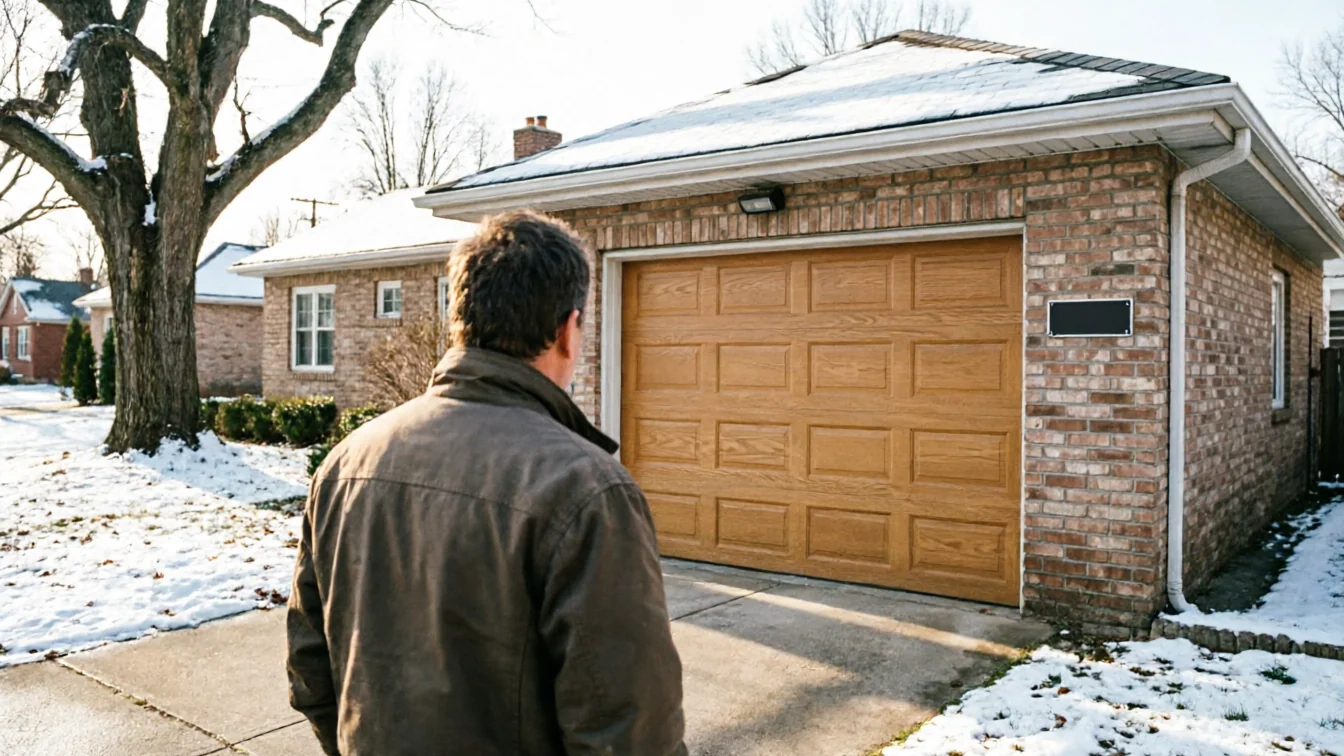
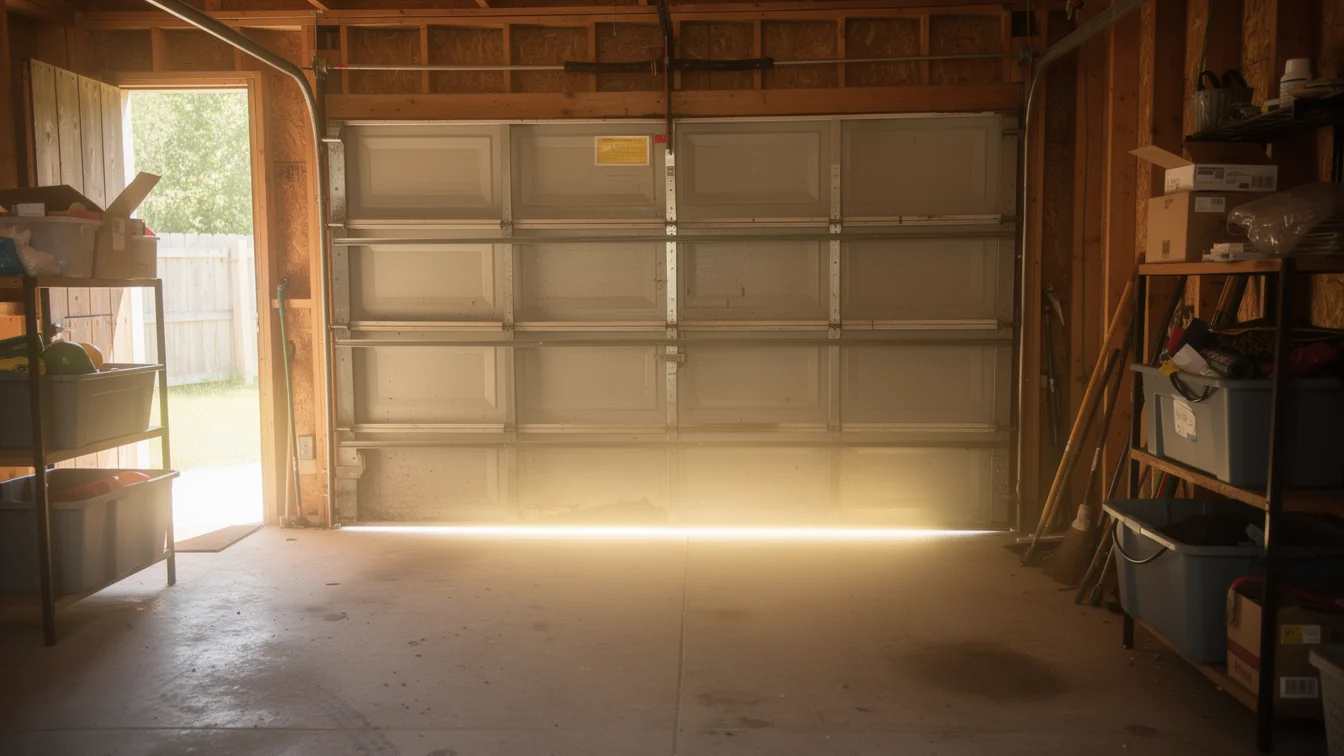
Most of the houses in this part of the market went up between 1938 and 1990, with the typical one built around 1957 - and that matters more for a garage door than people expect. A door and frame from that era were built for a climate that nobody back then was tracking with the same severity we see rated for this area now. Royal Oak sits in a cold climate band rated severe, which means real freeze-thaw cycling through the winter months, not just a few cold nights. That cycling is what kills a seal. Vinyl and rubber weatherstripping contracts hard in deep cold, and on a door frame that's been through 60-plus winters, the wood jamb has usually cupped or twisted a little at the base. The seal that was cut to fit a square opening in 1957 is now trying to seal a slightly out-of-square one. You feel that as a draught along the bottom corners first, then along one side as the door ages further. Across the roughly 45 older pockets that make up most of this service area, this is the single most common reason a homeowner calls about a "drafty garage" rather than a broken opener. The fix usually isn't the door - it's the seal and the track it rides in.
The area
Doing Nothing For Now
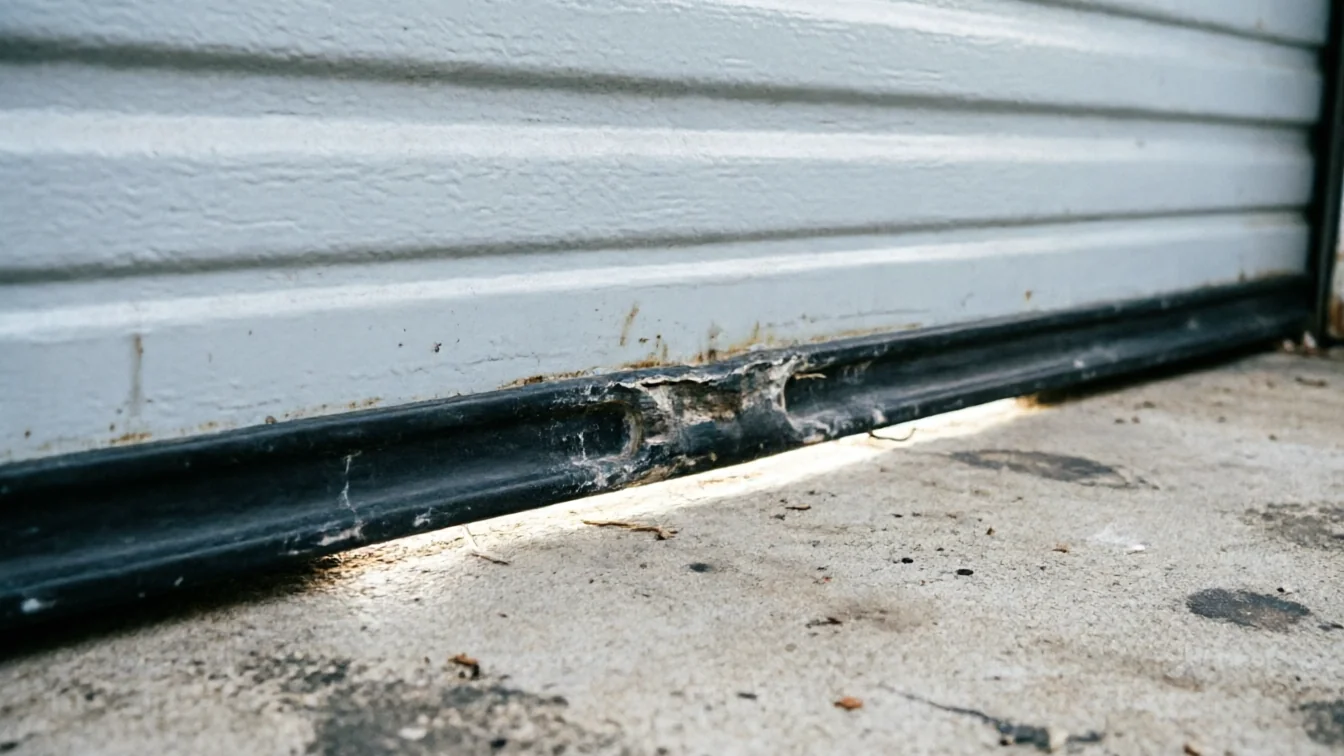
Here's the honest part: a draughty bottom seal on an attached garage that isn't heated doesn't need same-week attention. If the garage is unheated and nothing stored in there minds the cold, a gap along the bottom astragal is a comfort issue, not a structural one. It gets worse slowly, not suddenly - the rubber keeps hardening and cracking a bit more each winter, and the gap widens maybe a sixteenth of an inch a year as the frame keeps settling. Where it does matter is on houses in this older stock with an attached garage that shares a wall with living space, or where the garage houses water lines or a water heater, both common in homes from the 1950s. There, a growing draught is pulling cold air against a wall that was never built with this much of a gap in mind, and heating costs creep up before anyone traces it back to the garage door. We won't tell you to replace a door that's otherwise sound just because the bottom seal is cracked. Most of the time a seal and astragal swap handles it, and the rest of the door - torsion spring, track, rollers - can run fine for years longer if it's been maintained.
What we find
What You Pay
We don't have a flat number to give you here, and we're not going to invent one. What drives the cost on a seal job is mostly the size of the gap you're sealing and whether the track itself needs reseating along with the weatherstrip - on a house from the 1950s or 60s, it often does, because the jamb has moved enough that a stock seal won't sit flush without some adjustment. A straightforward bottom seal and astragal swap on a door that's still square is a small job. One where the frame has shifted, which is common enough in this older housing stock that we see it weekly, takes longer because we're correcting the opening as much as replacing the rubber. At a median household income of $70,185 across this market, most owners we talk to treat this as routine upkeep rather than a project to put off and save for - it's closer to a furnace filter than a roof. If your door needs more than a seal - if the panel itself is bowed or the bottom corner has rusted through - that's a different conversation, and we'll tell you straight when a seal job won't actually fix what's going on.
How we work
The Situation
With 158,601 owner-occupied houses across this service area and most of that stock dating to before 1960, the pattern we run into daily is consistent: original or early-replacement doors, steel frames that have shifted a little with 60-plus years of freeze and thaw, and weatherstripping that was never rated for a severe cold band to begin with. That's not a dramatic problem, but it's a real one, and it shows up as higher heating bills and a cold patch near the garage wall before most people think to blame the door. We work this area and the near side of it - Berkley, Huntington Woods, and the Oak Park and Ferndale side of things are all the same vintage of housing and see the same seal failures. If your door is from that original era and you're feeling a draught along the bottom or one side, it's worth a look before another winter does more work on the frame. We'd rather tell you it's a twenty-minute fix than sell you a door you don't need.
Talk to a local pro
Garage door trouble in Royal Oak?
Same-day service with honest, upfront quotes.