Local detail
How Local Conditions Play In
Most of the garage doors we open up in Royal Oak sit on houses built between 1938 and 1990, with the median home dating to 1957. That matters because a door from that era was almost never built for the openers and hardware people retrofit onto it later. We see original jambs that have shifted a half-inch out of square, track brackets lag-bolted into framing that's softened over sixty-plus winters, and springs sized for a lighter wood door now holding up a heavier steel replacement.
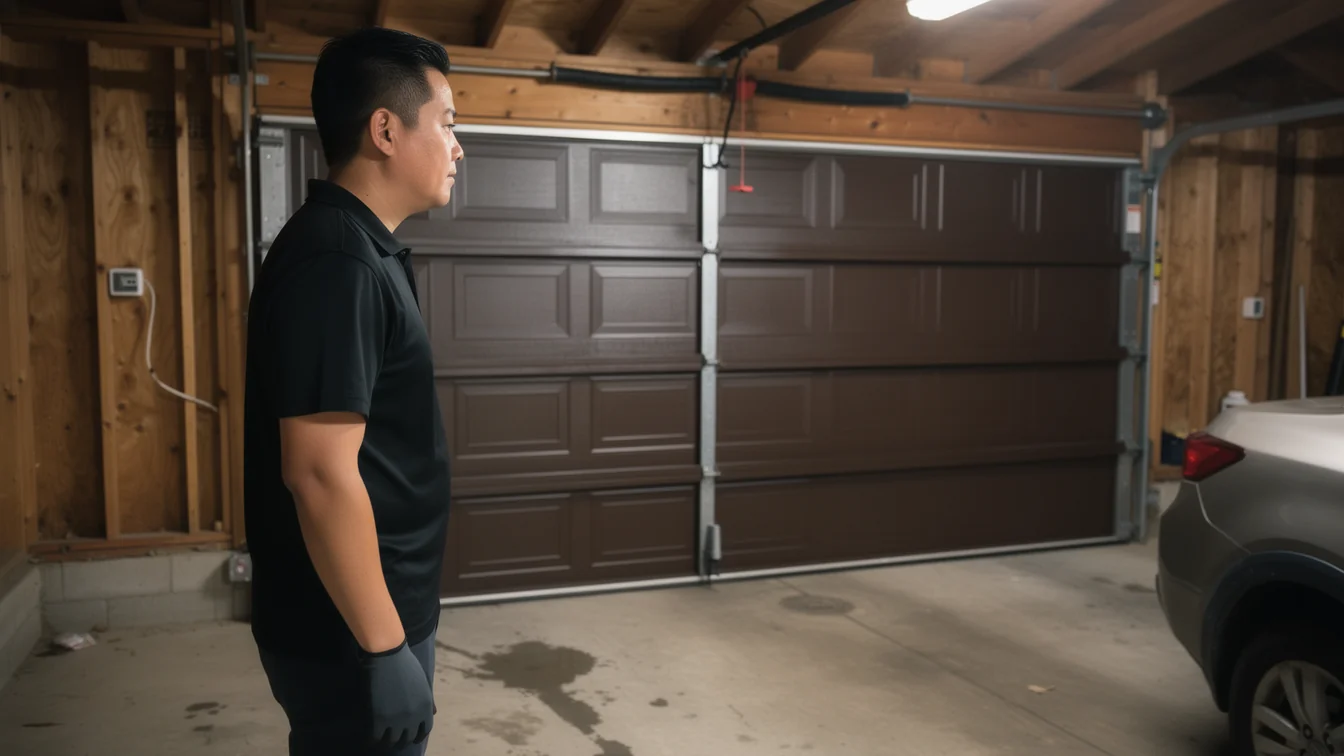
The cold is the other half of it. This area sits in a severe cold climate band, and that means real freeze-thaw cycling on the slab under the door, not just cold air. When the slab heaves even slightly, the door stops closing flush on one side, the weatherstrip tears, and the sensors read it as an obstruction. A service call out here almost always starts with a look at how the door is sitting in its frame before anyone touches the opener. On a newer build in a warmer region, that first step wouldn't matter nearly as much - here it's usually where the problem starts.
The area
Doing Nothing For Now
Not every noise or slow close needs a truck that week. If your door is from the newer end of the local range - closer to 1990 than 1957 - and it's just making a single click on cold mornings, that's often the steel contracting against the track, not a failure. We'll tell you to wait and watch rather than book a call we don't think earns its cost.
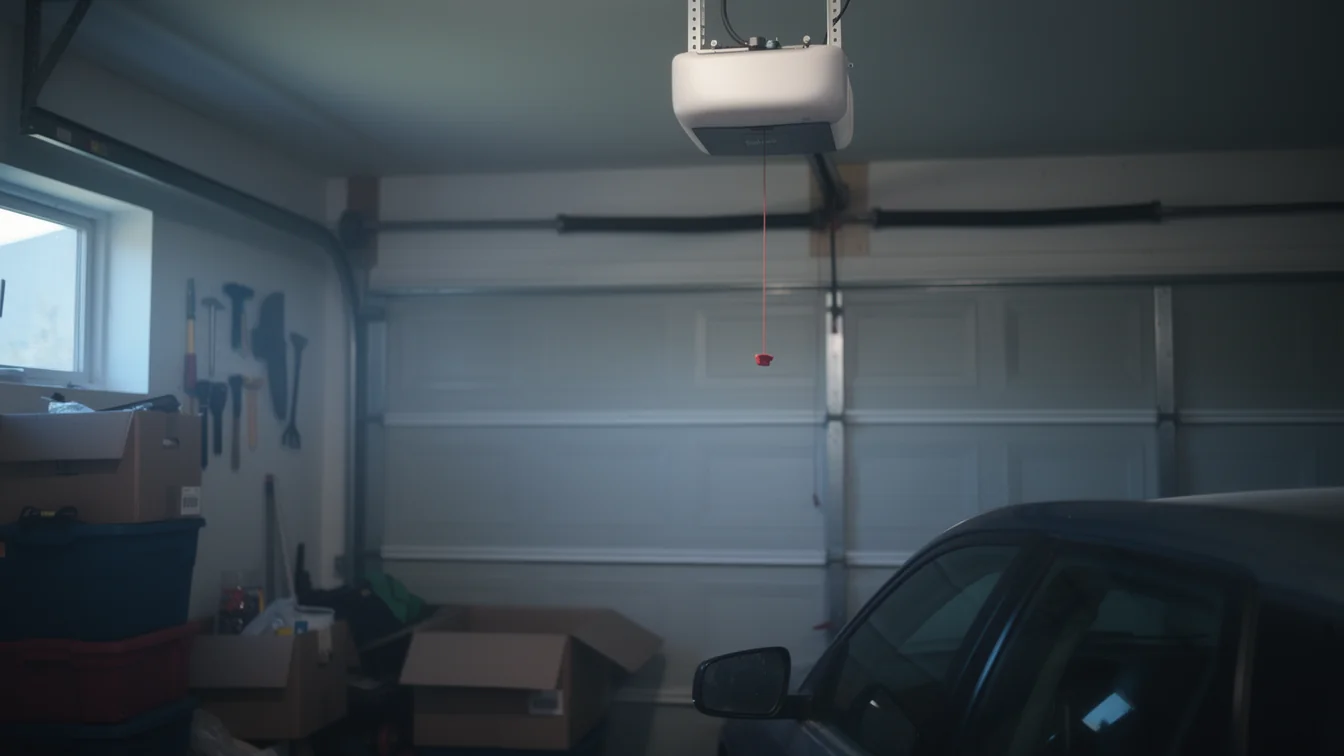
Where waiting gets expensive is a torsion spring that's already showing a gap in the coil, or a cable with visible fraying. Those don't improve with a Michigan winter sitting on top of them - they fail on the coldest morning of the year, usually when you're already late. If you're not sure which situation you're in, say what you're seeing when you call and we'll tell you honestly whether it's a watch-it item or a book-it item. We'd rather talk you out of a call than run one that didn't need to happen.
What we find
What You Pay
We don't publish a flat number here because what a call actually costs depends on what's on the door when we get there - and in a city where houses span five decades of garage door hardware, that varies more than people expect. A 1950s-era door on original hardware is a different job than a 2000s steel door with a newer opener bolted to the same jamb.
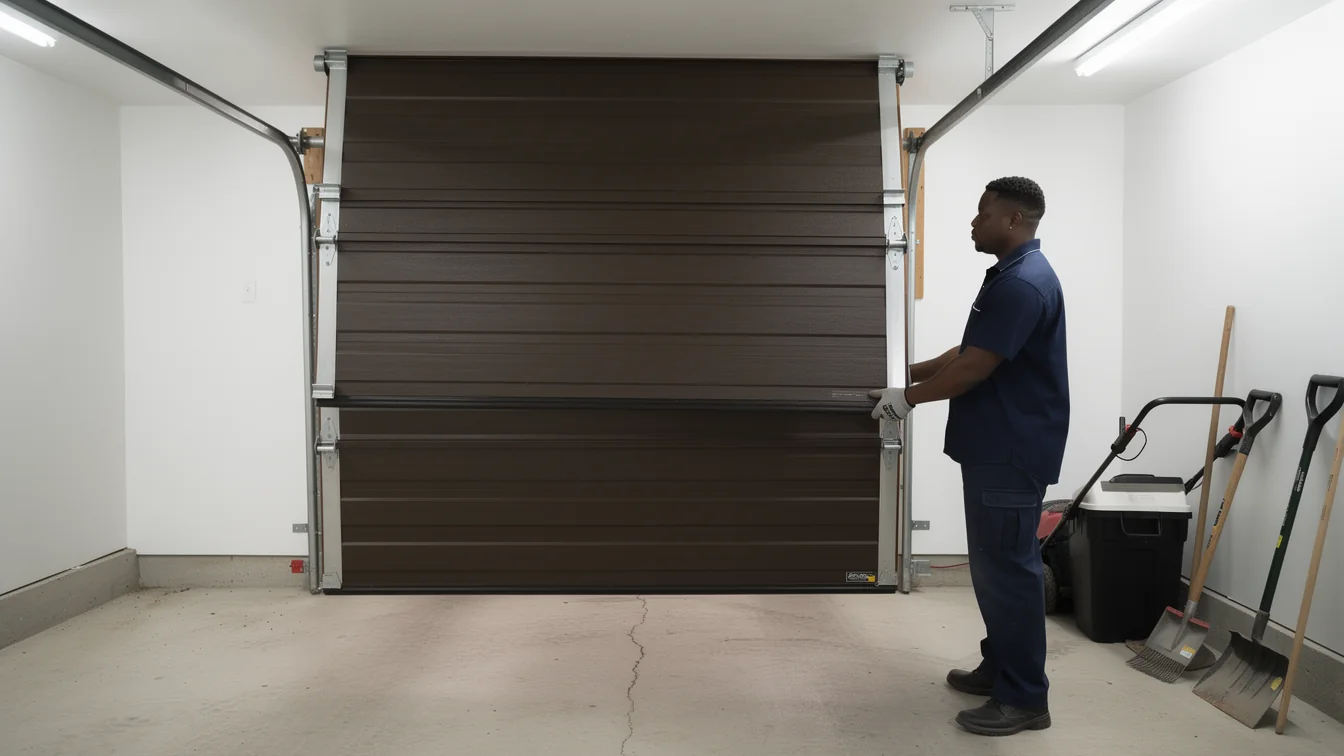
What we can tell you is how the visit is structured: a diagnostic look at the door and opener, the repair itself if it's something we can do on the spot, and a straight answer if the fix isn't worth doing - which does happen on older doors where the opener, track, and springs would all need replacing within a year of each other anyway. We'll say that plainly instead of patching a door that's done.
How we work
The Situation
Royal Oak sits in a tight cluster of older, built-out suburbs - Berkley and Huntington Woods are two miles out, Pleasant Ridge and Oak Park about three, Ferndale and Birmingham a few miles further. Across the broader service area there are roughly 288,119 households and 158,601 owner-occupied houses, and the median household income runs around $70,185 - numbers that tell you most of what we're working on is owner-maintained housing stock, not new construction with warranty coverage still active.
What that means in practice: a lot of the doors we see have had one owner, sometimes two, and whatever repairs got done were done to keep the door running rather than to bring it up to current hardware standards. Pre-1960 construction makes up the bulk of what's on the ground across the area's named neighborhoods, so a service call here is as often about matching old hardware correctly as it is about fixing the actual break.
Talk to a local pro
Garage door trouble in Royal Oak?
Same-day service with honest, upfront quotes.