Local detail
How Local Conditions Play In
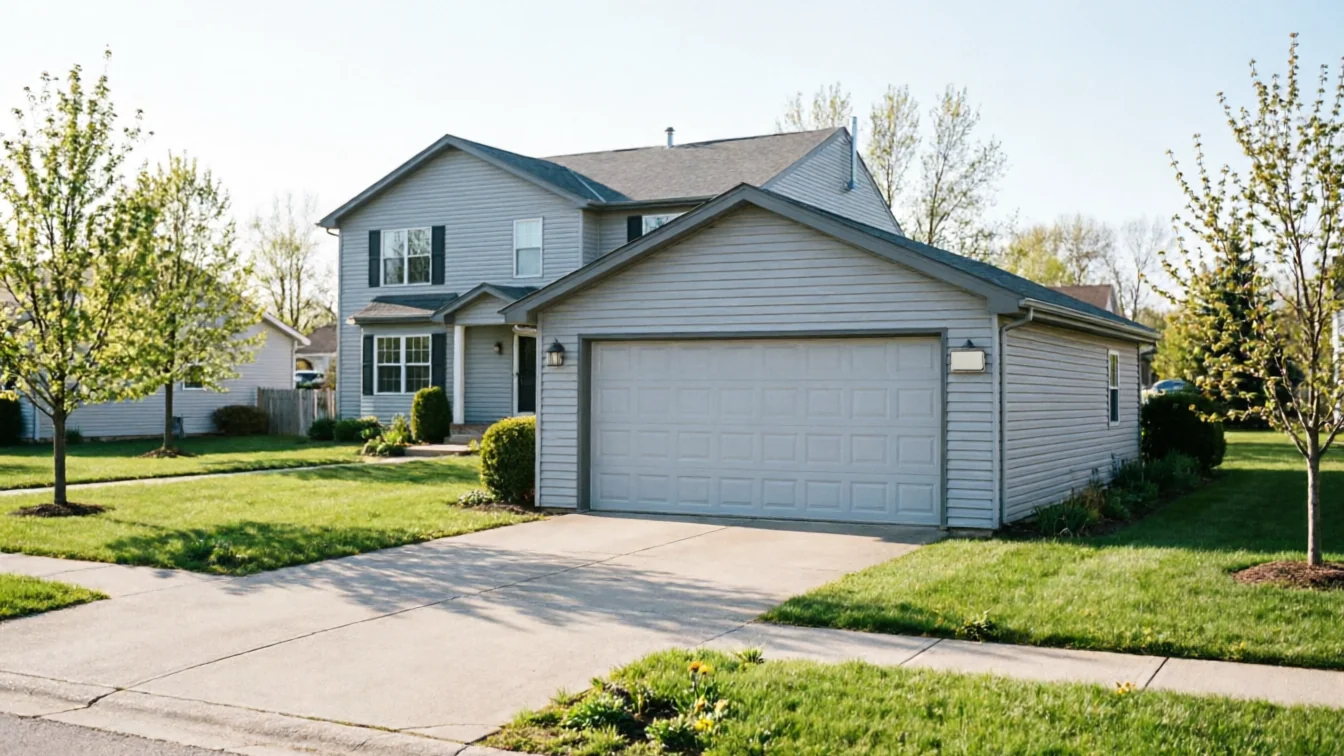
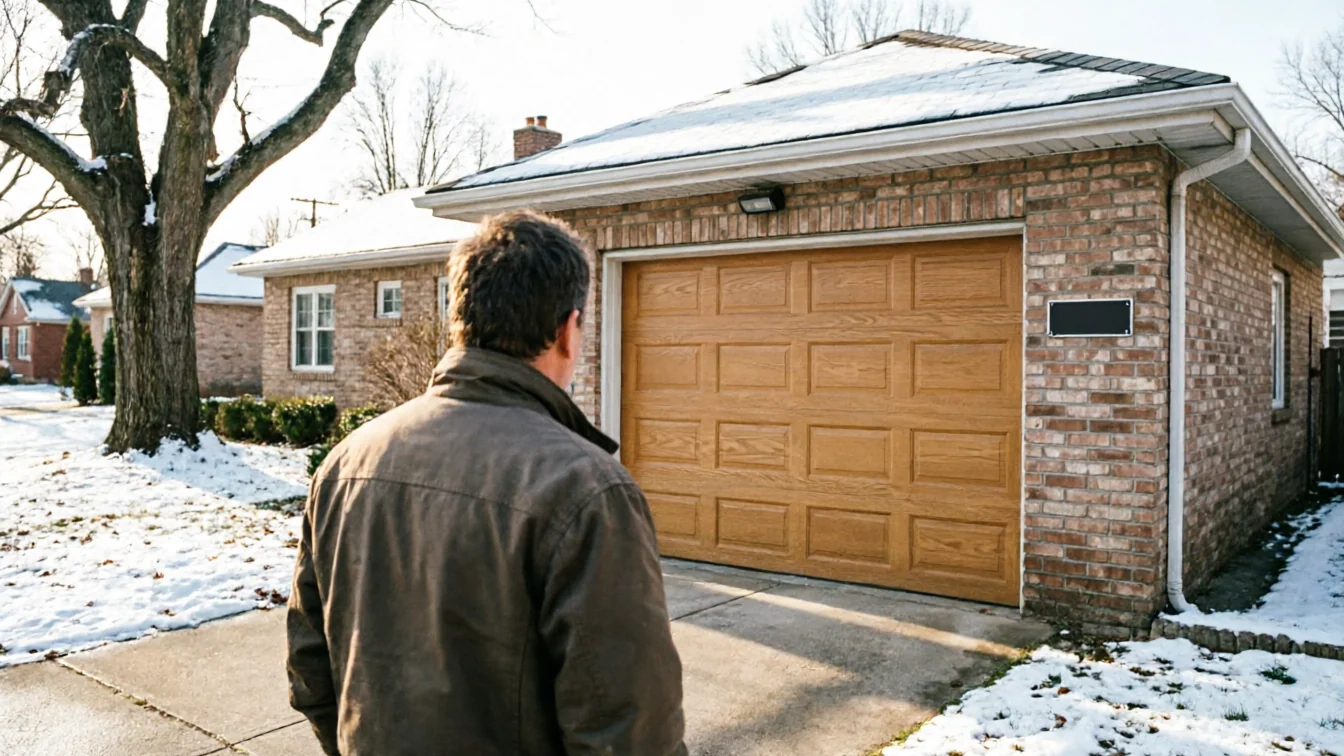
Royal Oak's housing stock runs mostly 1938 to 1990, with a median build year of 1957, and that one number shapes almost every replacement job we look at. A door going into a house from that era usually means a narrower opening than modern track systems assume, a header that wasn't framed with insulation in mind, and hardware mounts that were never meant to carry a heavier insulated panel. Across the 45 named areas we work in - this stretch of southeast Michigan, from Berkley and Huntington Woods a couple miles off to Birmingham, Ferndale, and out past Royal Oak proper toward Rochester and Utica - the same pre-1960 pattern repeats. That matters because the climate here is classified cold-severe, which means the door you pick has to handle real freeze-thaw cycling, not just look good in a showroom. A single-layer steel door that was fine in 1962 is a liability now: it transmits cold straight into an attached garage, and in a lot of these houses that garage wall backs onto a mudroom or laundry, not just a car. When we measure for a replacement, the first thing we check isn't the door - it's whether the original framing can take a modern R-value panel without new jamb work.
The area
Doing Nothing For Now
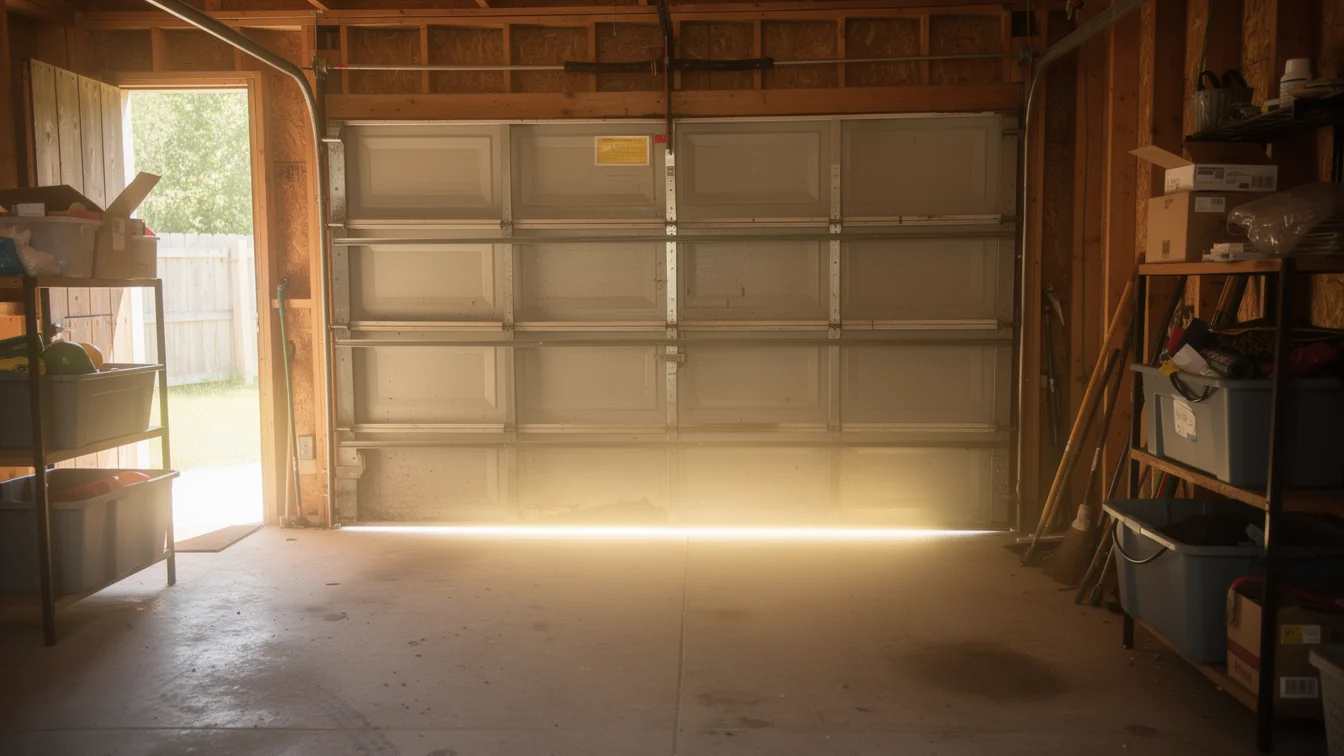
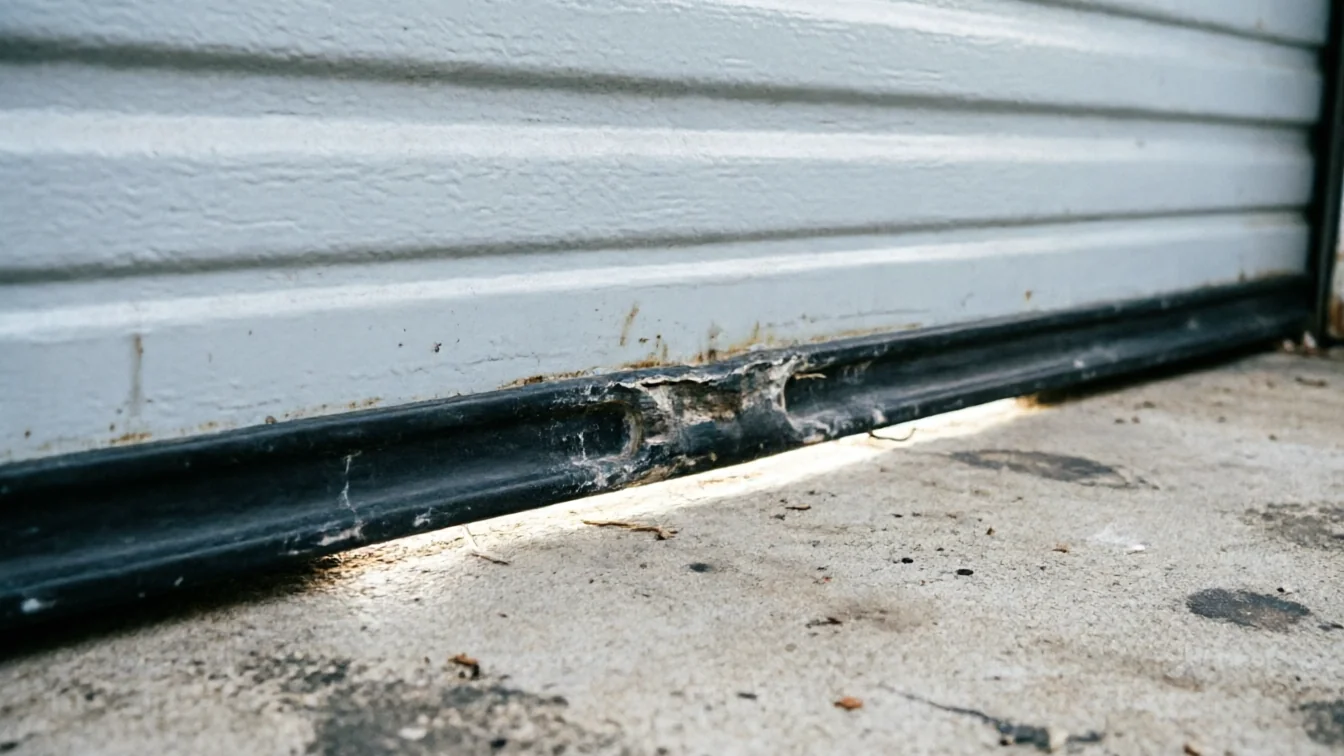
Not every door that's showing its age needs to come out this year. If the panels are straight, the springs are matched to the door's weight, and the opener still reverses properly on contact, you can often get more years out of an older door than people expect - plenty of the 1950s and 60s doors in this area are still running on original track with newer openers bolted on. The honest limit is cold: once a steel door starts to show rust bleed at the bottom panel or the weatherstrip has compressed flat, a cold-severe winter will find every gap. That's not a reason to panic into a replacement, but it is a reason to stop patching and start pricing. Waiting usually costs you in comfort before it costs you in function - a worn seal doesn't fail outright, it just lets the garage track outdoor temperature more closely, which shows up as a colder wall in the room next to it. If you're not feeling that yet, there's no rush. If you are, that's the signal, not a cracked panel.
What we find
What You Pay
We don't have a flat number to hand you here because the range on a replacement swings hard depending on opening size, insulation level, and whether the jamb needs rework to take a modern door - and in a city built mostly before 1960, that jamb work comes up more often than not. What we can tell you is how the area factors in: median household income here is $70,185 across 288,119 households, with 158,601 of those owner-occupied, which is the kind of market where mid-range insulated steel doors are the common choice rather than the premium wood-composite end of the lineup. We'll give you a real number after we've measured the opening and looked at the header - not before. Anyone quoting a price over the phone without seeing the garage is guessing, and on a house this old, guessing is how you end up paying twice.
How we work
The Situation
If you're within a few miles of Royal Oak - Berkley, Pleasant Ridge, Oak Park, Huntington Woods, that inner ring - you're almost certainly dealing with the same housing-era constraints we see on every call: openings sized for doors that predate current insulation standards, and a cold-severe climate that punishes any gap in the seal. Replacing a door here isn't just picking a panel style off a rack. It's matching a new door to framing that's sixty-plus years old in a lot of cases, in a climate that doesn't forgive a bad fit. We'll walk the opening with you, tell you straight if the jamb needs attention before a new door goes in, and quote accordingly.
Talk to a local pro
Garage door trouble in Royal Oak?
Same-day service with honest, upfront quotes.