Local detail
How Local Conditions Play In
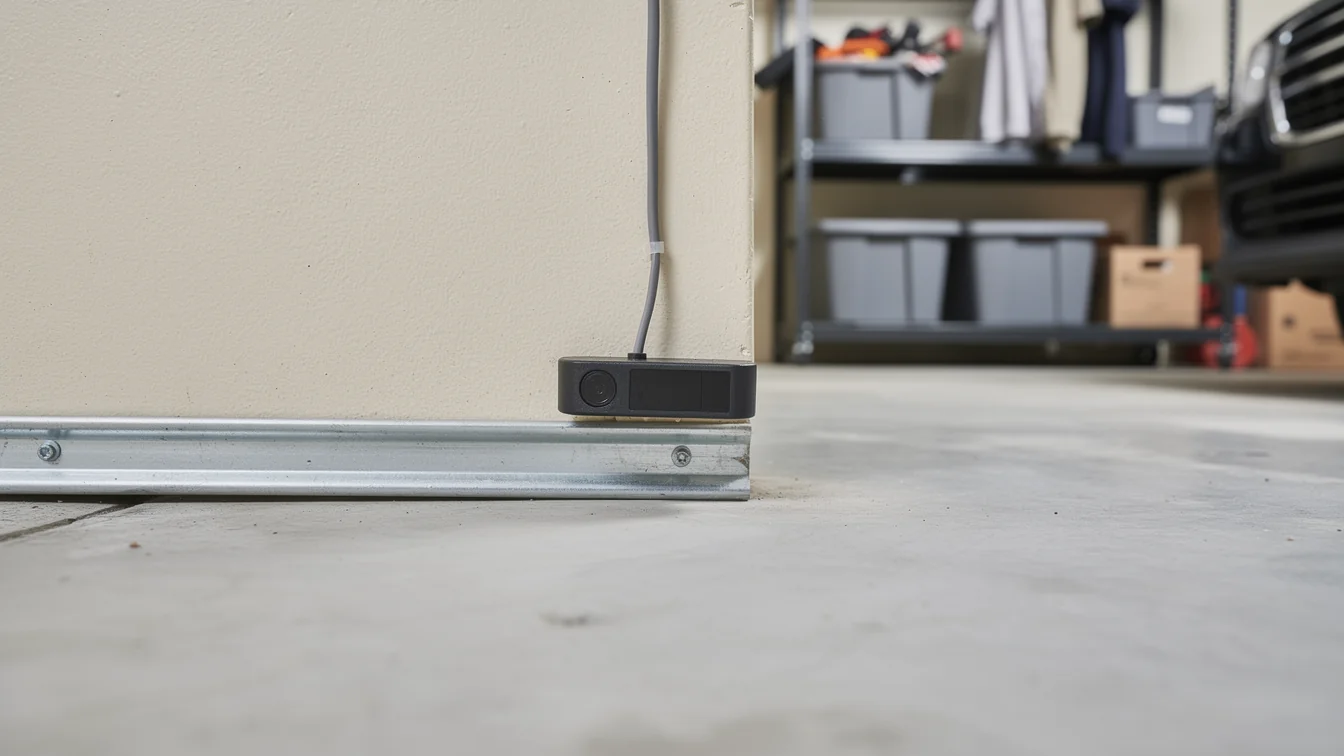
Royal Oak's housing stock runs mostly 1938 through 1990, with a median build year of 1957. That matters more than people think, because the federal rule requiring photo-eye safety sensors on garage door openers didn't exist until 1993. A house built in 1957 didn't come with sensors. They got added later, as a retrofit kit bolted to whatever door jamb or wall stud was standing at the time, usually when the opener itself got replaced. Across the pre-1960 stock that makes up most of this service area, that retrofit pattern repeats house after house.
Then there's the climate. Royal Oak sits in a cold, severe winter band, and that means real freeze-thaw cycles every year - ground heaves, slabs shift fractions of an inch, wood jambs swell and shrink with humidity swings. A sensor bracket mounted to a jamb that moves even a little will slowly walk out of alignment. It doesn't take a storm or a collision. It takes a normal Michigan winter repeated across a house that's been standing since Eisenhower was president.
That's the core of it: older framing plus serious seasonal movement equals brackets that don't stay where they were set.
The area
Doing Nothing For Now
A drifting sensor doesn't always announce itself. Sometimes the door just starts reversing for no obvious reason - it's partway down and shoots back up. Sometimes the opposite happens: the beam is misaligned enough that the opener's logic board stops trusting it, and some openers will refuse to close the door at all rather than run without a working safety circuit. Either way, you're not imagining it.
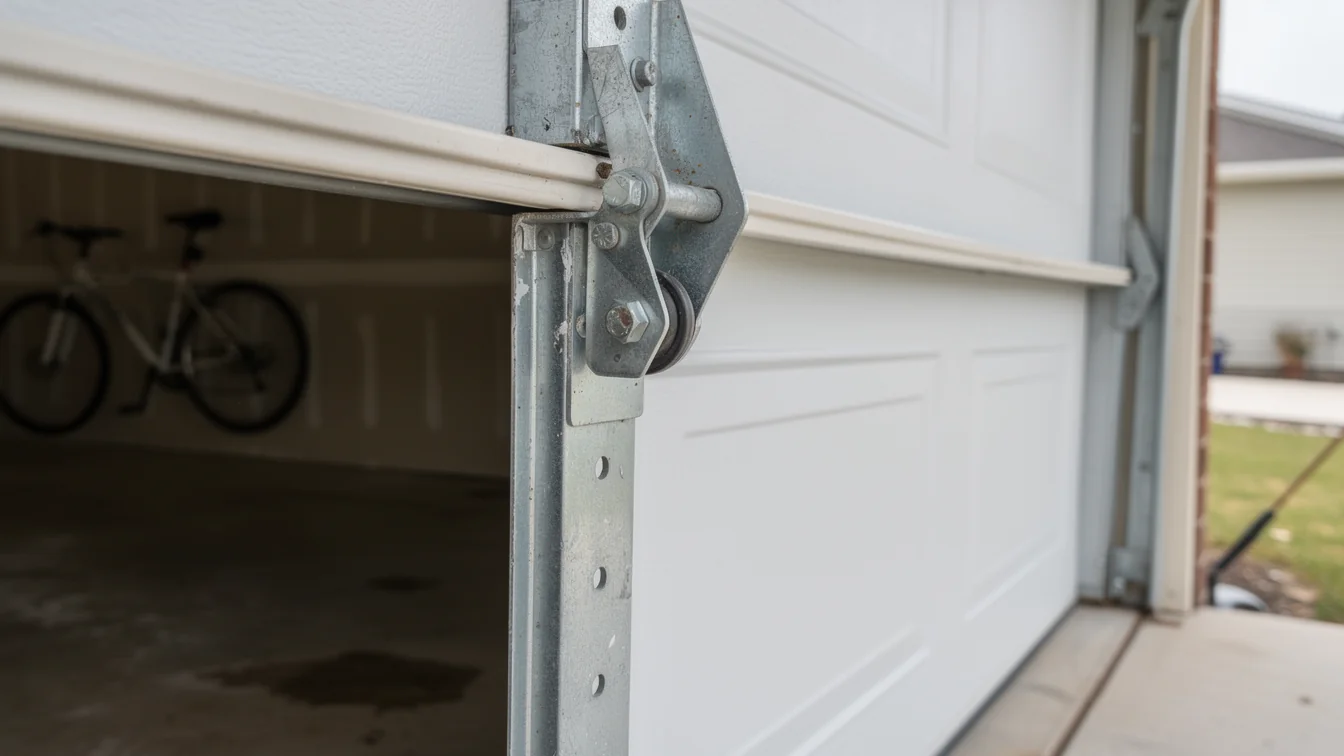
The risk of ignoring it isn't cosmetic. Those sensors exist so the door won't close on a kid, a pet, or a bike left in the path. If a sensor has drifted far enough that it's giving false readings, you don't actually know whether it would catch an obstruction when it matters. In a lot of the pre-1960 homes around here, the bracket is mounted to original wood trim that's seen seventy-plus winters of movement - it's worth checking rather than assuming it's fine because the door still opens and closes most of the time.
We'll say plainly: we can't tell you over the phone whether your issue is a sensor out of alignment or something else entirely, like a failing logic board. Sometimes it looks identical from the symptoms alone, and that's a call we make in person.
What we find
What You Pay
We don't have a flat number to put here, and we're not going to make one up. What drives the cost on a sensor call is usually whether it's a straight realignment - loosening the bracket, resetting the beam, tightening it back down - or whether the wiring itself has degraded, which is more common in garages that have had the sensors in place since an older opener swap decades back. Corroded or chewed wire runs cost more to chase down than a bracket that's simply shifted.
If your garage is on the older end of Royal Oak's housing stock and the sensors look like an add-on rather than something that matches the opener's original mounting, that's usually a sign the wiring run is older too, and worth having looked at before it fails outright in January rather than on a mild afternoon.
We're upfront that we can't quote a number without seeing the setup. Anyone who gives you a firm price over the phone for a sensor issue is guessing the same way we'd be guessing.
How we work
The Situation
Put together, this is a specific local problem, not a generic one. Royal Oak's housing dates mostly to a build era that predates mandatory safety sensors by decades, which means the sensors on a large share of garages here are retrofits, not original equipment, mounted to framing that's moved through seventy-plus winters of the freeze-thaw cycle that comes with a severe cold climate. That combination is why we see drifted sensors as a recurring call, not an occasional one, across the service area.
It's not just a Royal Oak city-limits thing either. The same pre-1960, retrofit-sensor pattern shows up in the neighboring areas we also work in, from Berkley and Huntington Woods a couple miles out to Pleasant Ridge, Oak Park, and Ferndale a bit further - all part of a service area with close to 290,000 households and a housing stock built on the same general timeline. If your garage fits that description, the sensor issue you're seeing probably isn't a one-off defect. It's what happens to a bracket that old in a winter like this one.
Talk to a local pro
Garage door trouble in Royal Oak?
Same-day service with honest, upfront quotes.