
Shifted wood jambs
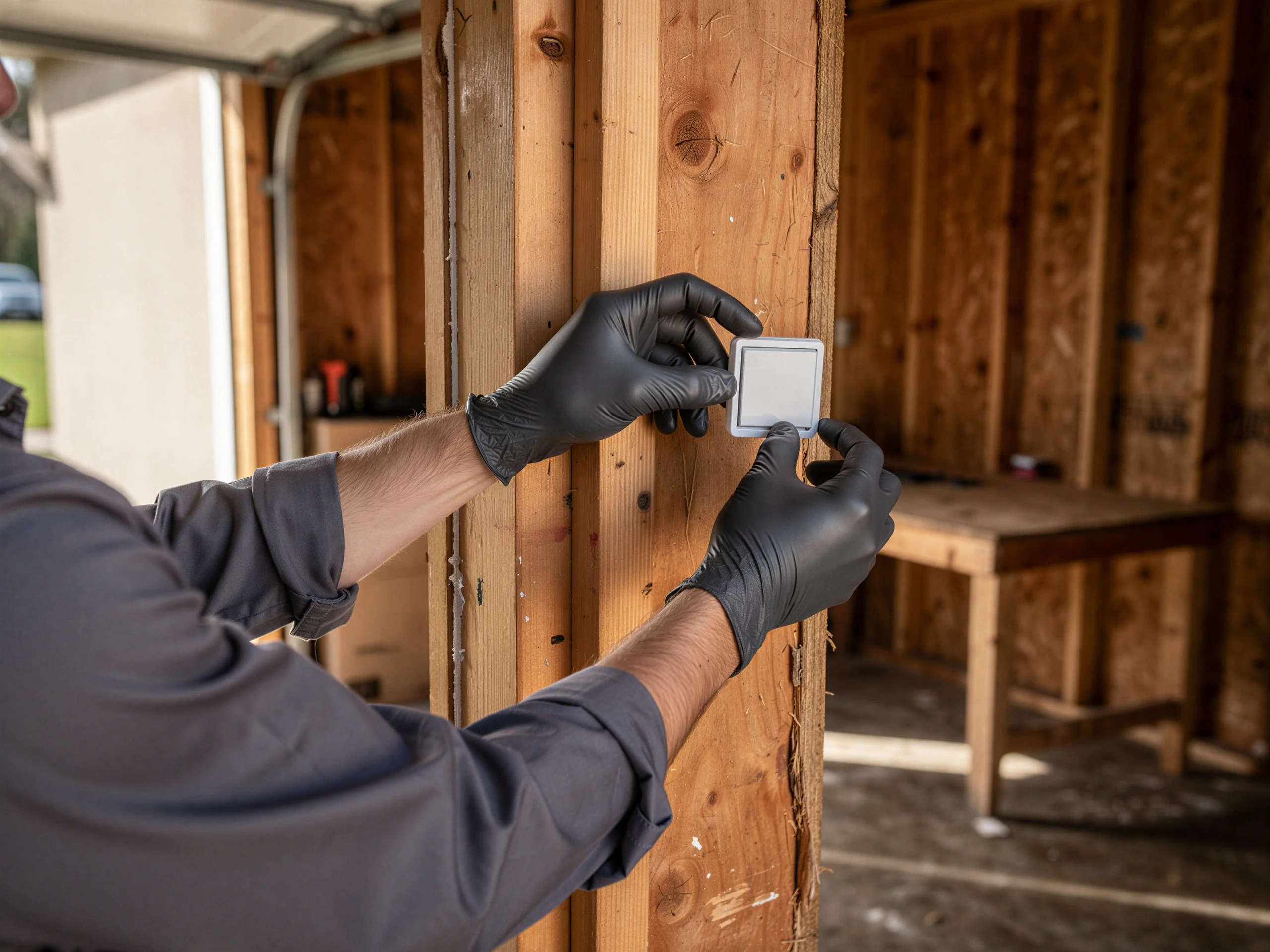
With 13,685 households built in a tight window, we also run into a lot of original wood jambs that have shifted slightly over six decades, which throws off door alignment even when the door itself is fine.
Madison Heights, Royal Oak MI
Garage door repair for Madison Heights, MI, 3 miles from our Royal Oak shop. Built mostly around 1960, this area's doors and springs wear in specific ways.
What we do here
Local housing
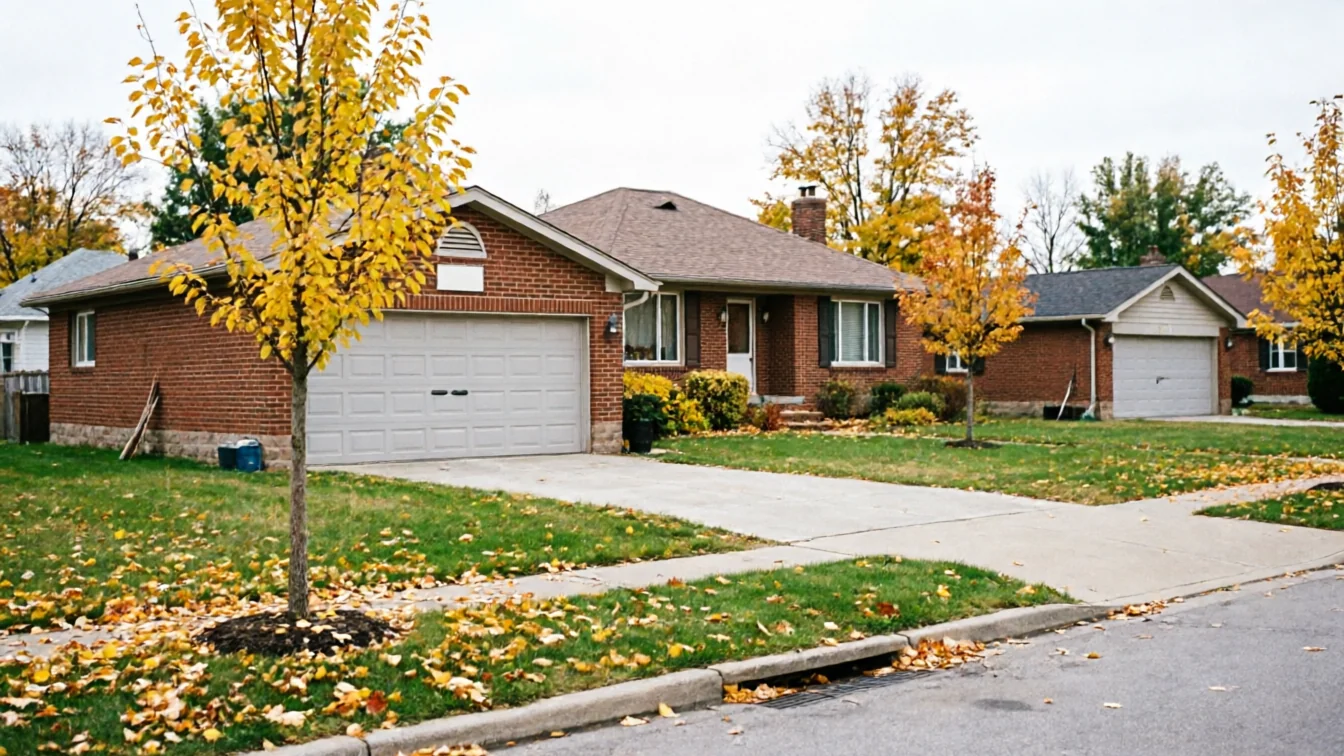
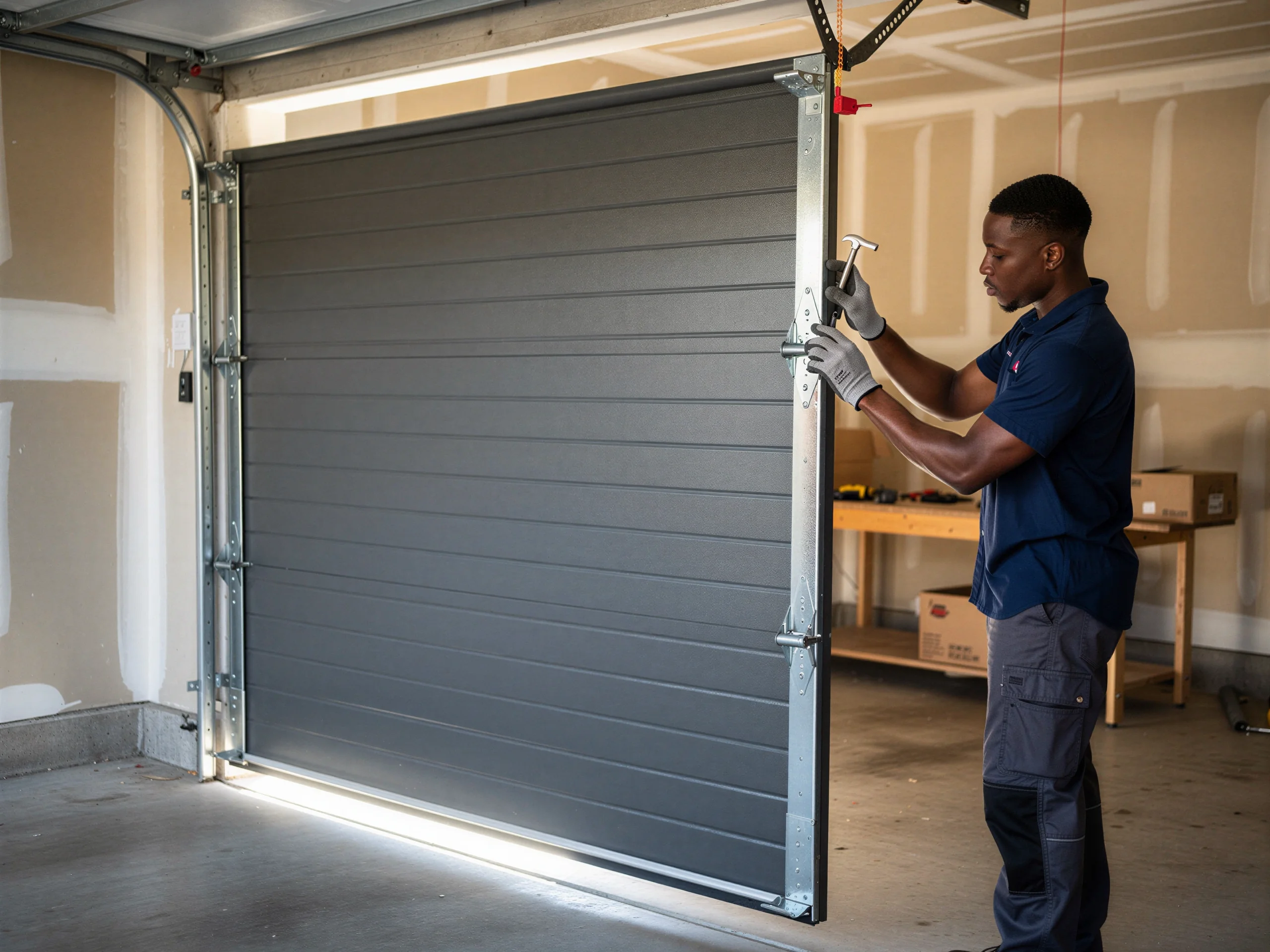
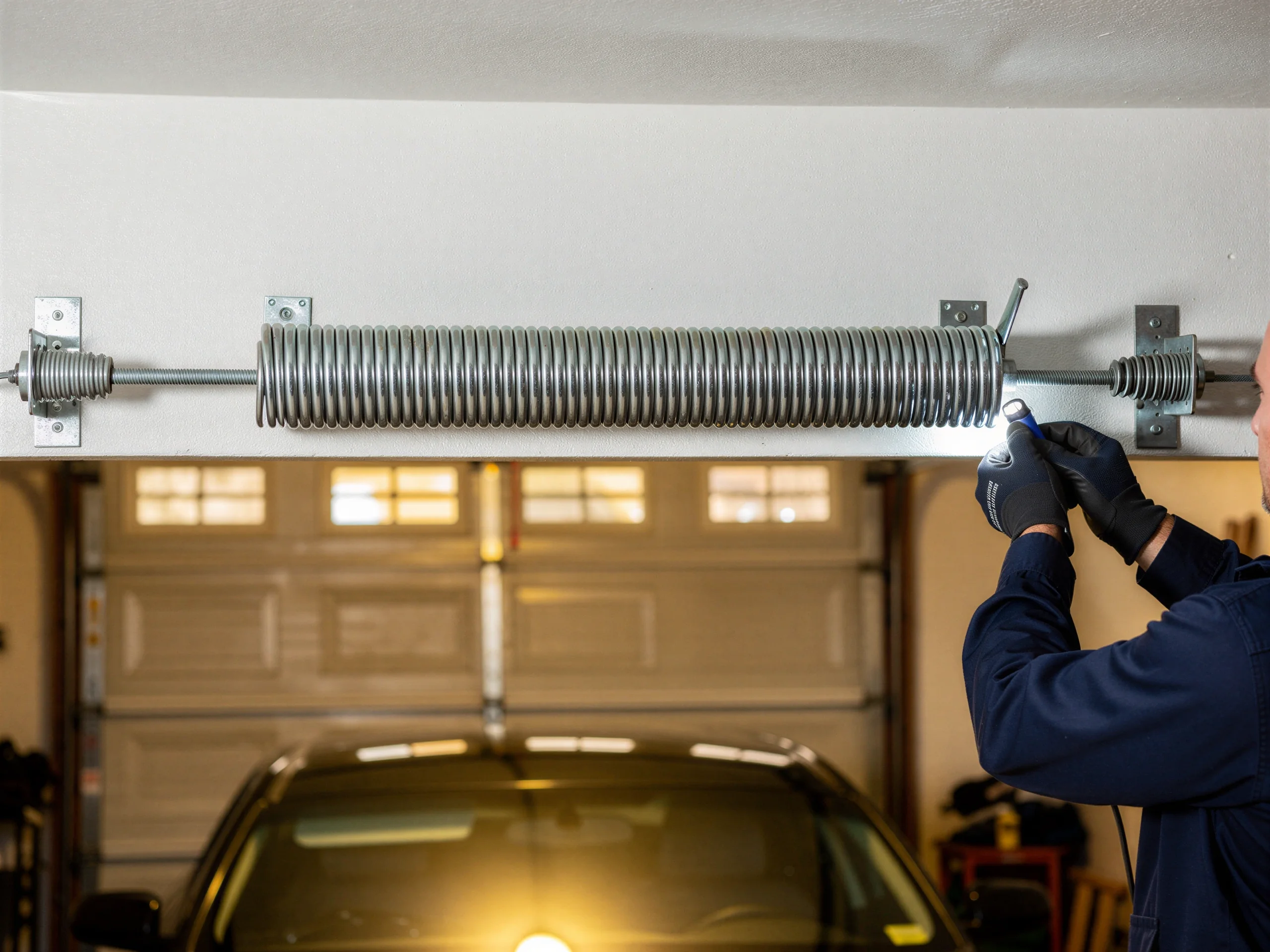
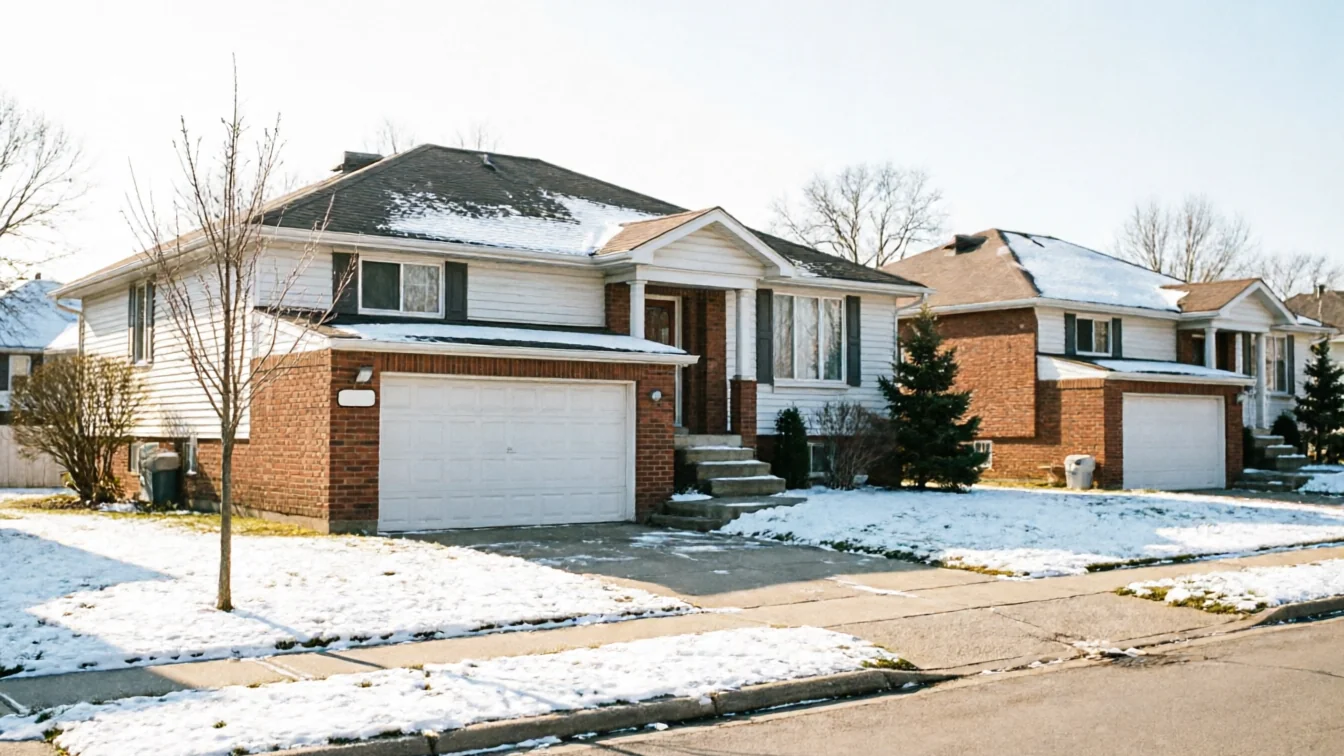
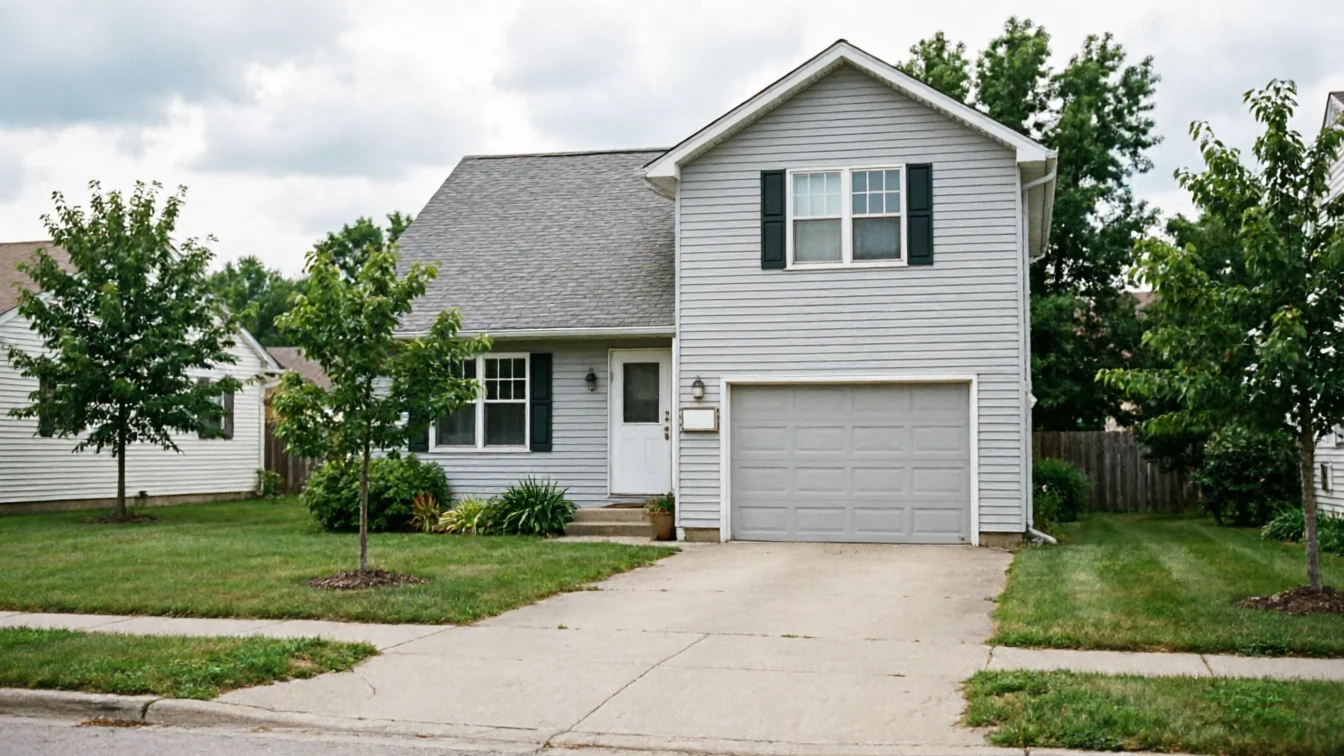
Madison Heights sits about 3 miles from our shop in Royal Oak, and the housing stock here centers on 1960, a little newer than some of the pre-1940s pockets elsewhere in the wider service area but still well into the era of steel sectional doors and early extension-spring setups. With roughly 13,685 households in the area, a lot of these homes went up in the same short building boom, which means a lot of garages got the same door, the same track width, and the same hardware from the same few manufacturers active at the time. That's useful to us on a call - it narrows down what we're likely looking at before we even open the panel. Median household income here runs about $66,726, a bit under the wider area's $70,185, which we mention because it shapes the kind of repair conversation we have: more owners here want the door fixed and kept running rather than replaced outright, and that's usually the right call on a door from this era if the track and opener are sound. The honest limitation: if your springs or rollers were swapped out more recently by a previous owner, none of this history tells us much - we still have to look at what's actually hanging in your garage.
Door impact
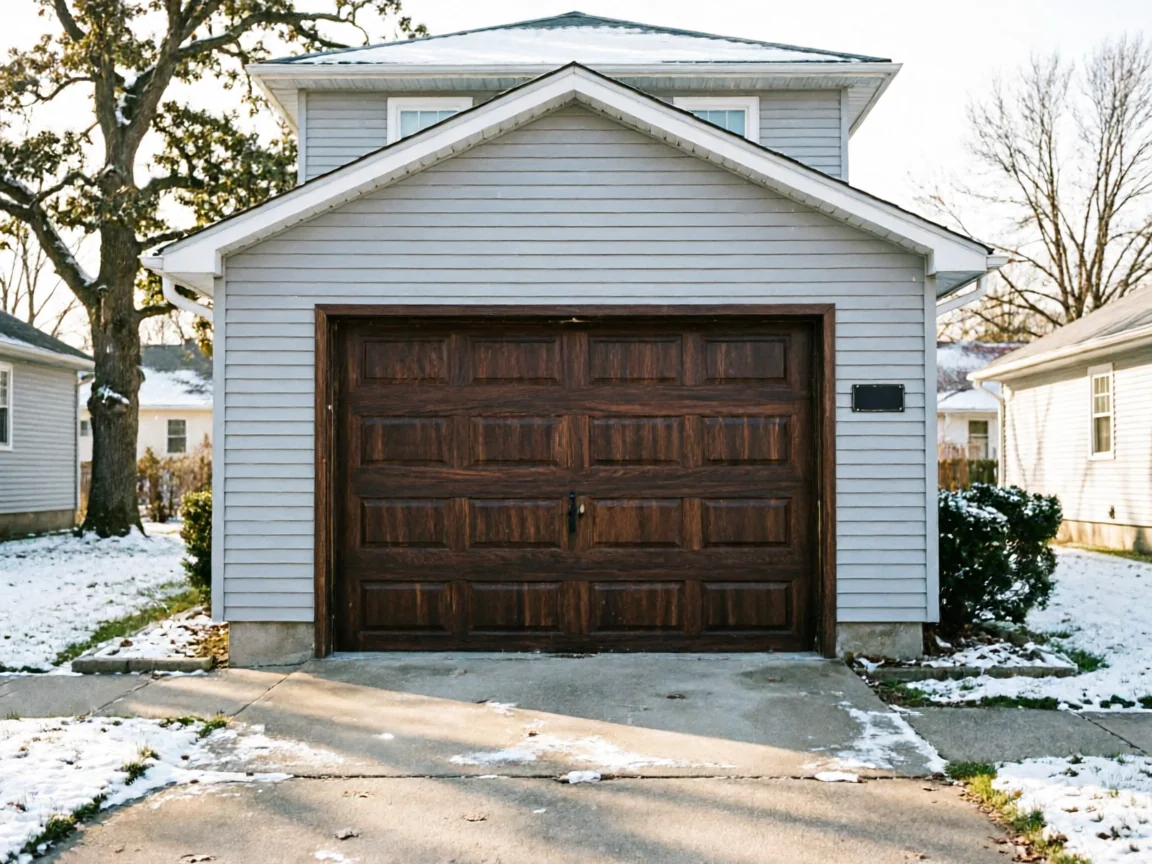
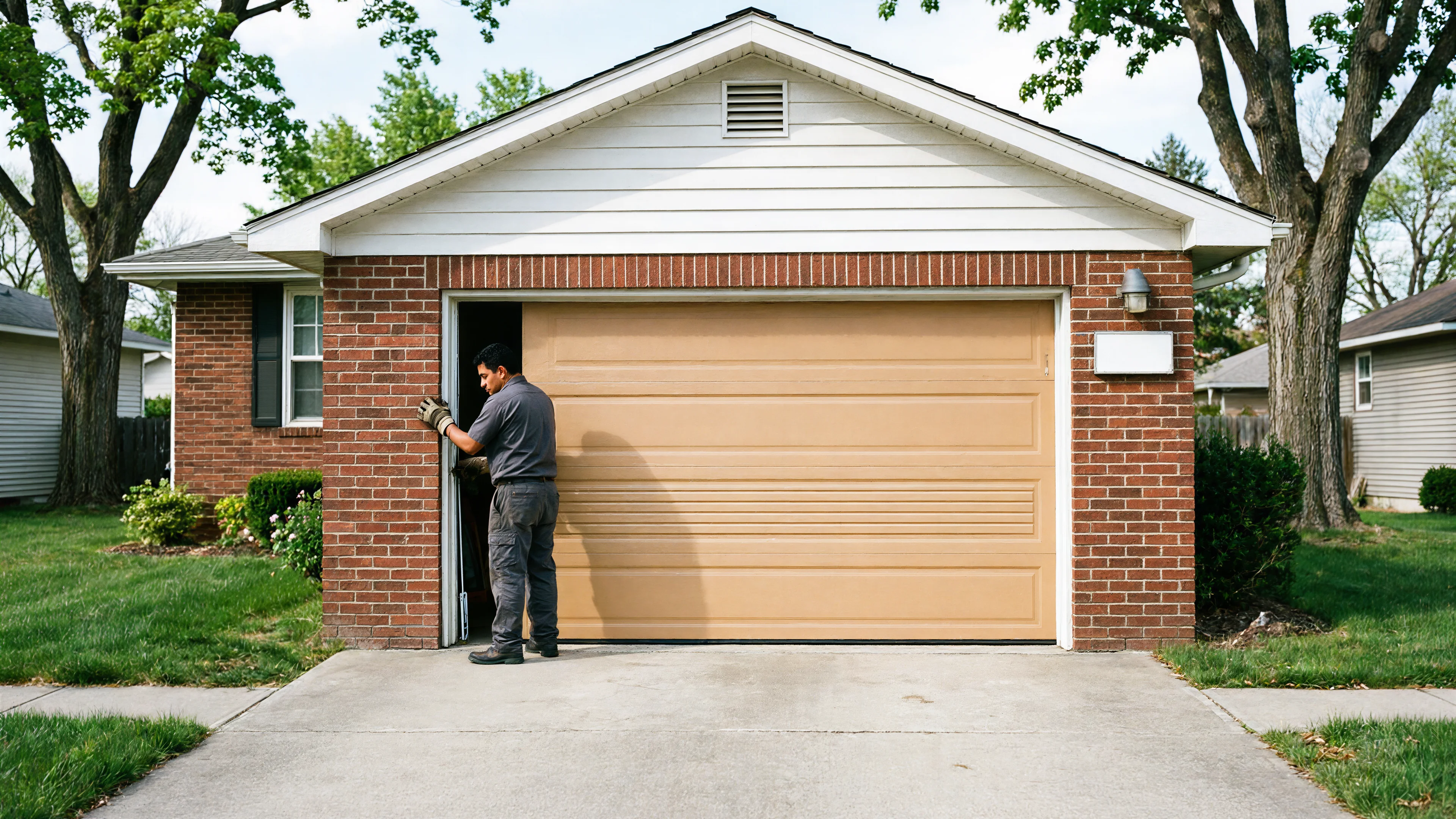
A door installed around 1960 was built for a Michigan winter, but the materials and hardware of that period weren't engineered for 60-plus years of freeze-thaw cycling. In a COLD severe climate band like this one, steel panels from that era tend to show rust at the bottom corners first, where snowmelt sits against untreated seams, and the extension springs common to the period lose tension faster in deep cold than the torsion springs that became standard later. Tracks installed in 1960 are also narrower than current code calls for, which matters if a homeowner wants to upgrade to a heavier insulated door - the existing track and opener bracket usually can't just be reused. We see a fair number of garages here where the door has been replaced once already but the original torsion hardware or header bracket from 1960 is still in place, holding a door it was never sized for. That mismatch is worth flagging before anyone assumes a quick panel swap will solve a balance problem.
Common jobs
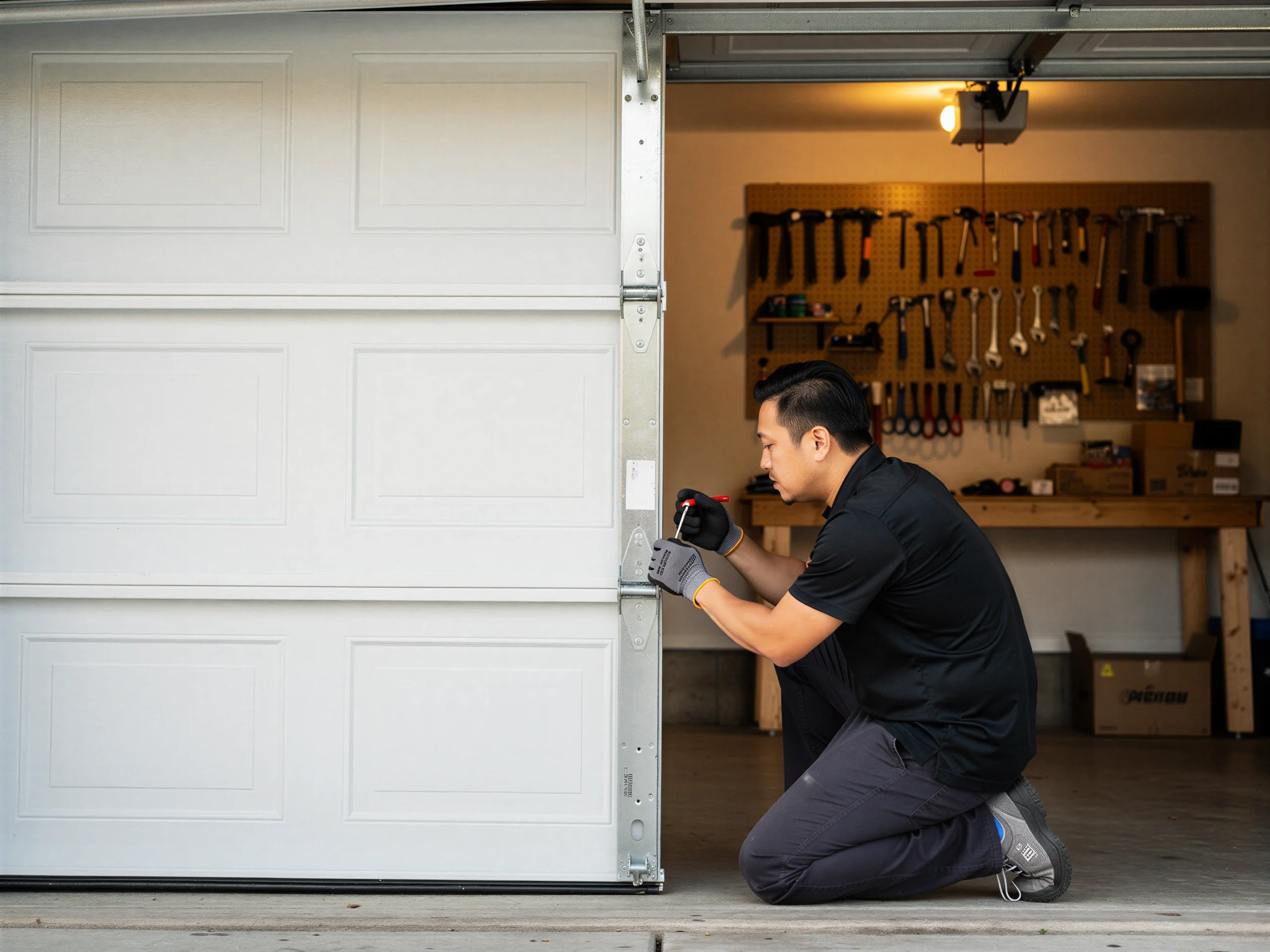
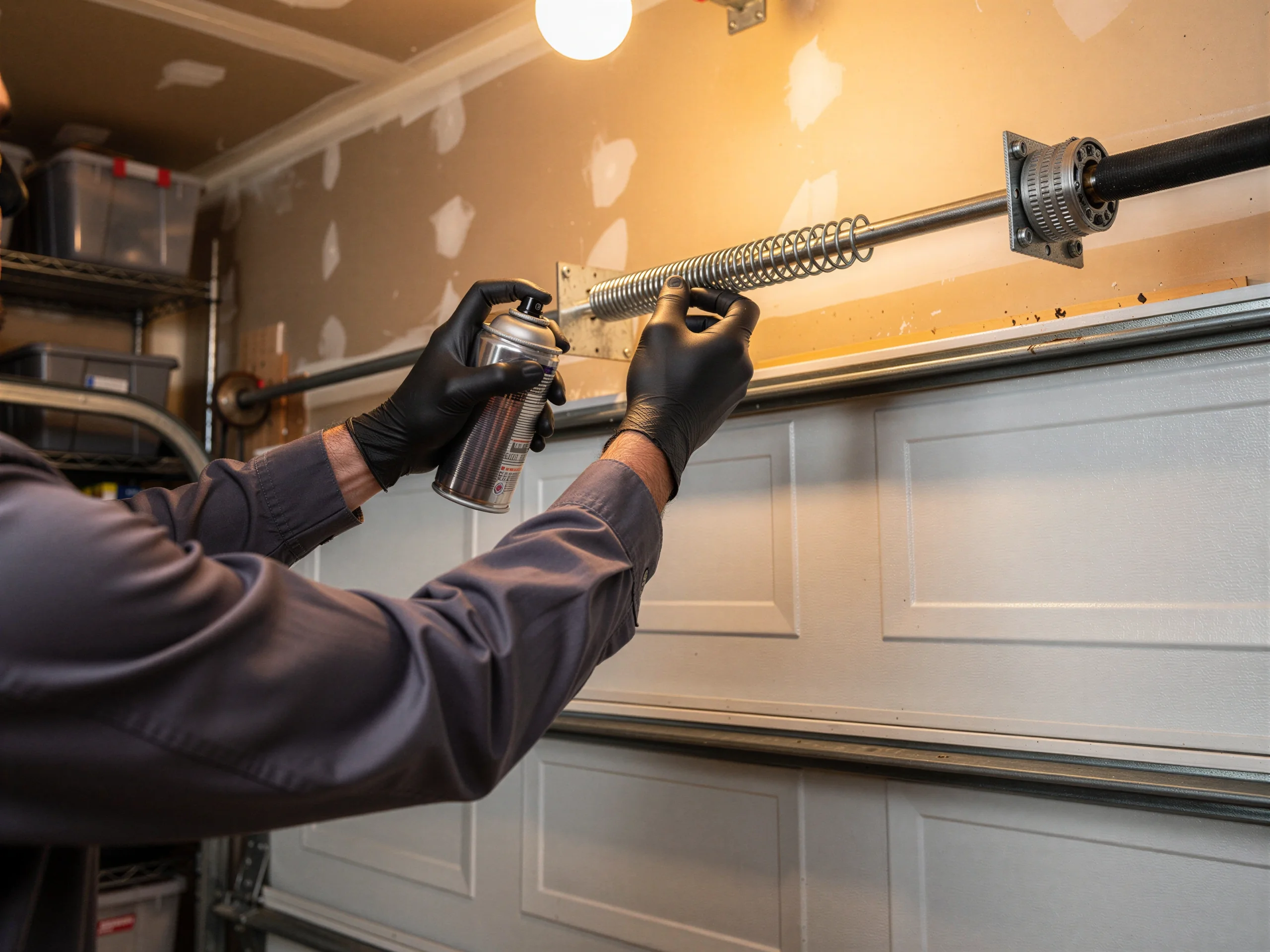
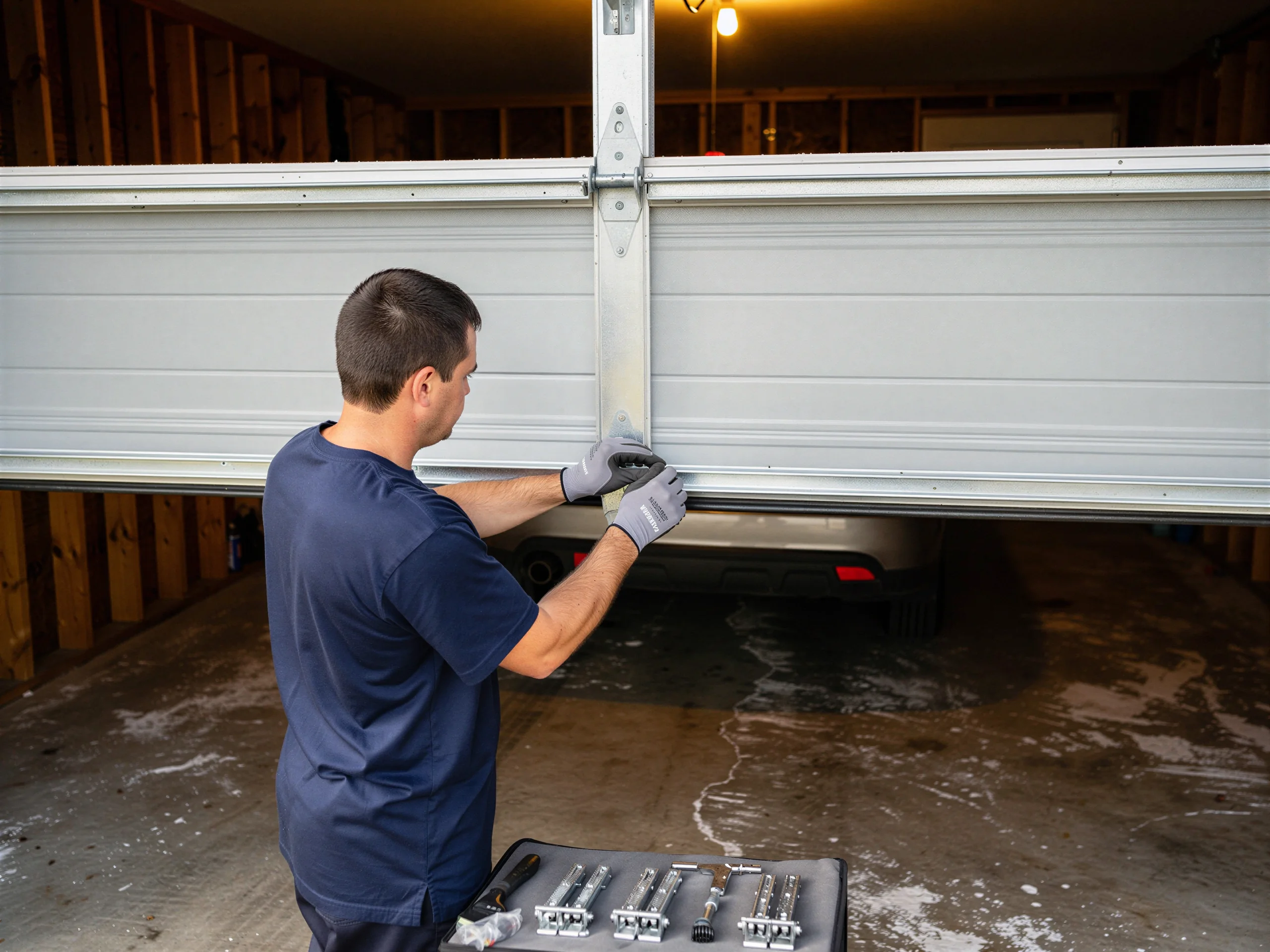
The calls we get from this part of the coverage area skew toward the hardware you'd expect from 1960-era construction: broken extension springs rather than torsion springs, worn pulley-and-cable setups that were never upgraded to safety cables, and single-layer steel doors that have started to oil-can or sag along the bottom panel.
With 13,685 households built in a tight window, we also run into a lot of original wood jambs that have shifted slightly over six decades, which throws off door alignment even when the door itself is fine.
Opener replacements are common too - a lot of these garages got their first chain-drive opener as an add-on well after the house was built, and that unit is often original to the install, not to the house.
We don't recommend patching a cracked wood jamb and calling it done if the frame is actually out of square; that's a case where the repair won't hold, and we'll say so.
Typical calls
Most calls start the same way: the door won't open, or it opens partway and stops. On a 1960-vintage door that usually traces back to an extension spring that's finally given out after years of cold-weather cycling, or a cable that's frayed where it wraps the drum.
We also hear from owners whose door is loud - a grinding or popping sound on the way up - which on this era of hardware is often a dry or worn roller track rather than anything wrong with the opener itself.
A smaller number of calls come from people who've just bought one of these houses and want the door and opener checked before winter, since a 60-year-old garage is one of the few parts of an older home that doesn't always get inspected closely at sale.
We're honest when a repair isn't worth it: if the door is original steel with heavy rust at the bottom panel, patching it is a short-term fix, and we'll tell you that instead of billing for a spring job that won't outlast the panel around it.
Service areas
Questions
No, we work out of Royal Oak, about 3 miles away, and travel to Madison Heights for service calls. We don't keep a separate location here, so mention your address when you call so we know what we're driving to.
Houses built around 1960 in this area commonly came with extension springs mounted above the horizontal track, while later installs and most replacement doors use torsion springs mounted on a shaft over the door. They're not interchangeable without changing the hardware, which is why a straight spring swap sometimes isn't straightforward.
Depends on the panel condition. If the steel is solid and the track is in good shape, a spring or roller repair is usually worth it. If there's heavy rust or the panels are bowing, replacement tends to cost less over time than repeated patch repairs.
Ready when you are
Royal Oak Garage Door Pros repairs and installs garage doors, springs and openers in Royal Oak, MI and the surrounding area.