Local detail
How Local Conditions Play In
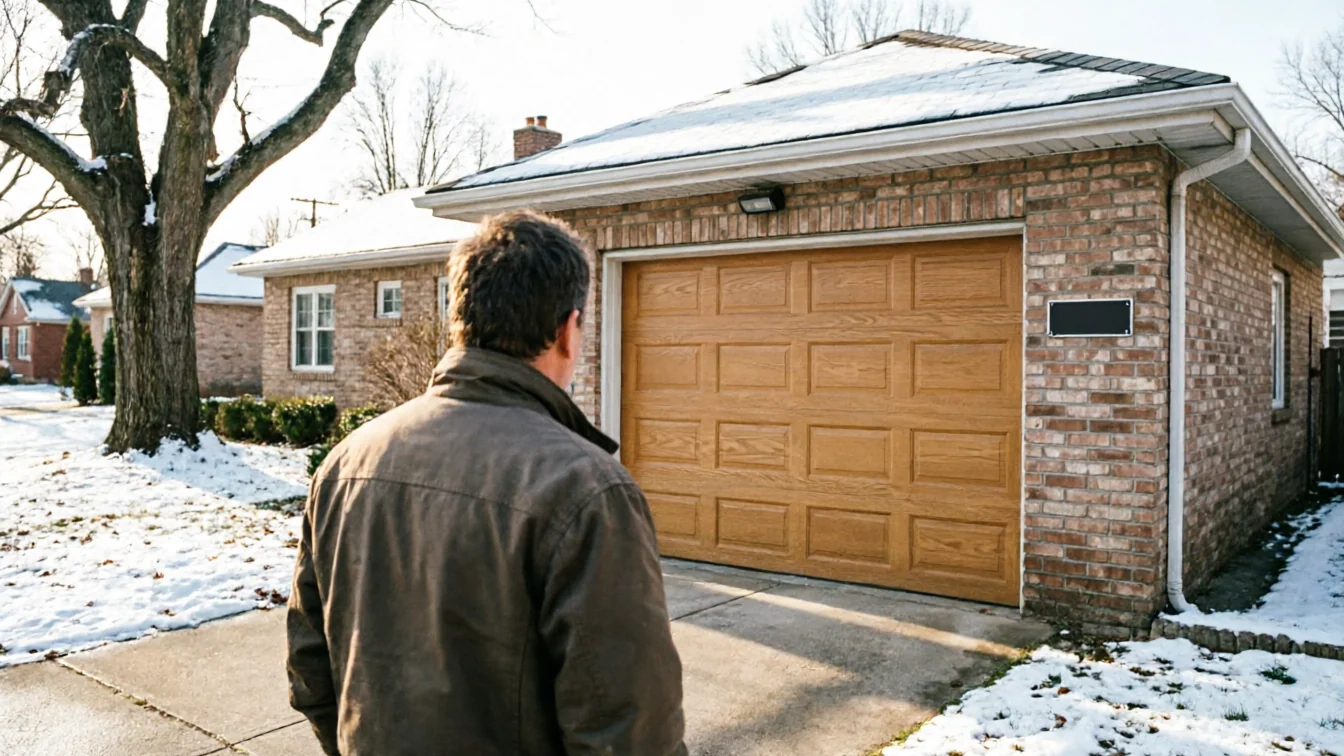
Most houses in Royal Oak went up between 1938 and 1990, with the median landing around 1957. That puts a lot of doors and openers on hardware that was built for a different era of garages - narrower tracks, lighter springs, sometimes a single torsion spring doing work a double-spring setup would handle better today. Across the wider area, the stock leans even older, pre-1960 in most of the 45 named communities nearby, so this isn't a Royal Oak quirk. It's the baseline.
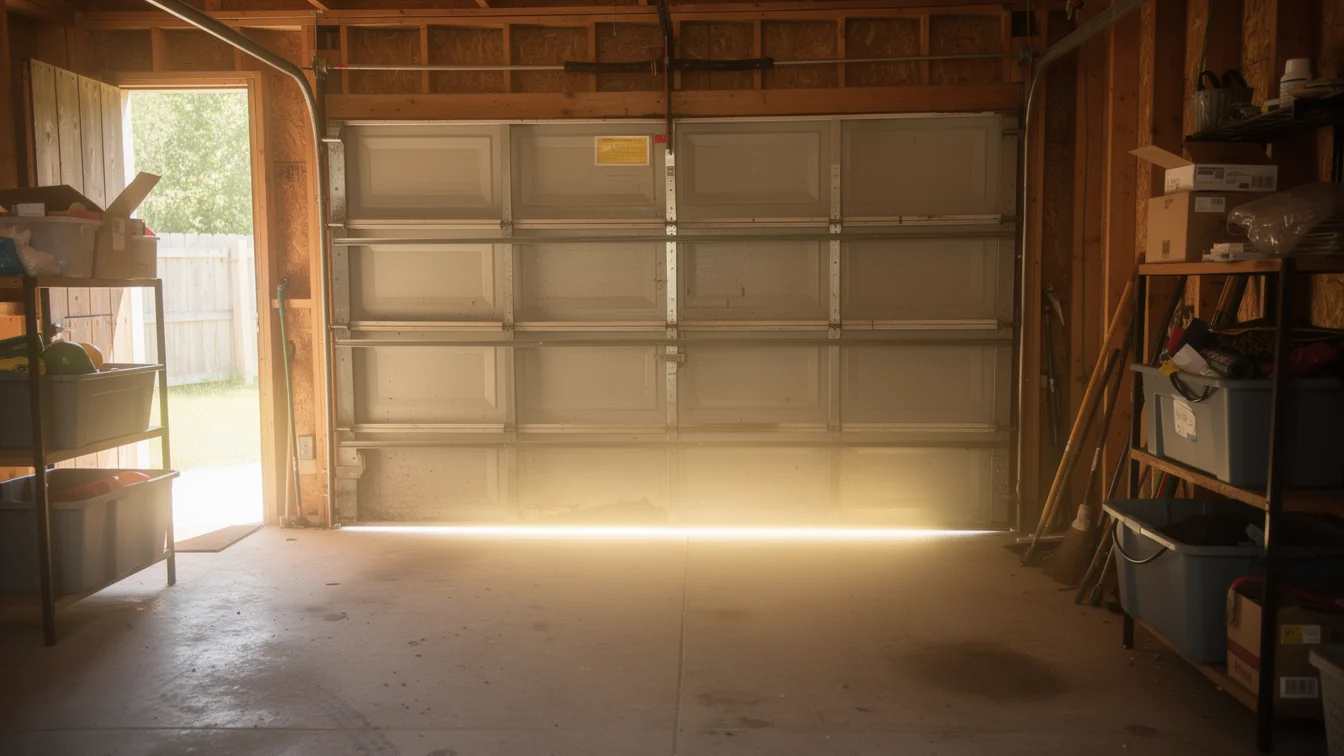
We're in a cold-severe climate band here, and that matters more for a garage door than people expect. Steel contracts in cold, and a door that's slightly out of adjustment in July can bind, scrape, or refuse to seal in January. Weatherstripping on an original 1950s or 60s door was never rated for the freeze-thaw cycling we get now. If your door is from that build era and you've never replaced the bottom seal, that's usually the first thing working against you, not the opener and not the springs.
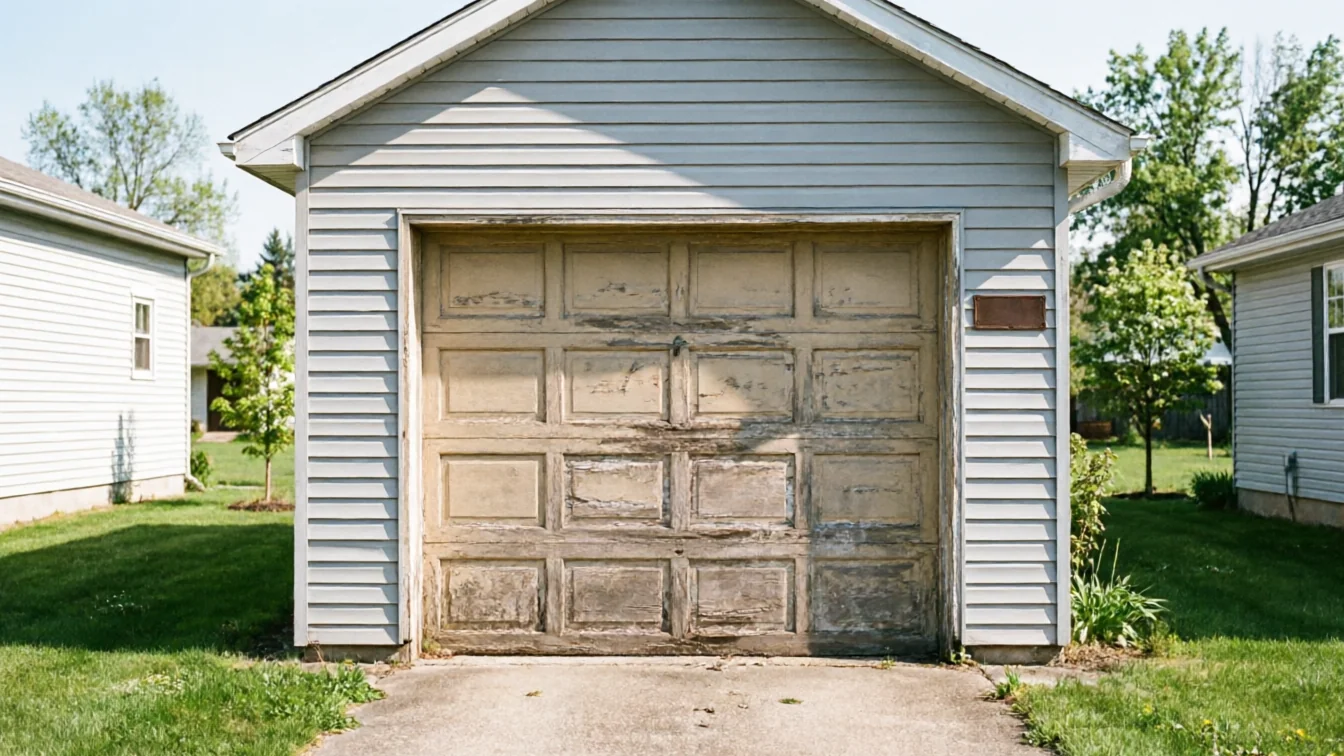
None of this means an old door is automatically a bad door. Plenty of the one-piece and early sectional doors from that period were built heavy, with steel gauges thicker than what gets installed new today. The question is whether the specific parts failing on yours are worth chasing.
The area
Doing Nothing For Now
If your door is from that 1938-1990 window and it's still opening smooth, sealing reasonably well, and the spring hasn't given out, there's a real case for doing nothing. We won't tell you to replace a door that's working because the calendar says it's old. A heavy, well-built door from that era can outlast a cheap new one if the moving parts are maintained.
Where doing nothing stops being the right call is cold weather performance. In a severe-cold climate, a door that's dragging or not sealing isn't just a comfort problem - it's pulling heat out of an attached garage all winter, and it's putting extra strain on a spring that's already working harder than it was designed to. If you're noticing the door is harder to lift by hand in January than it was in July, that's the cold telling you something is already marginal, not something new breaking.
The honest limit here: we can't tell you from a description whether your specific door is fine to leave alone. A torsion spring that looks fine can snap on the next cold morning. If you're not sure, that's worth a look before you decide to wait another winter.
What we find
What You Pay
We don't have a flat number to put here that would mean anything without seeing the door - age, spring count, track condition, and whether the opener is original all change the job. What we can tell you is how the housing stock here shapes the decision. A door built when Royal Oak's median home went up, around 1957, often uses spring and track sizes that aren't common stock anymore, which can push a repair toward a full replacement once you add up parts and labor instead of just swapping a spring.
Income and household patterns in this area - median household income around $70,185, with roughly 288,119 households and 158,601 owner-occupied houses across the service area - tell you this is a market where a lot of people own and maintain their homes rather than renting and ignoring deferred maintenance. That usually means repair-first makes sense when the door's bones are sound, and replacement makes sense once you're chasing a third problem on the same door in two years.
Ask for the breakdown in writing before you agree to anything: parts, labor, and whether the fix is expected to hold through another cold season or just get you to spring.
How we work
The Situation
Royal Oak sits close to Berkley and Huntington Woods, both about 2 miles out, with Pleasant Ridge, Madison Heights, and Oak Park a few miles further - all part of the same older, inner-ring housing pattern, so if your neighbor's door looks like yours, that's not a coincidence. The building ages track closely across this whole cluster.
What that means practically: parts for a 1960s-era door aren't always on the truck, because demand for them is real but not constant. If your door needs an odd-sized panel or a track width that stopped being standard decades ago, expect a wait on parts rather than a same-day fix. That's the honest limitation - we'd rather tell you upfront that a part is on backorder than promise a timeline we can't hit.
If the door is structurally sound - panels not rusted through, track not bent, just old hardware - it's almost always worth fixing rather than tearing out. If the panels are failing or the frame's been knocked out of square, that's a different conversation, and no amount of spring or roller work changes that math.
Talk to a local pro
Garage door trouble in Royal Oak?
Same-day service with honest, upfront quotes.