Where This Job Goes Sideways
Most installers who haven't worked this area assume a standard 16-foot double opening and a square jamb. That assumption falls apart fast here. The median home in this market went up in 1957, decades before garage doors settled into today's common widths, and plenty of openings were framed for doors that don't exist anymore.
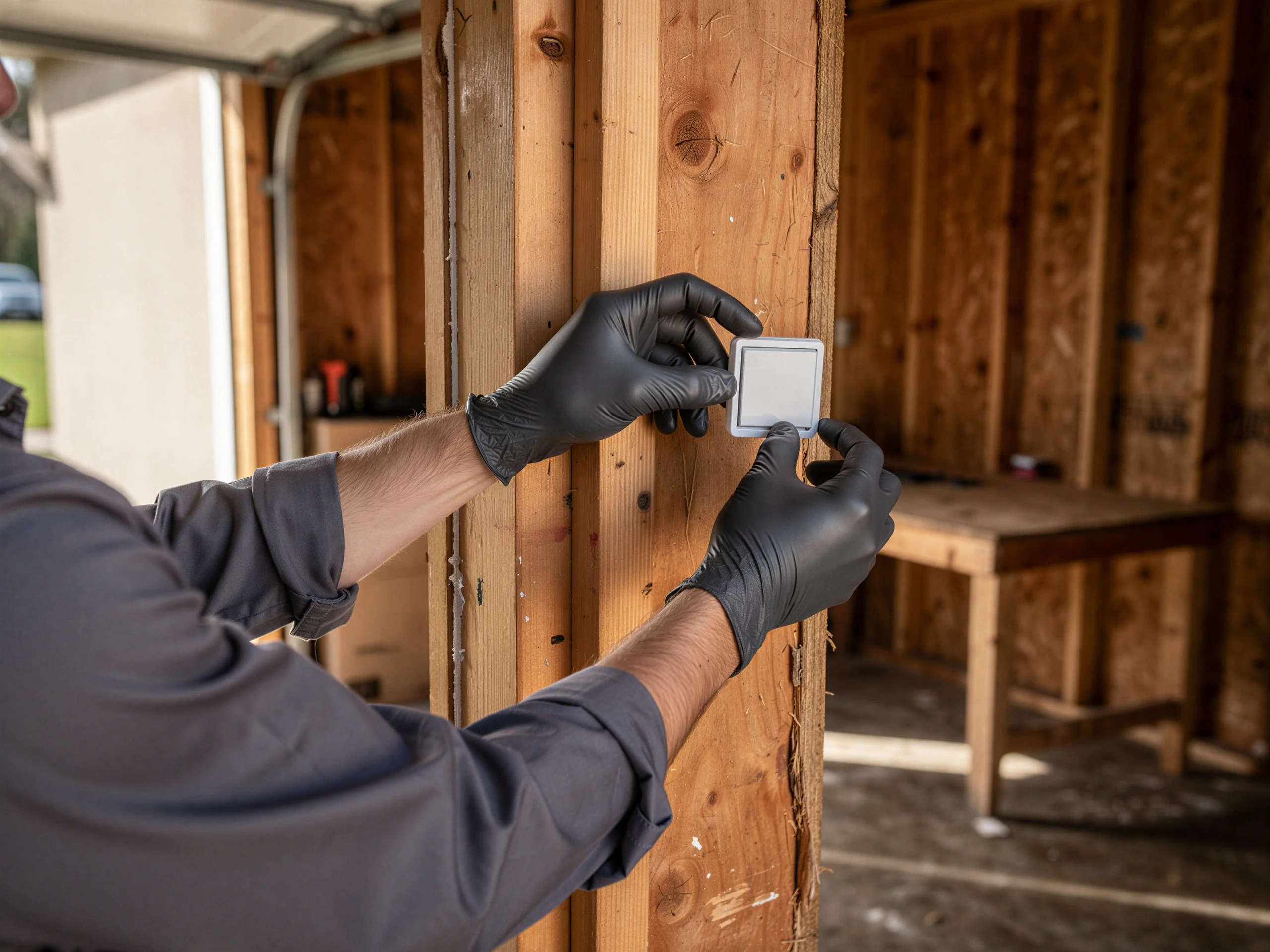
Unchecked rough opening
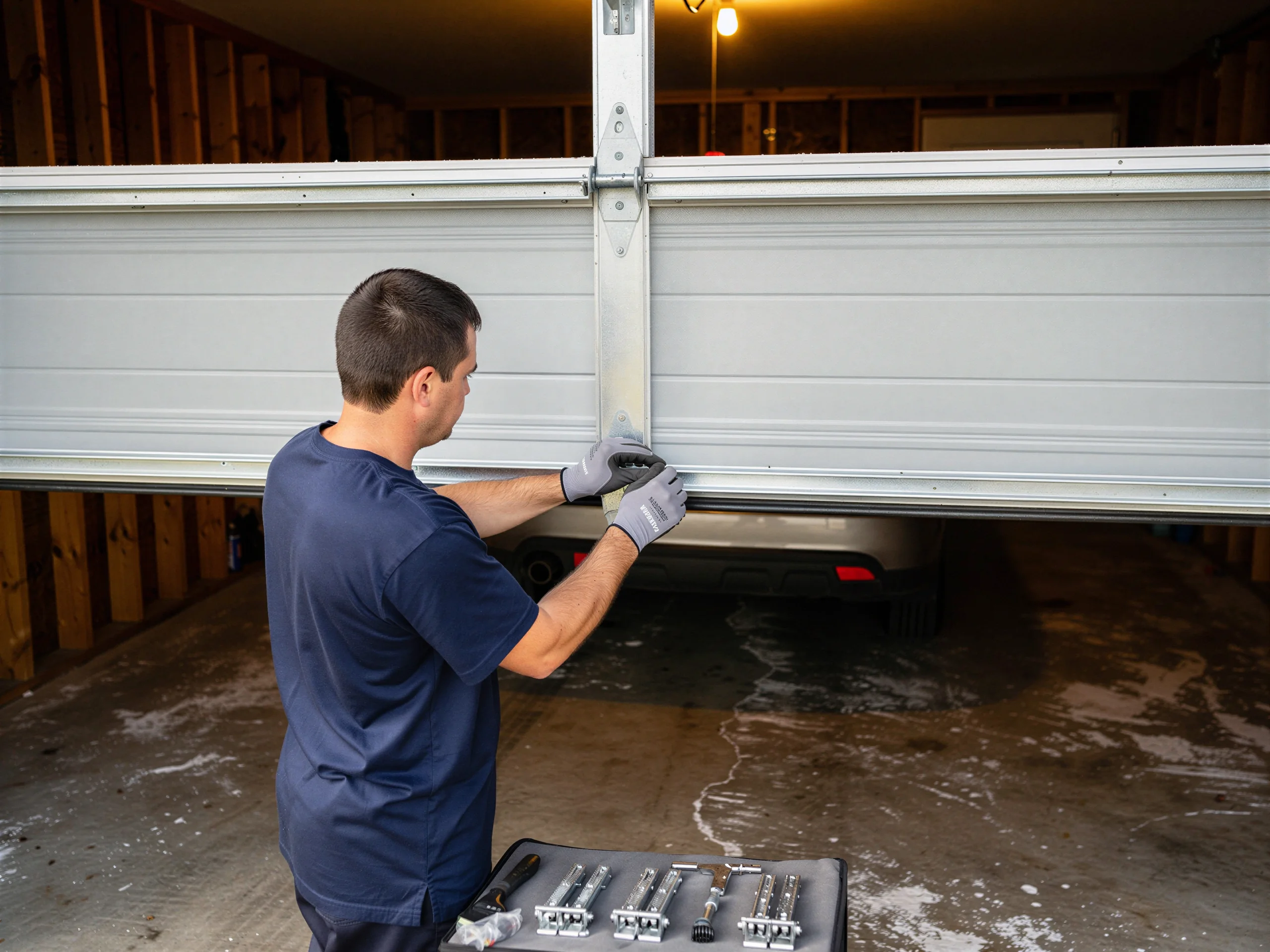
When a crew shows up with a stock door and doesn't check the actual rough opening first, you end up with gaps packed with trim instead of a door that seals.
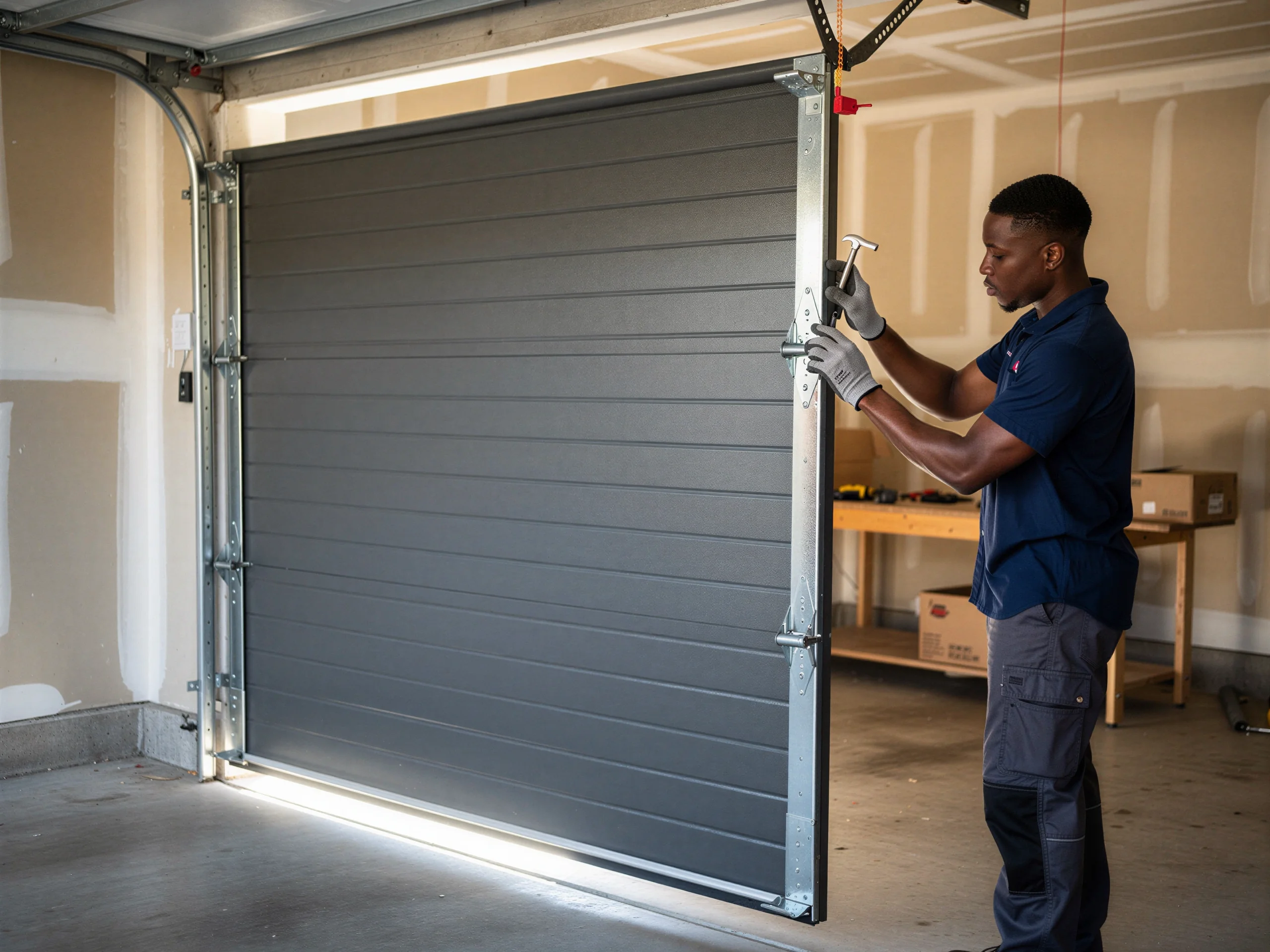
Insulated weight increase
The other place it goes wrong is weight. A cold-climate install calls for an insulated door, and insulated panels weigh more than the single-layer doors a lot of these houses had originally.
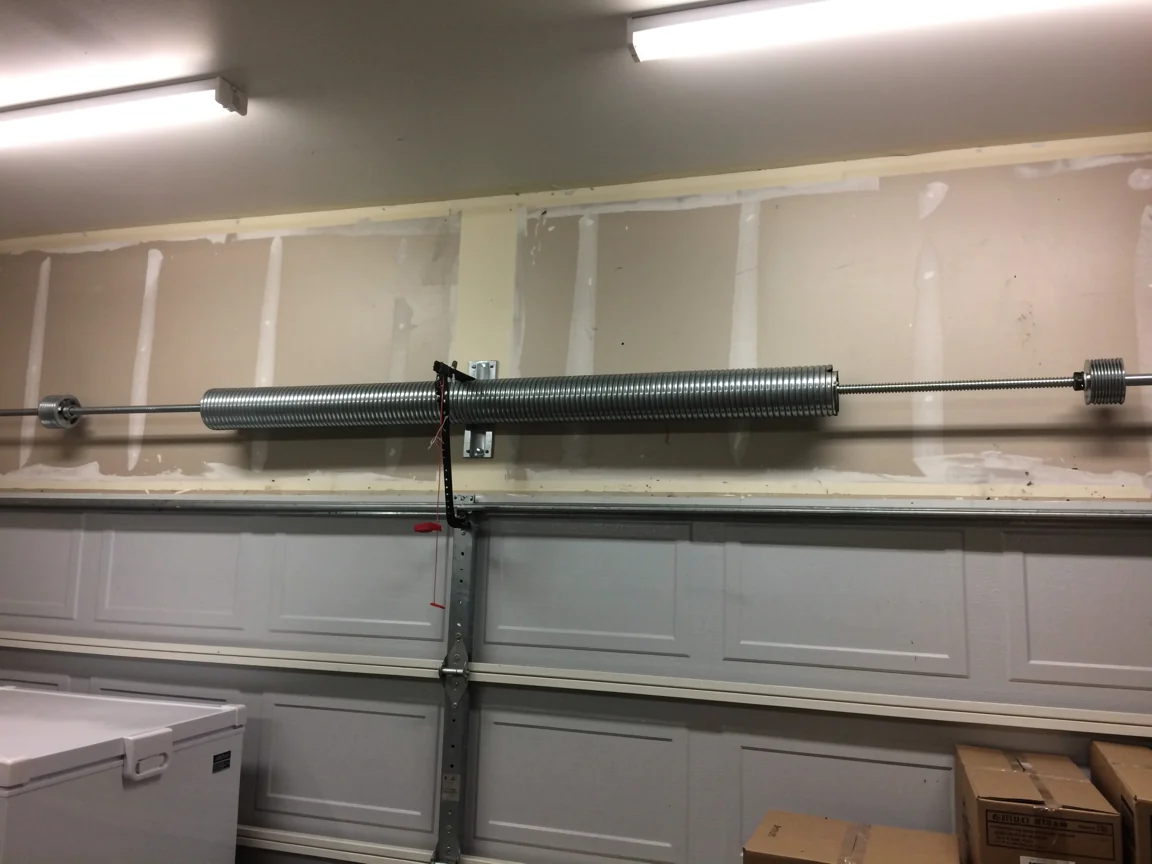
Track overload from weight
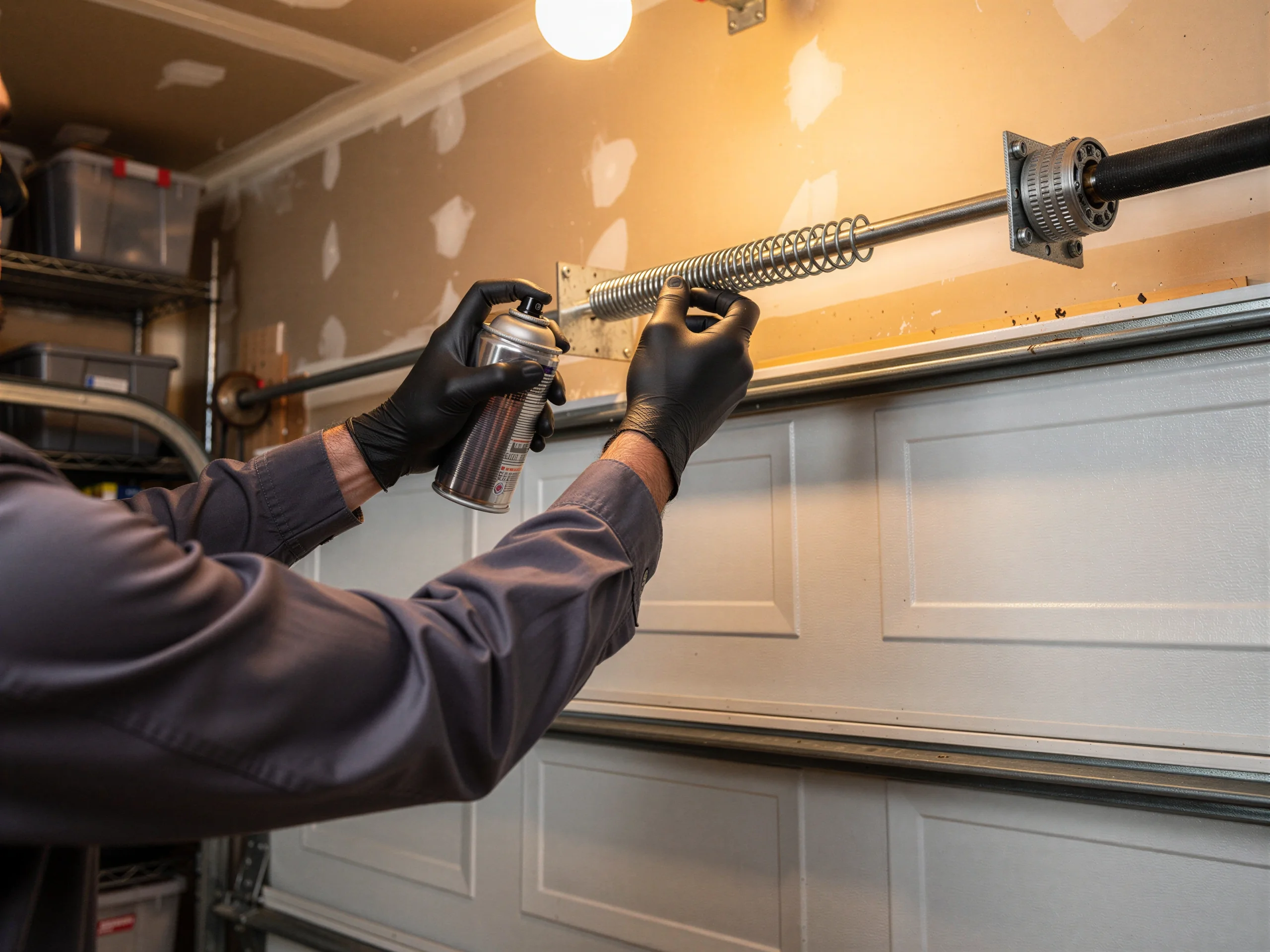
Put a heavier door on an old track bolted to settled framing, and the opener strains, the rollers bind, and the whole system wears out early. The fix isn't complicated, but it only works if someone measures the opening and checks the jamb before the door ever gets ordered, not after it arrives and doesn't fit.
What You Are Seeing
The signs show up slow, not all at once. A new door that doesn't sit flush at the bottom corners, even though it looked fine in the showroom.
Daylight and drafts
A line of daylight or a cold draft along one side that wasn't there with the old door. An opener that used to lift the door in one smooth pull and now hesitates or strains partway up.
Uneven top-corner gaps
Sometimes it's visual before it's functional: the top corners of the door show an uneven gap against the header, wider on one side than the other, because the opening itself was never perfectly square to begin with.
Jamb movement over decades
On older houses the wood jamb has shifted slightly over decades of freeze and thaw, and a door built to exact factory dimensions doesn't forgive that the way a hand-fit wood door once did. If you're noticing any of this on a door that's only a season or two old, it's usually not the door. It's what it was installed into.
What the Fix Involves
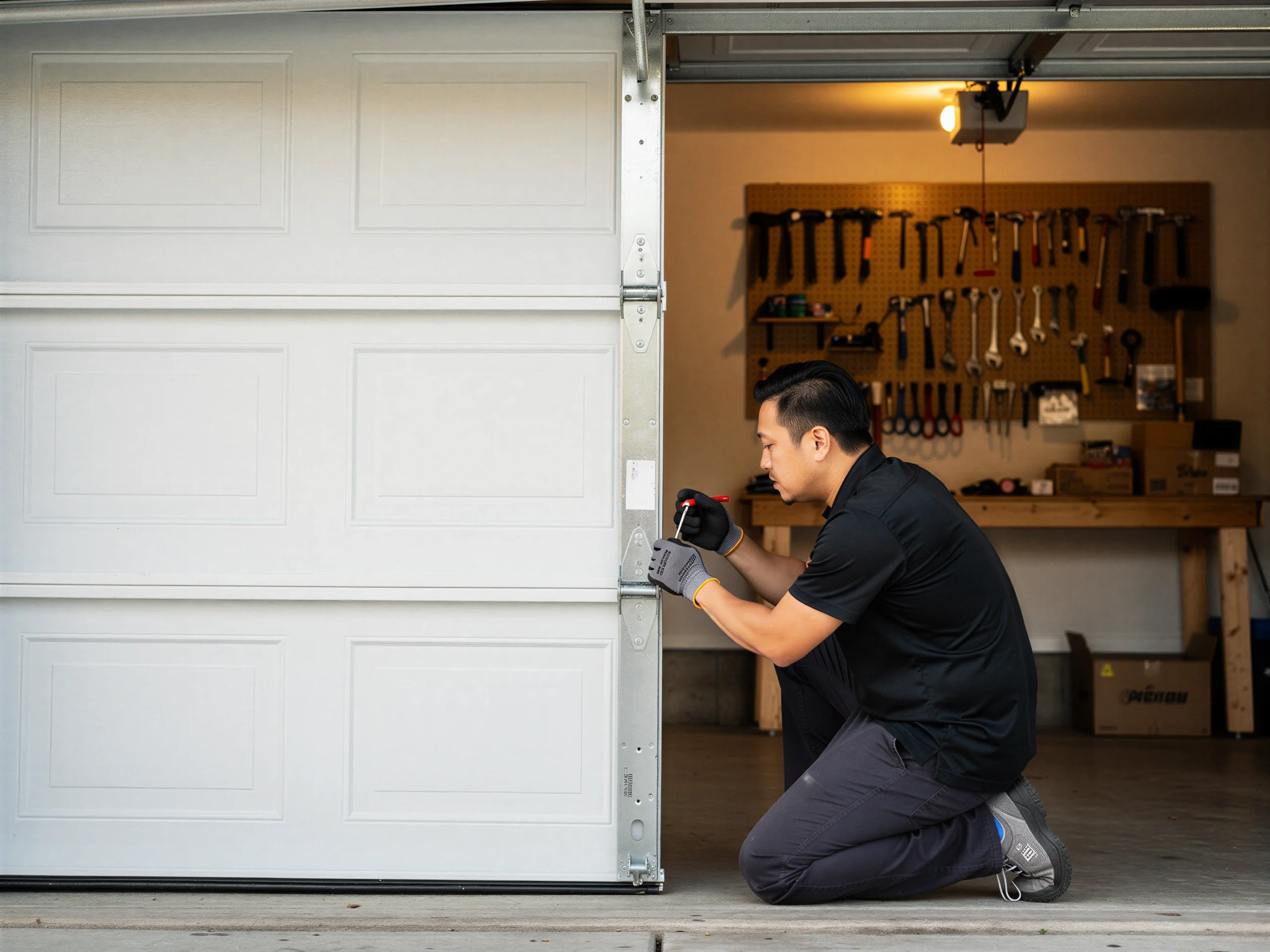
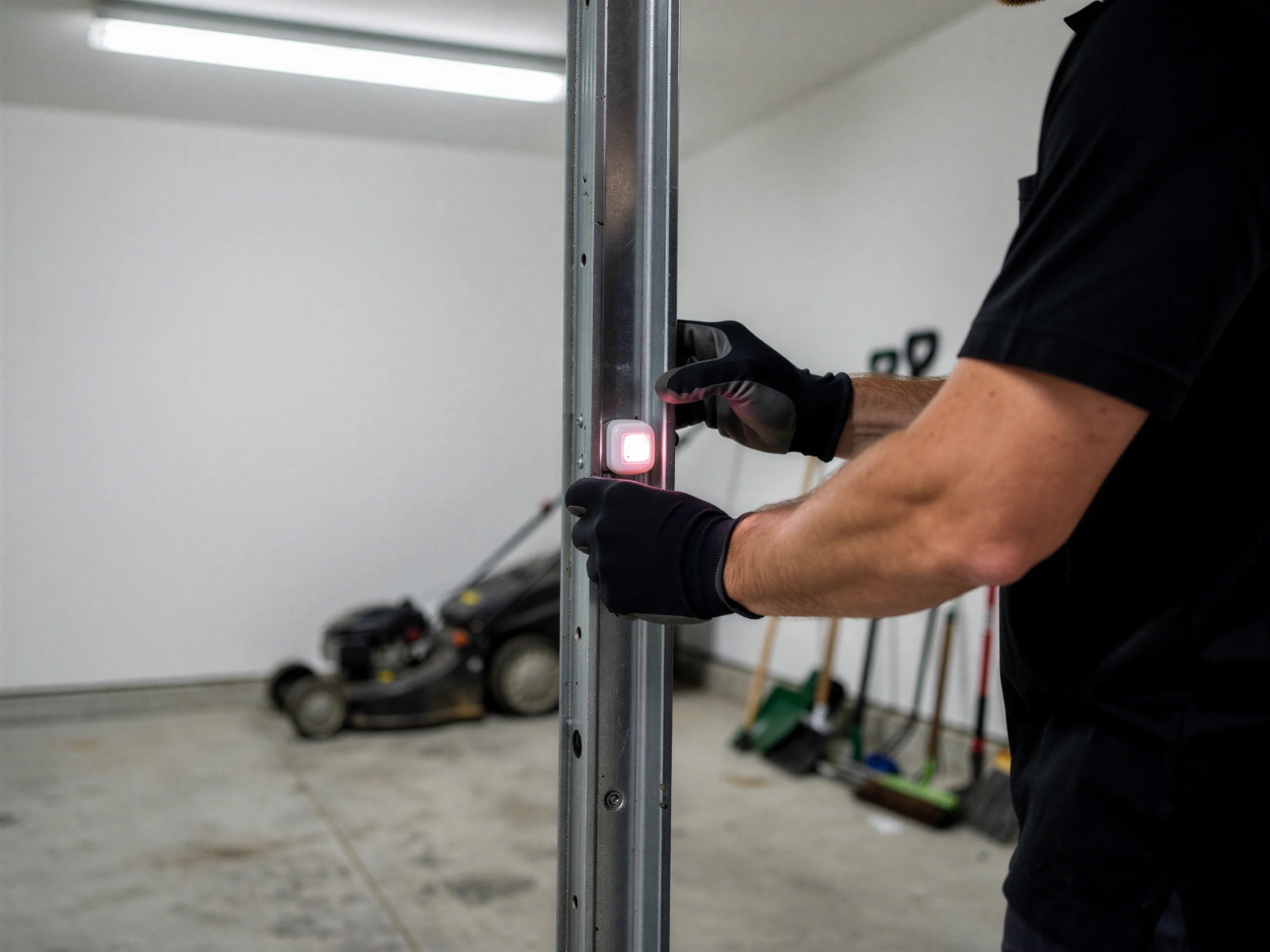
A proper install starts with measuring the actual opening, not the opening as it was framed on paper decades ago. That means checking both jambs for square, checking the header height, and noting if the slab or apron has settled unevenly, which happens often in homes from this era.
From there, the door itself needs to match the climate band, not just the opening. Cold-severe winters call for an insulated steel door with proper weatherstripping at the bottom and sides, and a track and opener sized to handle that extra weight without straining. Jamb shims or small carpentry corrections often come before the door ever goes on the track.
Here's the honest limit: if the opening is badly out of square or the framing needs real rebuilding, that's carpentry work beyond a garage door install, and we'll say so rather than force a door into a frame that will fight it for years. Sometimes the right call is fixing the frame first and installing second.
What Causes It Around Here
This comes down to the housing stock and the weather, not bad luck. Homes in this market were built mostly between 1938 and 1990, with a median year of 1957, and that pre-1960 pattern holds across the 45 named areas that make up this part of the region. Openings from that era were framed for the doors of their day, not for today's standard panel widths, so a stock-size door is a guess until someone measures.
The climate band here is cold and severe, which means real freeze-thaw cycling on the slab and jamb every winter. That movement is slow but constant, and over 60-plus years it adds up to framing that's slightly out of square even in houses that were built well. Combine that with 158,601 owner-occupied houses spread across a service area of 288,119 households, and you've got a lot of original openings that have never been reconciled with a modern insulated door until the old one finally gives out.
Talk to a local pro
Garage door service in Royal Oak?
Same-day service with honest, upfront quotes.