The DIY Question
Royal Oak to Pleasant Ridge is a short drive - three miles - which matters more than it sounds like it should. A job this close doesn't get squeezed into a route or bumped for travel time, so a crew can actually take the extra twenty minutes to get an odd-sized opening right instead of rushing a stock panel into a house that was never built for it.
Median 1938 baseline
And Pleasant Ridge houses are odd by modern standards: the median home here went up in 1938, almost two decades before the median across the rest of the Royal Oak service area. That means smaller garage bays, shallower headroom, and framing sized for a car that isn't being made anymore.
Generic size chart pitfalls
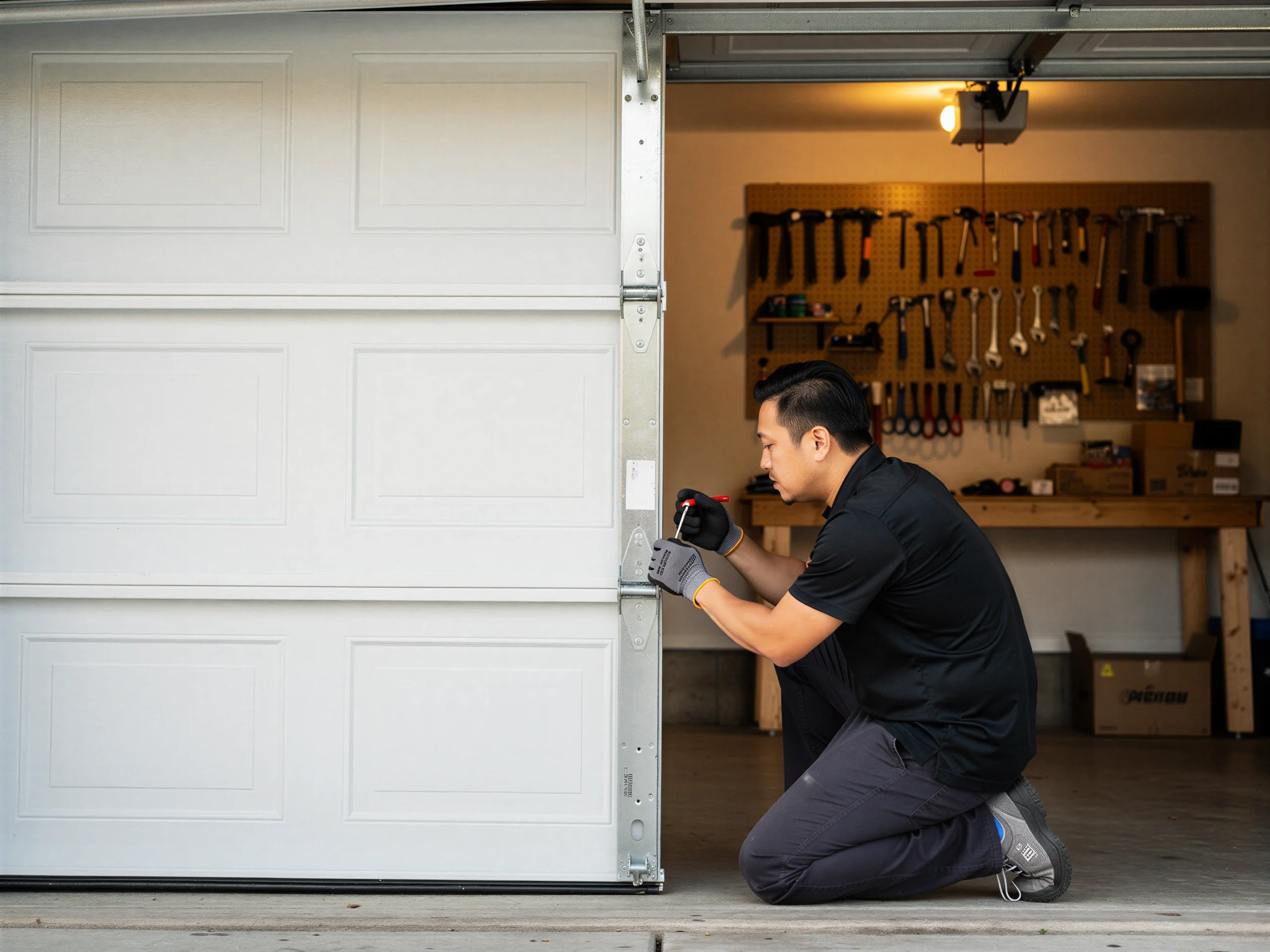
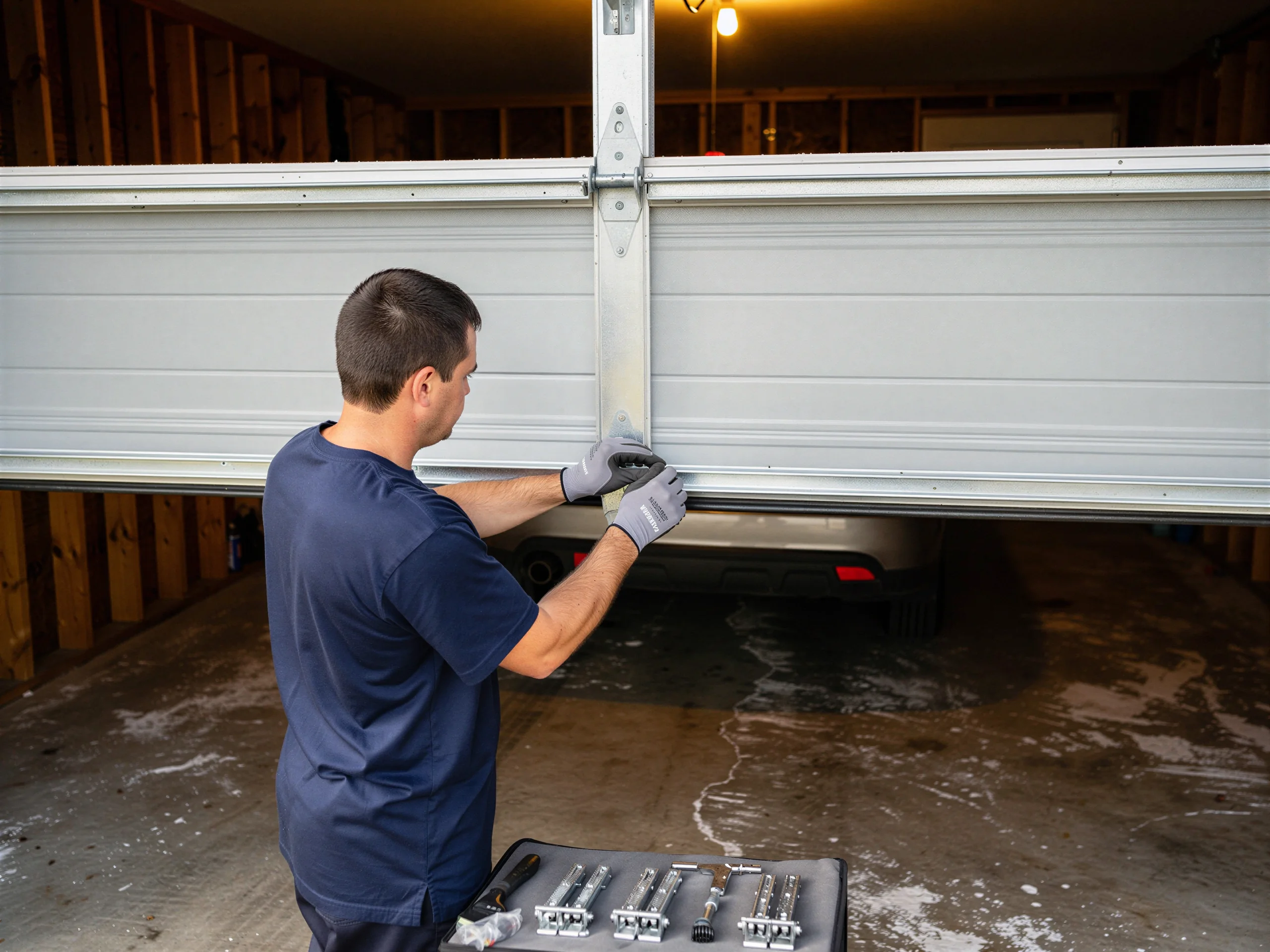
Ordering a door off a generic size chart and hanging it yourself is where this goes wrong fastest - the track hardware that fits a 2005 opening often doesn't bolt to a stud pattern from 1938 without modification.
Rough opening measurement first
If you're set on doing it yourself, measure the actual rough opening and jamb depth before you order anything, not the nominal size stamped on the old door. That one step is where most DIY installs here fail before the door even arrives.
How to Book
Because the job is covered out of Royal Oak rather than a Pleasant Ridge branch, booking starts with a call to set a measurement visit - there's no local yard to swing by. Given it's a three-mile trip, scheduling a measure and an install on the same week is usually straightforward, but the measurement step isn't optional here. With homes dating to 1938, the opening width, the jamb material, and the header clearance all need checking by hand; nothing about a house this old should be assumed from a catalog spec. Once the opening is measured, you'll get a door and hardware recommendation suited to what's actually there, not a one-size listing. You can see what's covered in this part of the service area on the service area page, and the broader rundown of installation work the company does out of its home base is on the Royal Oak installation page. Booking the visit is the only way to get a firm number, since door sizing and hardware cost vary house to house.
Where This Job Goes Sideways
The 1938 median build year is the thing to watch. Houses from this era in Pleasant Ridge were framed before garages were sized for two full-size cars side by side, so a lot of single-bay openings here are narrower than what a big-box door comes in off the shelf.
Trimmed door binding
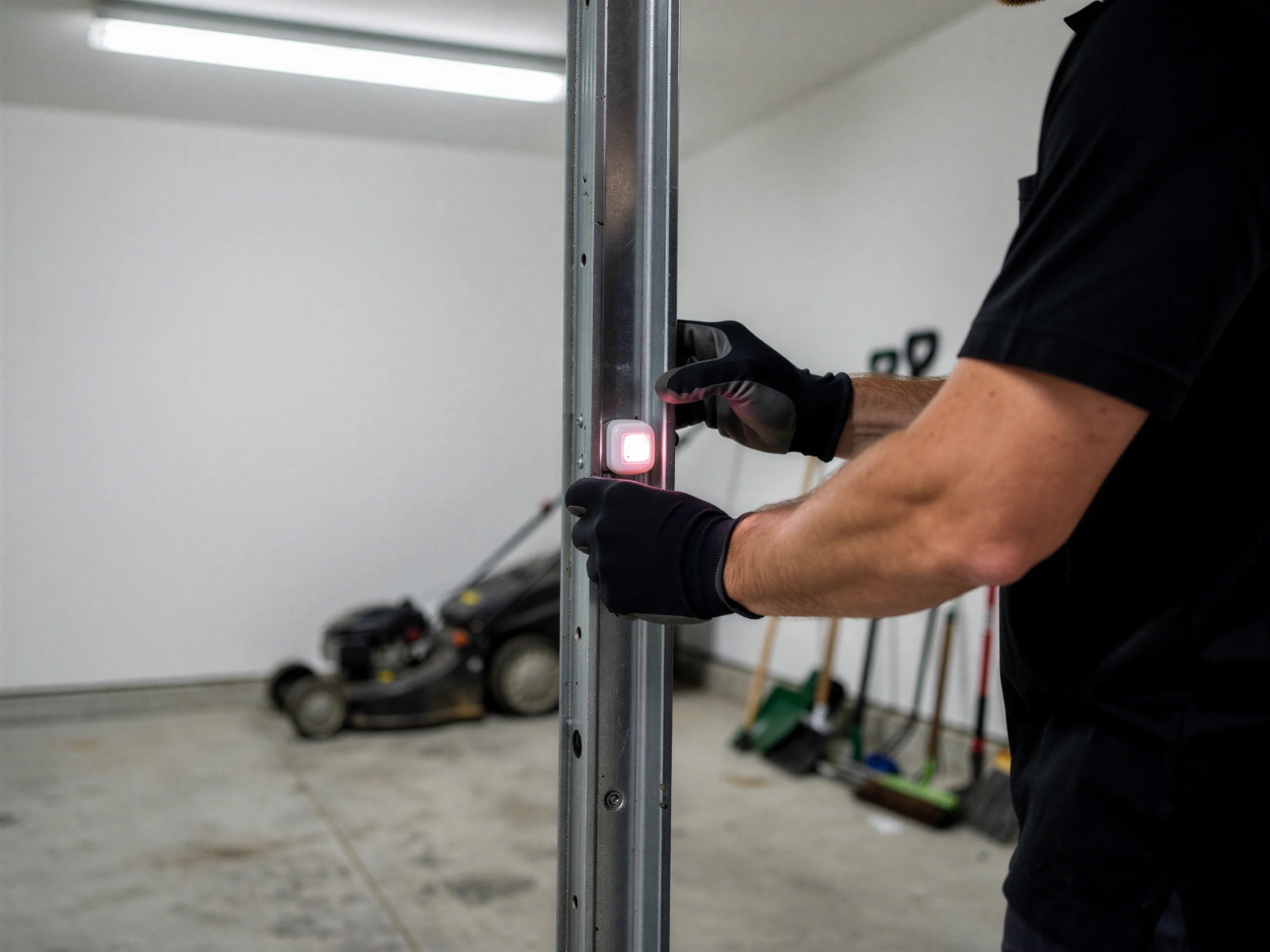
Trim a stock door down without adjusting the track spacing and roller alignment, and you get a door that binds on one side within the first few months.
Header strength under weight
The other failure point is the header: older framing sometimes wasn't built to carry a heavier insulated door section, and nobody finds that out until the opener is straining against a sagging top panel.
House-by-house measurement
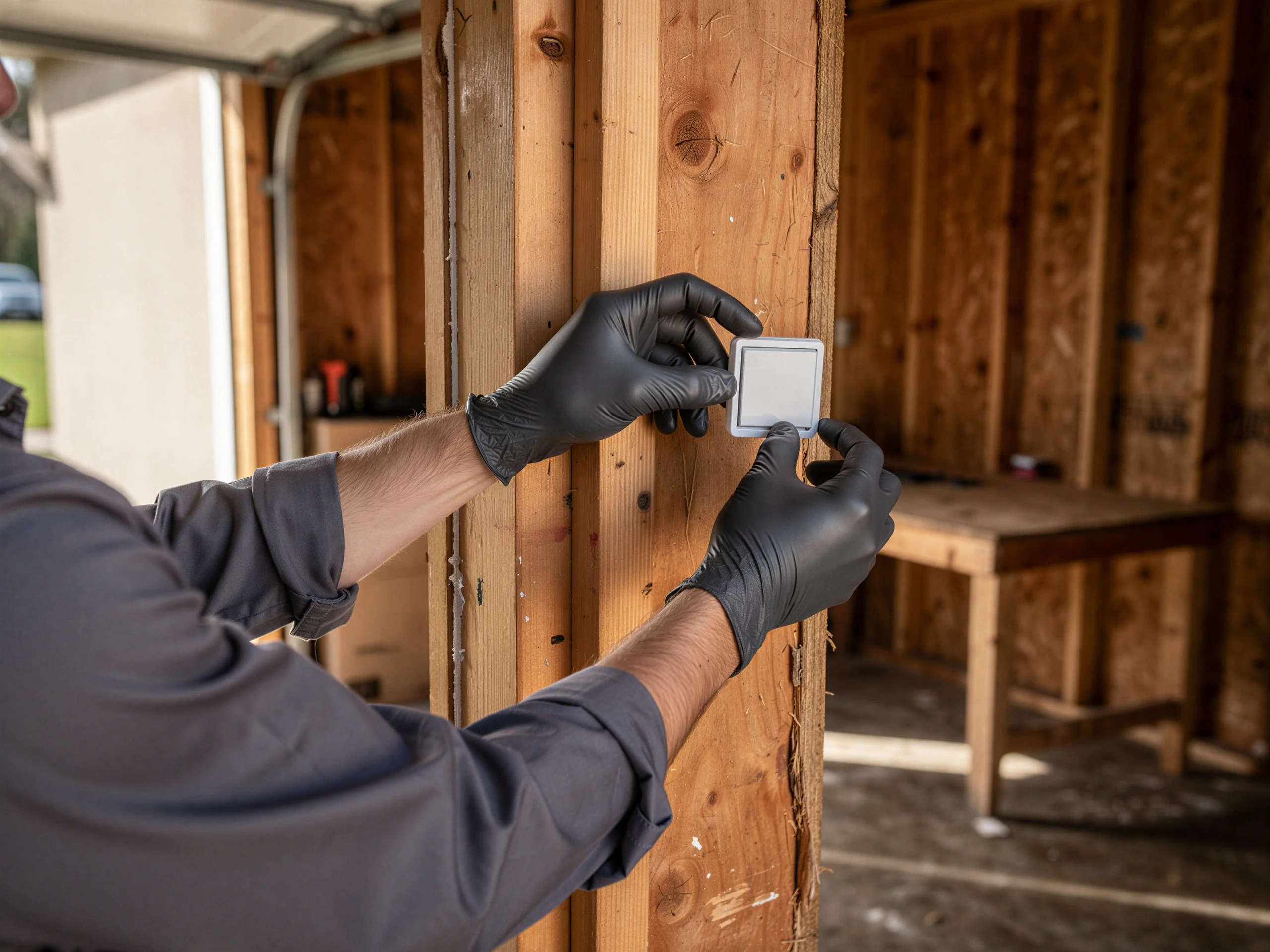
With only 1,173 households in Pleasant Ridge, this isn't a problem solved by a universal fix - it gets handled house by house, with actual measurements of jamb depth and header strength before a door gets ordered. Skip that check and the install looks fine on day one and starts failing by winter, when the cold tightens the seals and any misalignment gets worse.
How Long It Takes
A straight swap - same opening, no header or framing work - runs a single visit once the door's on hand. A 1938 opening that needs a header reinforced or track hardware re-spaced for a narrower bay adds time on-site, and sometimes a second visit if lumber or a custom-width panel has to be ordered. That's the honest limitation: non-standard door widths aren't something kept in stock, and a narrow 1938 bay often needs one. Cold-climate sections - the kind rated for the severe winter swings this part of Michigan gets - also tend to be special order rather than next-day, so a tight timeline should account for lead time on the door itself, not just labor. None of that is unique to installation day; it's set before the crew ever shows up, at the measurement stage. If the opening turns out to be a standard width once it's actually measured, the job moves fast. If it doesn't, plan the calendar around the door's arrival, not the install.
What You Are Seeing
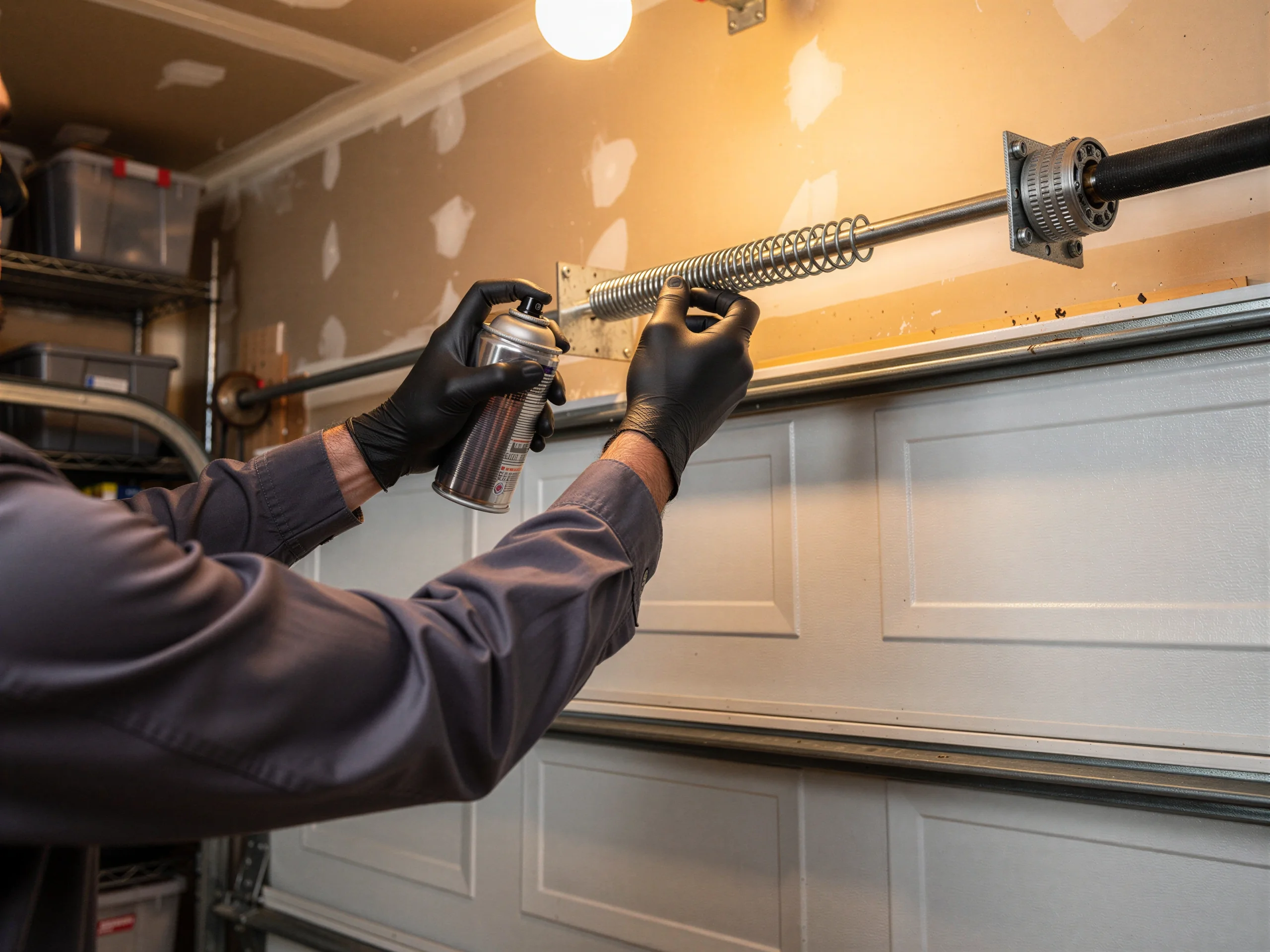
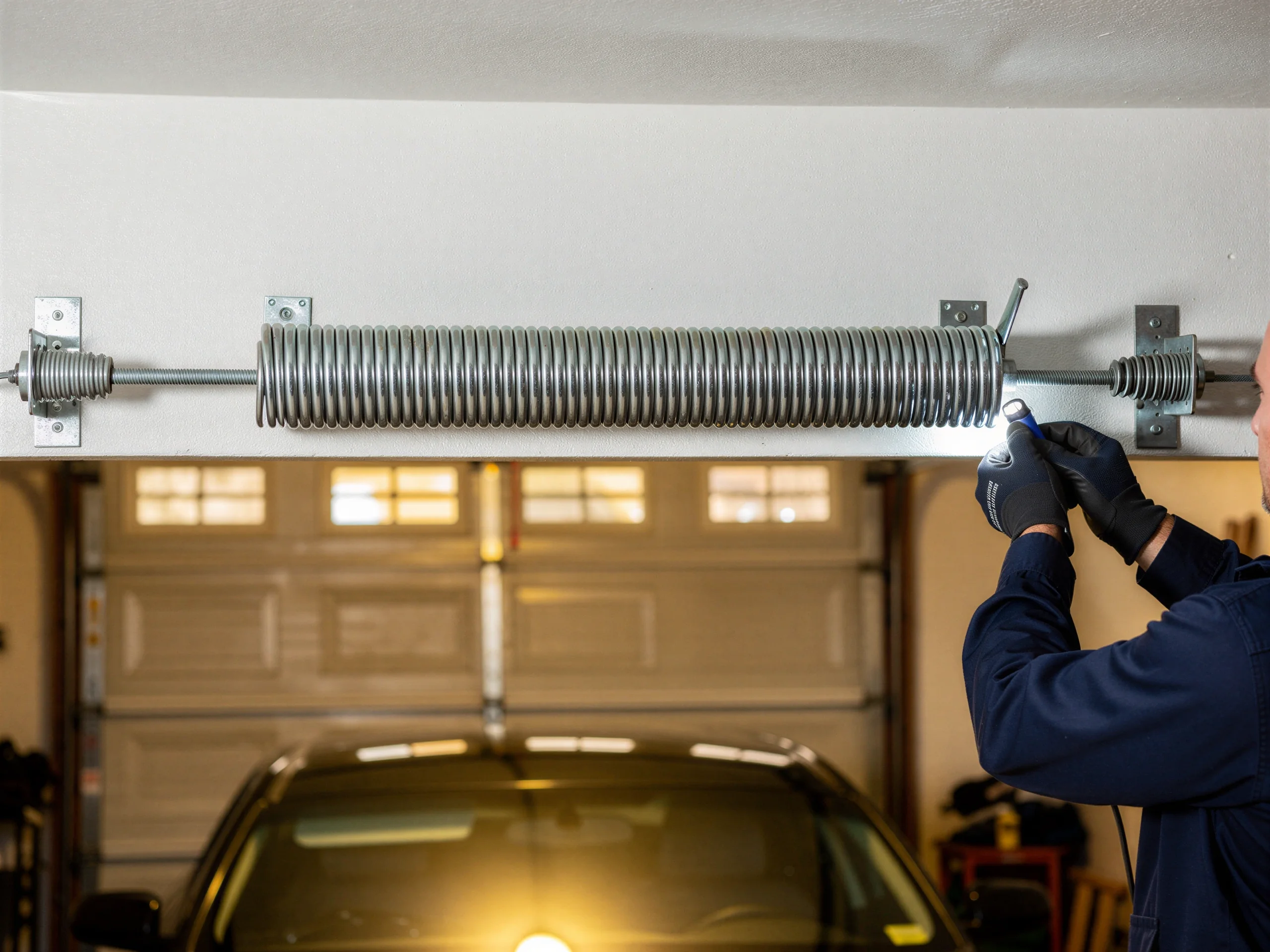
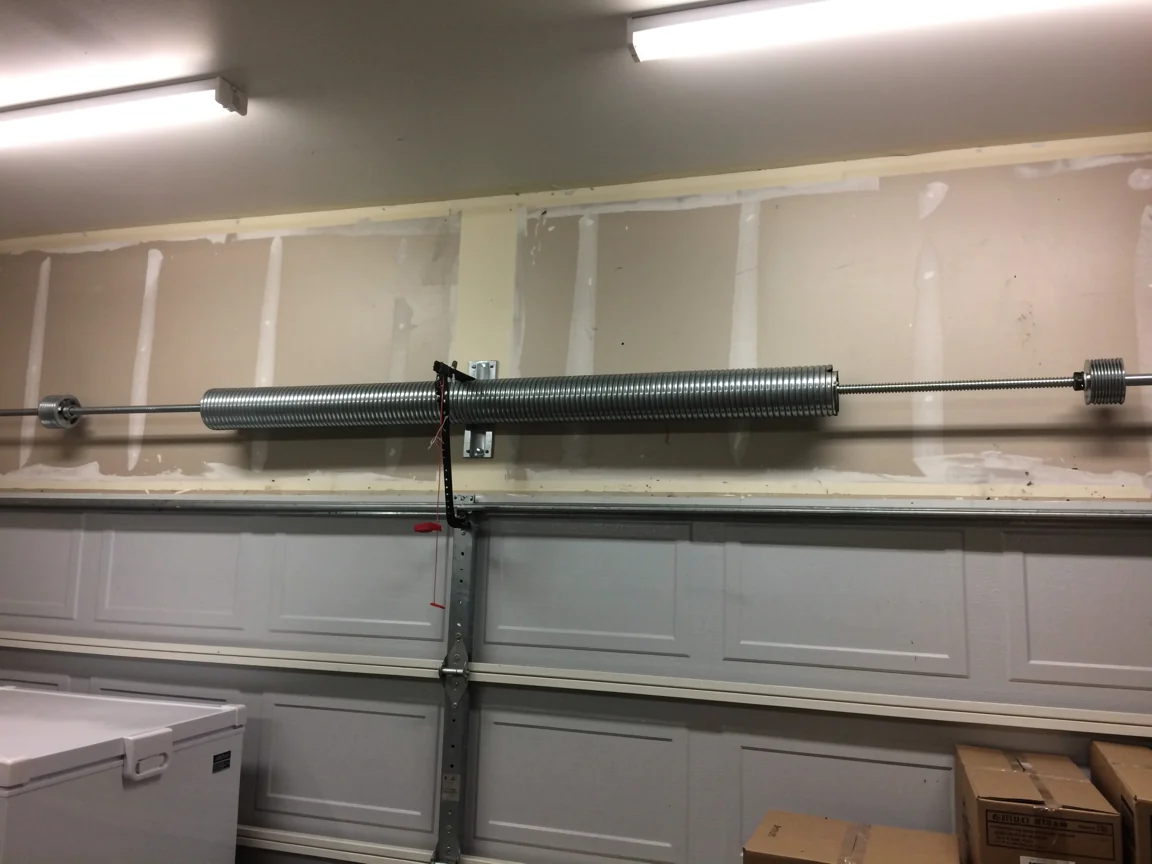
If the door in Pleasant Ridge is original or close to it, the signs are usually the same: a single thin panel with no insulation layer, hinges rusted at the pivot points from decades of Michigan winters, and a torsion spring sized for a lighter door than what's sometimes been swapped in later. Daylight at the bottom seal that wasn't there last year usually means the track has shifted slightly out of plumb - common in houses this age where the slab has settled a little over eight decades. A door that's noticeably heavier to lift by hand than it used to be is often a spring that's lost tension, not a door that's actually gotten heavier. None of these are install-day problems; they're wear patterns specific to a house pushing ninety years old. A new door replaces the whole picture at once - panel, seal, spring sized correctly for the new weight - rather than patching one symptom and leaving the rest of a mismatched system in place.
What the Fix Involves
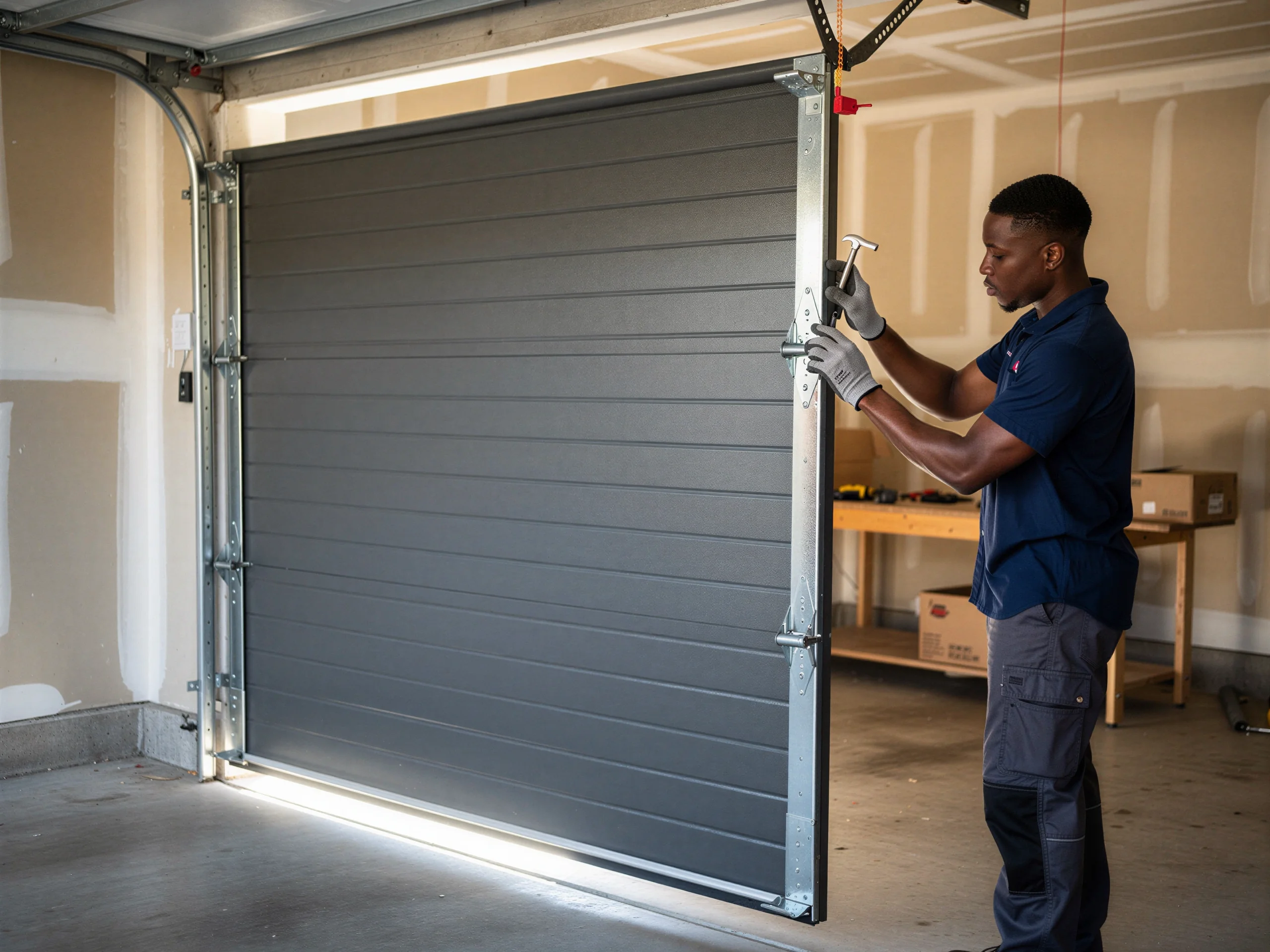
A proper install starts with the opening itself: confirming width, height, and jamb depth against the new door's actual spec sheet, not the old door's.
Custom brackets for 1938
For a 1938 house, that often means custom track brackets rather than the universal mounting hardware that works on newer stock. The door itself gets picked for the climate band this area sits in - a cold-rated section with a real thermal break, since the swing between a heated garage interior and a Michigan winter night is enough to crack a cheap seal within a season.
New spring sizing
Springs get sized to the new door's actual weight, not reused from the old setup, which is one of the more common shortcuts that leads to an early callback.
Options match the opening
Pleasant Ridge's median household income, well above the service area's $70,185 median, means insulated and higher-spec door options are a reasonable ask here rather than a stretch - but the fix still has to match the opening in front of it, not just the budget. The last step is balancing the opener to the new spring tension, which gets skipped more often than it should.
Talk to a local pro
Garage door service in Royal Oak?
Same-day service with honest, upfront quotes.