The DIY Question
With just 1,173 households, Pleasant Ridge doesn't see the call volume a bigger suburb does, but the houses that are here are old - median year built 1938 - and that age shows up in the hardware more than in most of the towns we cover.
Owner wipe-down tasks
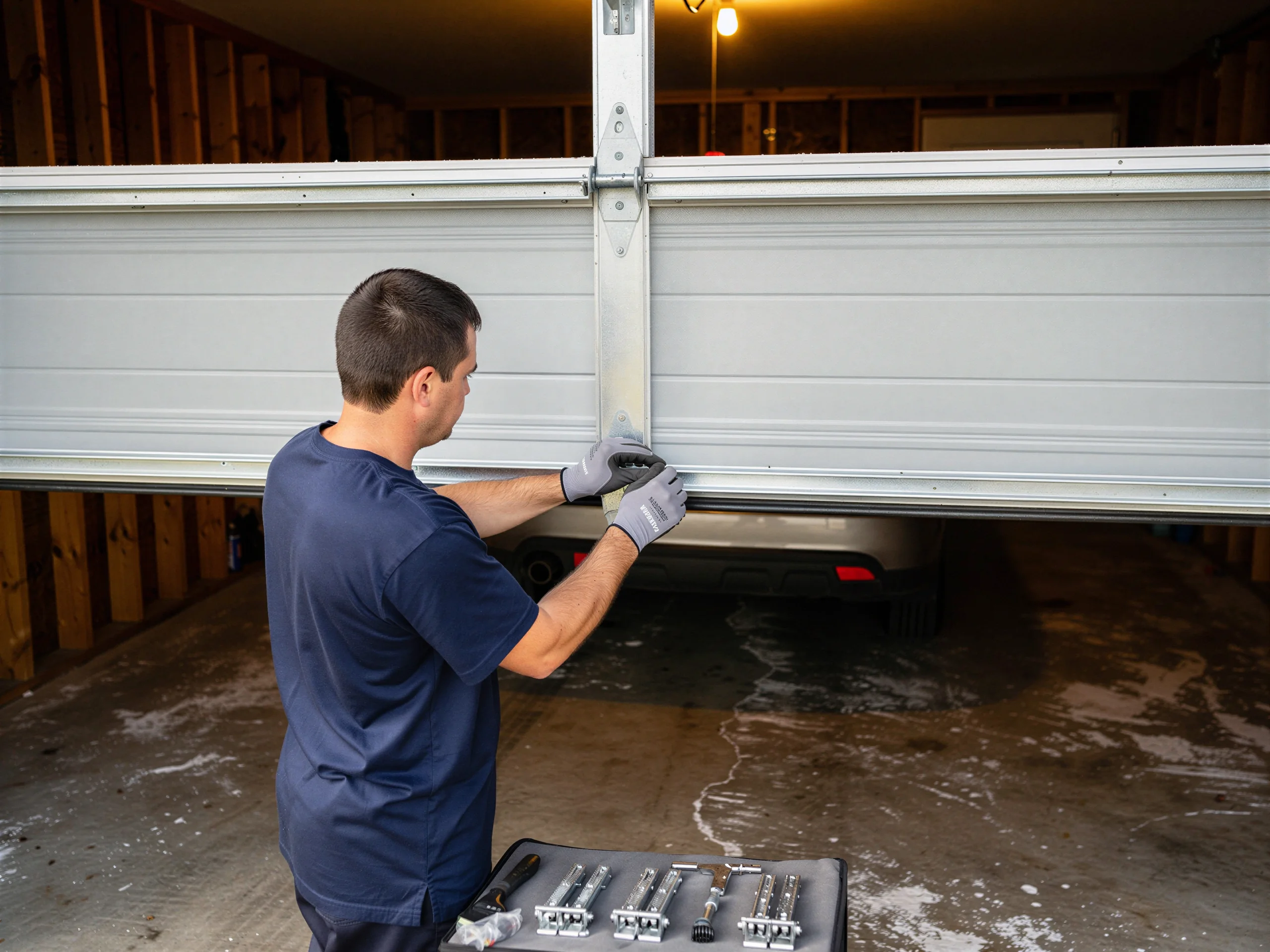
A door that's been re-skinned or upgraded over the decades is still hanging on brackets and track that may be original. There's plenty an owner can do without a wrench near a spring: wipe down the tracks, check that the rubber bottom seal still seats flat, watch for a roller that's started to chip or flat-spot, and listen for a grinding sound that wasn't there last winter.
Seasonal five-minute care
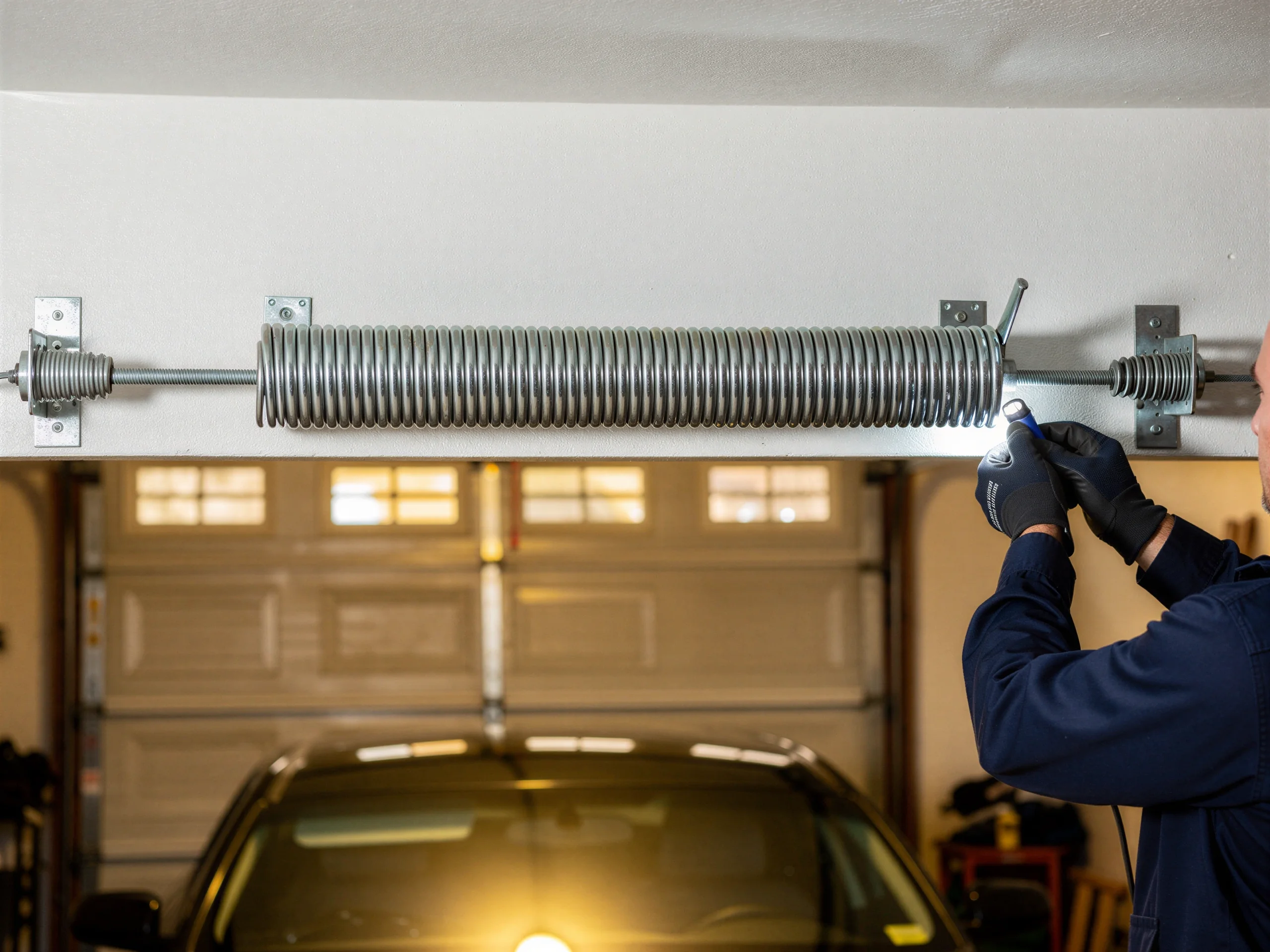
All of that is safe and worth five minutes a season. What isn't a DIY job is anything touching spring tension, cable routing, or the torsion bar itself.
Stored tension unknown
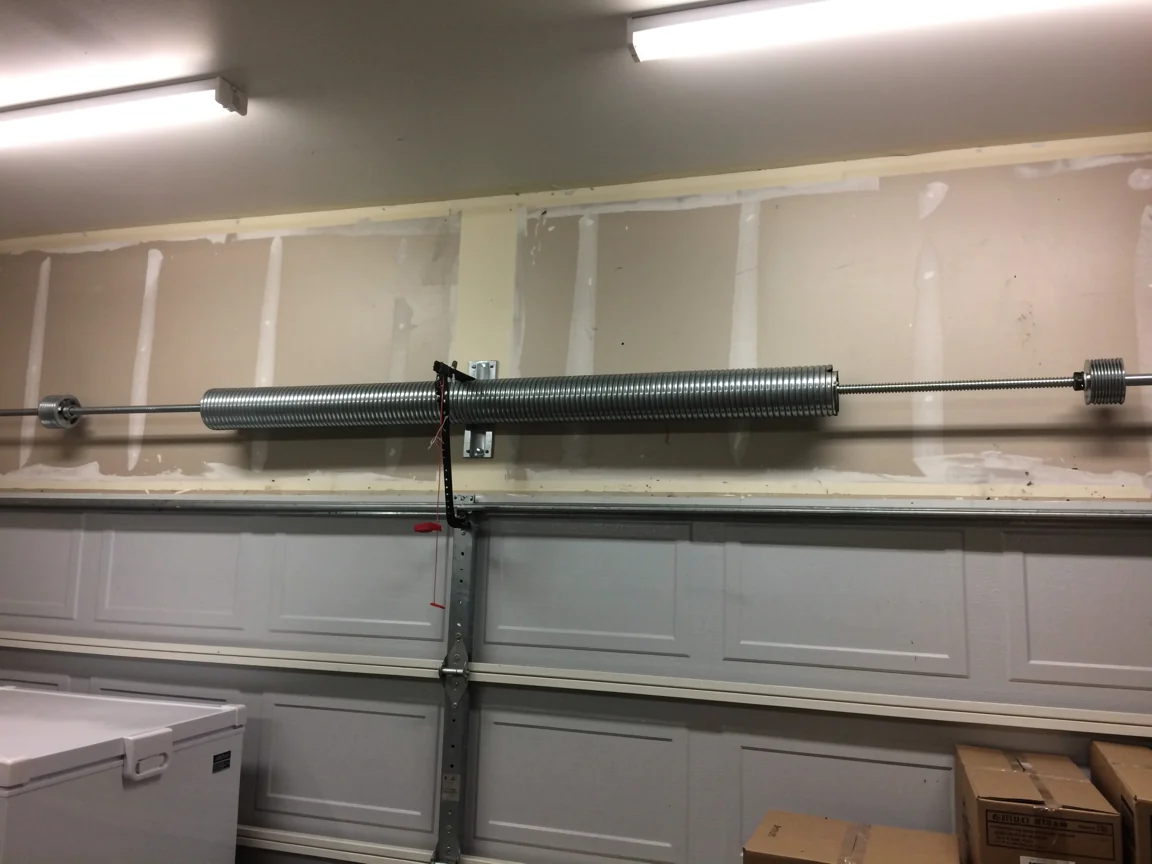
On a house this old, the spring was very likely sized decades ago for a lighter door than the one hanging there now, which means the stored tension is often not what a sticker or a general online guide assumes. That's not a reason to avoid maintenance. It's a reason to keep hands off the parts under load and let a tech check them.
How to Book
Royal Oak Garage Door Pros covers Pleasant Ridge from three miles away, not from a branch inside the city. There's no local depot here and we're not claiming one - the truck comes from Royal Oak, which is close enough that it doesn't change how a maintenance visit gets scheduled or handled once it arrives.
Area and scope pages
If you want to see how Pleasant Ridge fits into the wider service area we run, the service area page lays that out: Pleasant Ridge service area. For the full rundown of what a maintenance visit covers company-wide, that detail lives on the main page for the trade, not repeated here: Royal Oak garage door maintenance.
Details that shape visits
Booking itself is straightforward - you tell us the age of the door and whether anything's already making noise or sticking, and that shapes what the tech brings along.
Parts for older assemblies
On a city built mostly before 1960, that often means bringing parts sized for older track and drum assemblies rather than assuming current stock will bolt straight on.
Where This Job Goes Sideways
A door installed when this city's median home went up in 1938 almost always ran on a spring sized for a lighter, single-layer wood door, not the insulated steel doors most owners here have since bolted onto the original track.
Door-spring mismatch strain
When a previous owner swapped the door but not the spring or the drums, the door looks fine sitting still and then fights the opener on every cycle - more strain on the motor gear, more wear on the cable, and eventually a snapped cable or a stripped gear that gets blamed on the opener when the real cause is upstream.
Paint hiding hardware wear
The other place this goes wrong is painted-over hardware. Decades of repaint jobs on a house this old can seal a hinge or a roller bracket in place, hiding a crack or a worn pivot point until it lets go under load.
Inspection depth tradeoff
A maintenance visit on an older house takes longer to inspect for exactly this reason - you're not just checking tension, you're checking whether the metal underneath the paint is still sound. We won't pretend every issue traces back to 1938 original hardware. Plenty of doors here have been fully replaced over the years. But when something doesn't match what you'd expect for the door's apparent age, that mismatch is usually the story.
How Long It Takes
We're not going to hand you a number here that isn't backed by a fact - how long a visit takes depends on how many doors are at the house, how old the track and spring assembly are, and how much winter grime has built up since the last service.
Inspection time drivers
What we can say is what adds time on a city like this one: original hardware that needs careful inspection rather than a quick glance, and rust or hardened grease that's built up over a cold-climate winter and needs scraping before fresh lubricant will even take.
Faster on newer hardware
A straightforward tune-up on a door with newer hardware moves faster than one where the tech has to stop and check whether a bracket from the 1930s or '40s is still structurally sound before touching anything else.
Two-door visit planning
That's not a stall tactic - it's the difference between servicing a door and quietly missing a crack that fails six months later. If you've got two doors on the property, plan on the visit covering both, since they rarely age at the same rate even on the same house.
What You Are Seeing
Michigan's cold climate means grease that moves fine in July turns gummy by January, and on a city this size - 1,173 households - that's the single biggest maintenance call we get out here. A door that opened smooth all fall suddenly groans or hesitates the first hard-freeze week, and owners assume the opener is failing when it's usually the lubricant that's gone stiff on the rollers and hinges.
On houses built around the 1938 median for this city, you're also more likely to see a door that's slightly out of square in the frame after decades of settling, which shows up as a track that binds on one side before the other. It's subtle enough that most owners notice the sound before they notice the door is actually off level.
Rust at the bottom bracket is another one worth watching, especially on doors near grade where snow and road salt splash up over a winter. None of this is unique to one house - it's what a cold-climate build from this era tends to do over sixty-plus years, and it's exactly what a maintenance visit is meant to catch before it becomes a repair.
What the Fix Involves
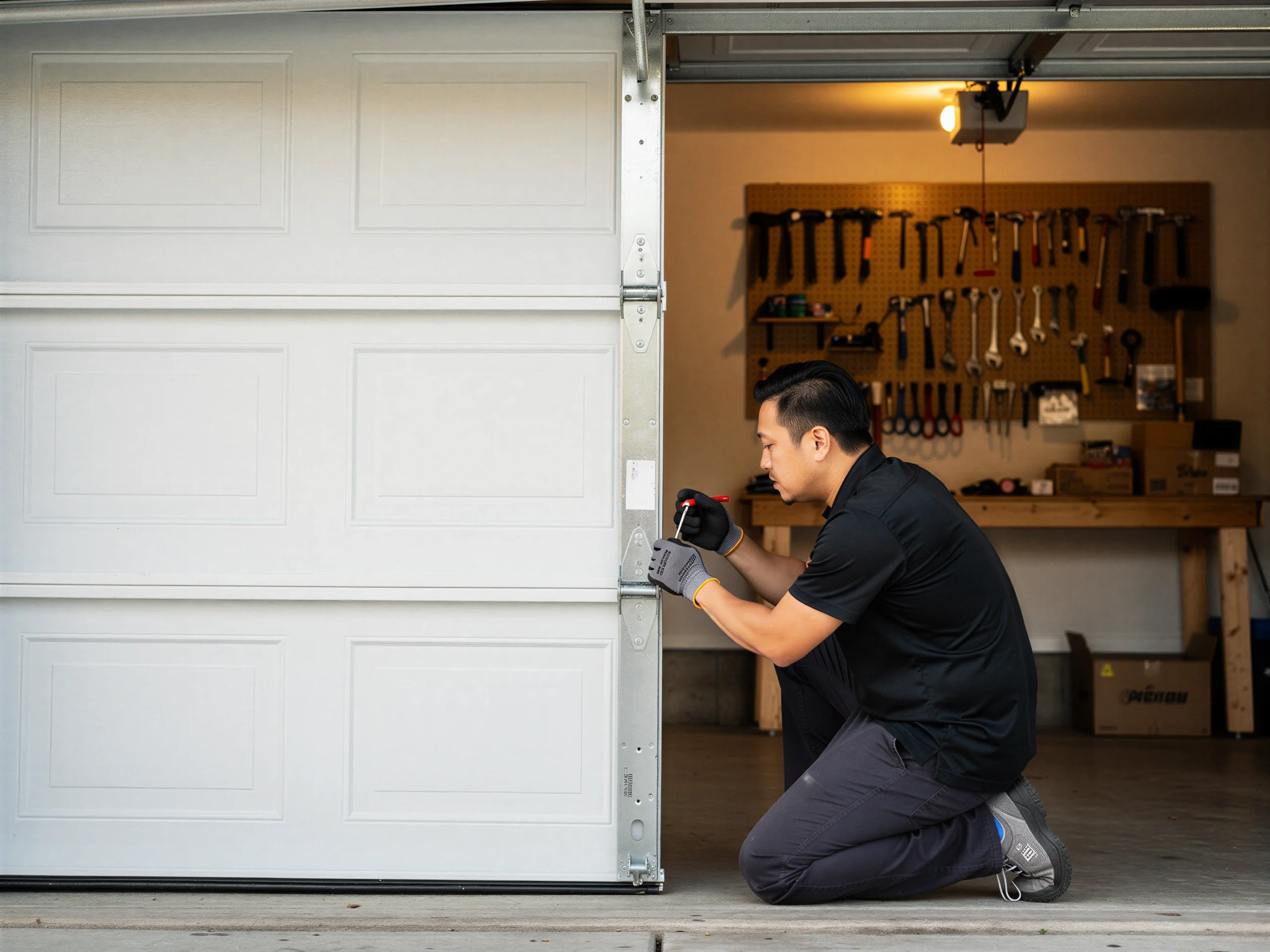
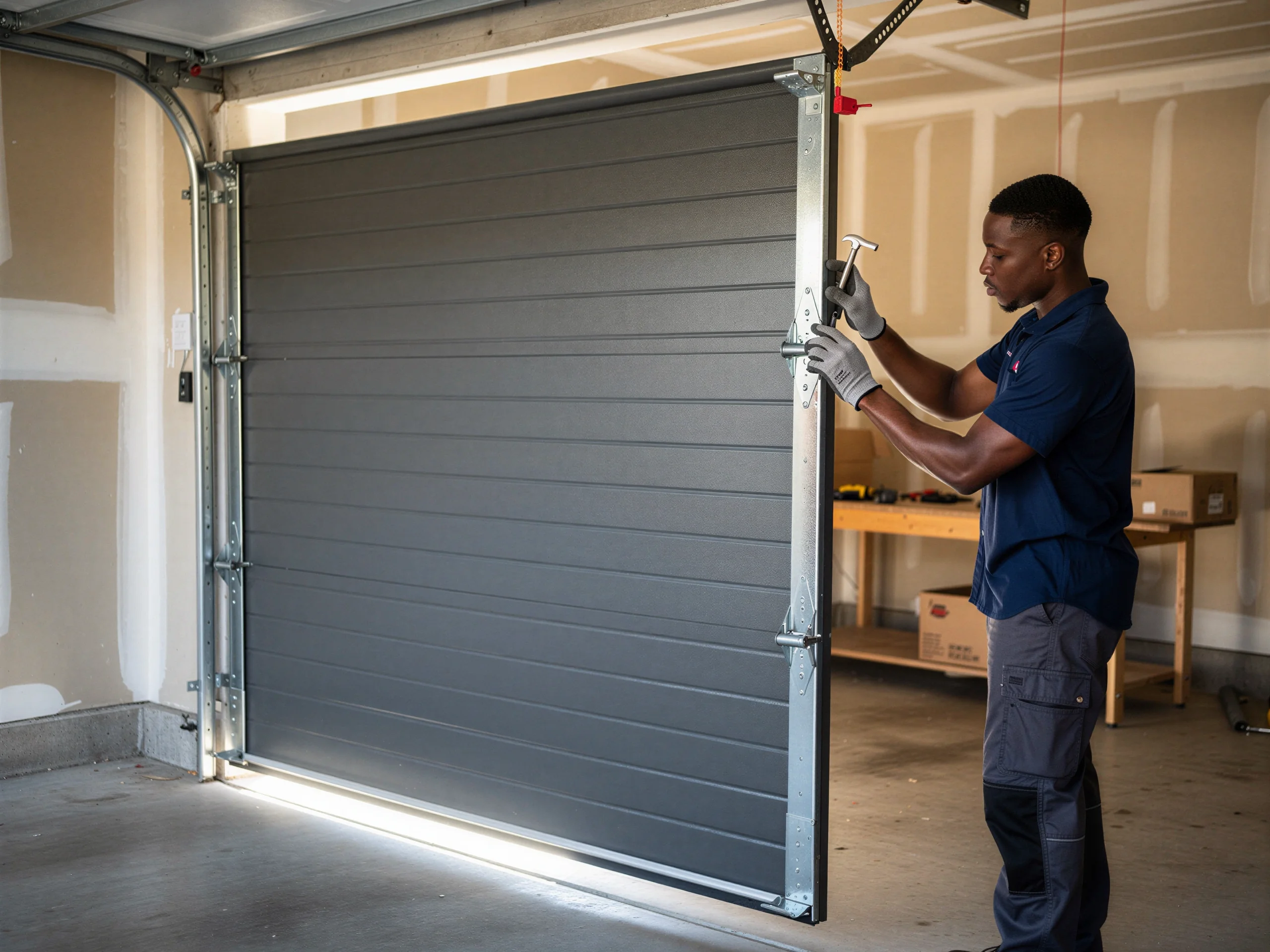
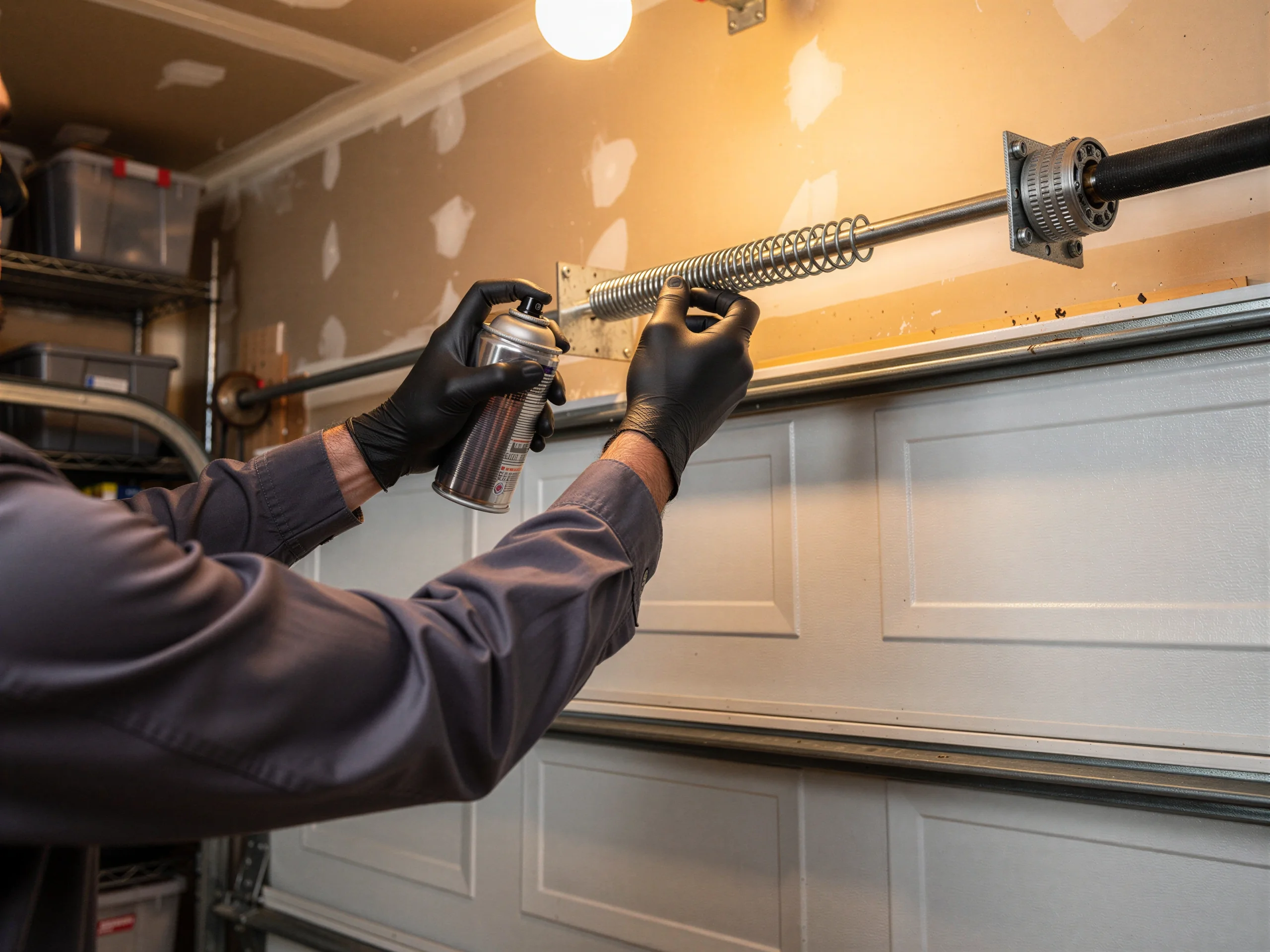
A proper maintenance visit on a house like this starts with a full visual pass - hinges, rollers, cables, bottom brackets - checking for the kind of hidden wear that painted-over 1930s and '40s hardware can mask. Then it's lubrication at every moving joint, a track alignment check, and a balance test to see whether the spring is still carrying the door's actual current weight, not the weight it was set for decades ago.
Weatherstripping gets checked too, since a gap at the bottom seal lets cold air and moisture in all winter, which accelerates the rust we see on older bottom brackets. Anything found loose gets tightened; anything cracked gets flagged rather than patched over.
Here's the honest limit: if a part on an original 1930s-era assembly is actually failing rather than just dirty, we're not always going to have an exact replacement on the truck. Hardware from that era isn't something every supplier stocks, and sometimes the right fix is a modern equivalent bracket or drum rather than a like-for-like part. We'll tell you when that's the case instead of forcing an old part back into service.
Talk to a local pro
Garage door service in Royal Oak?
Same-day service with honest, upfront quotes.