Parts We Carry
Huntington Woods homes run older than most of the stock we see elsewhere in the service area - median year built here is 1951, a few years ahead of the 1957 median across the wider territory.
Single-car opening sizes
That means a lot of single-car openings, narrower than today's standard 9-foot doors, and steel panel doors that replaced the original wood sections sometime in the decades since.
Narrow-opening spring stock
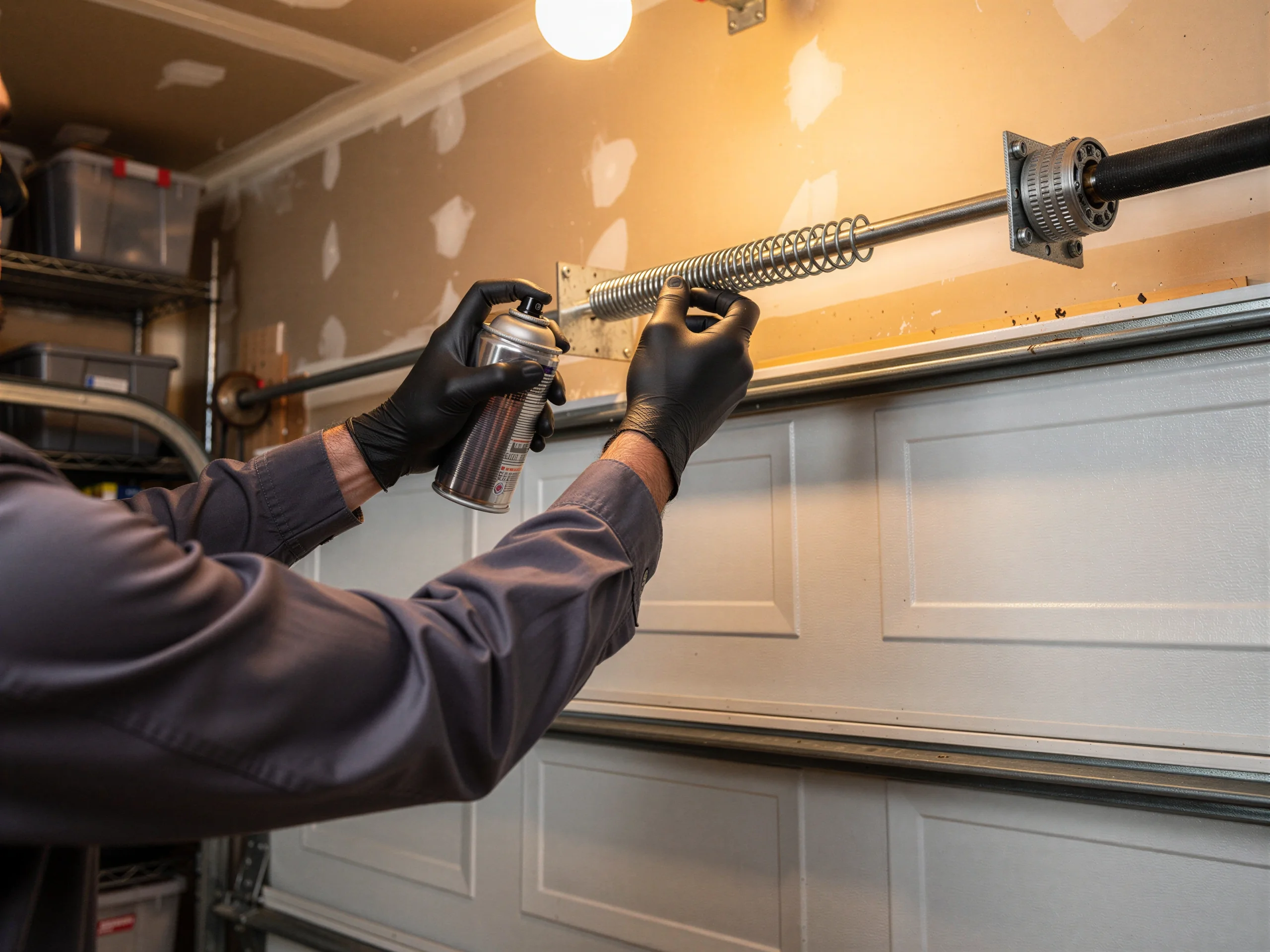
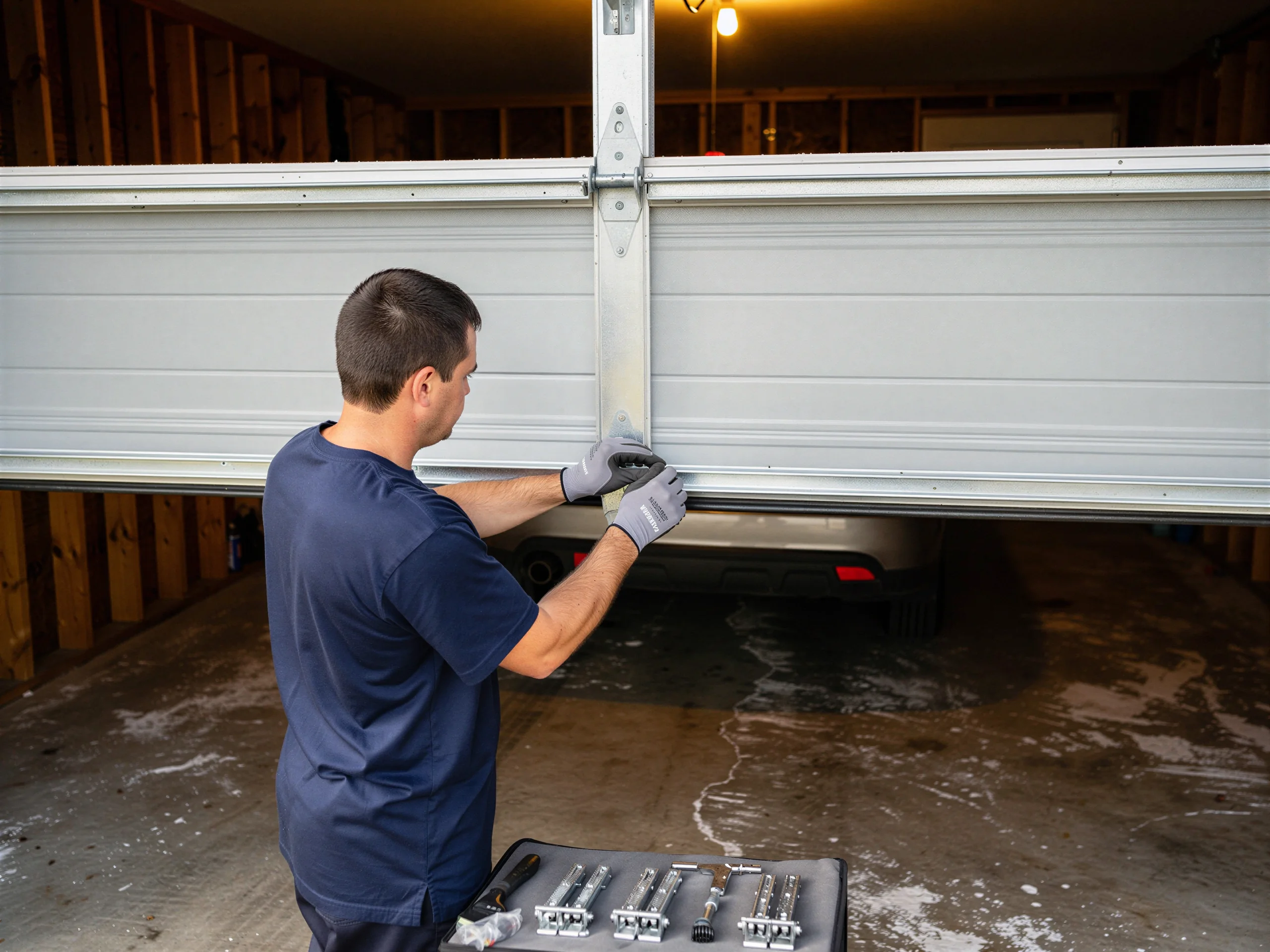
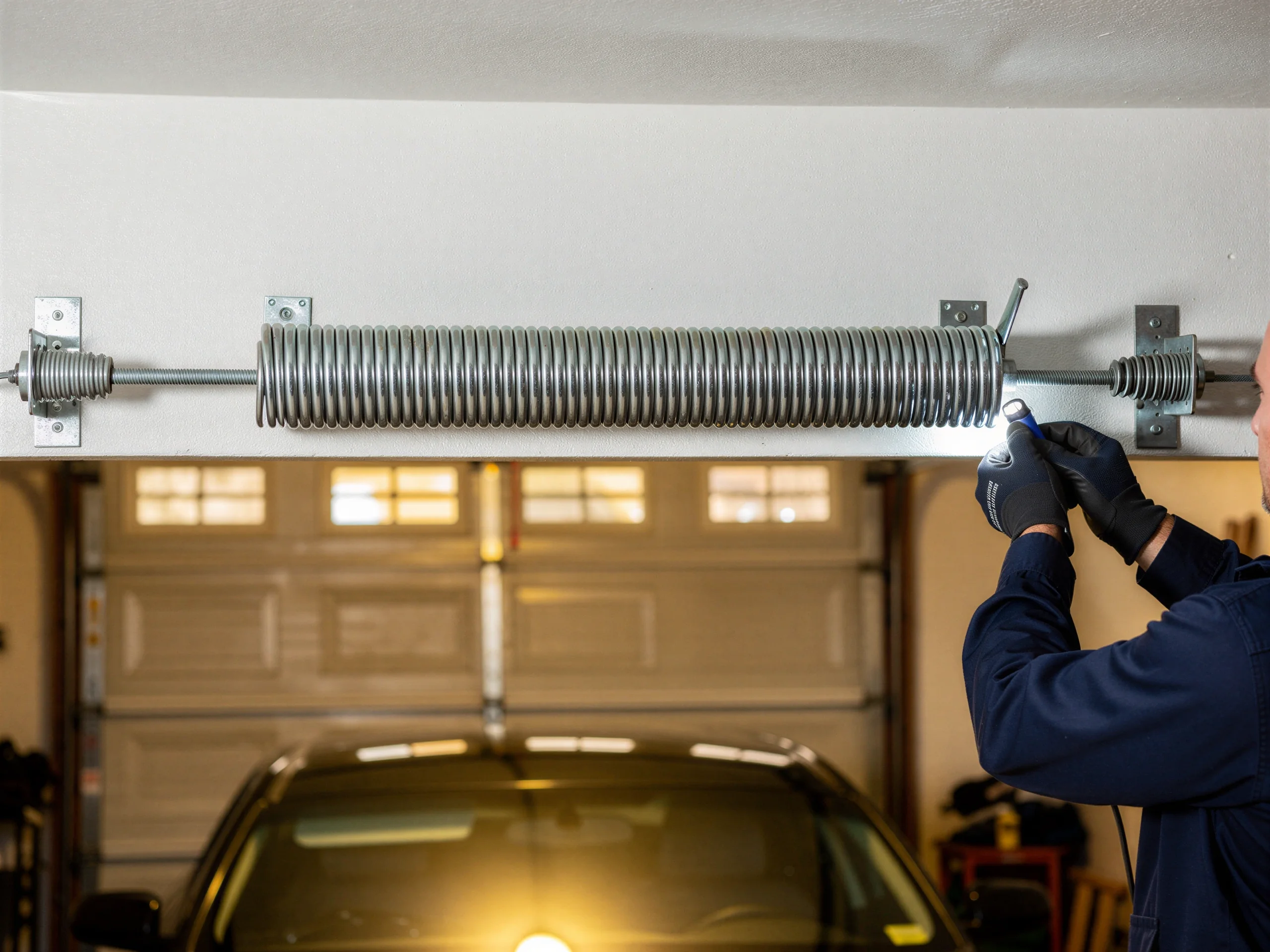
We carry torsion springs and extension springs sized for those narrower openings, rollers, lift cables, and center and end hinges that fit older track profiles. We also keep weatherstripping and bottom seals on the truck, since cold-climate houses this age tend to have gaps that widen as the frame settles.
Matched original panel gaps
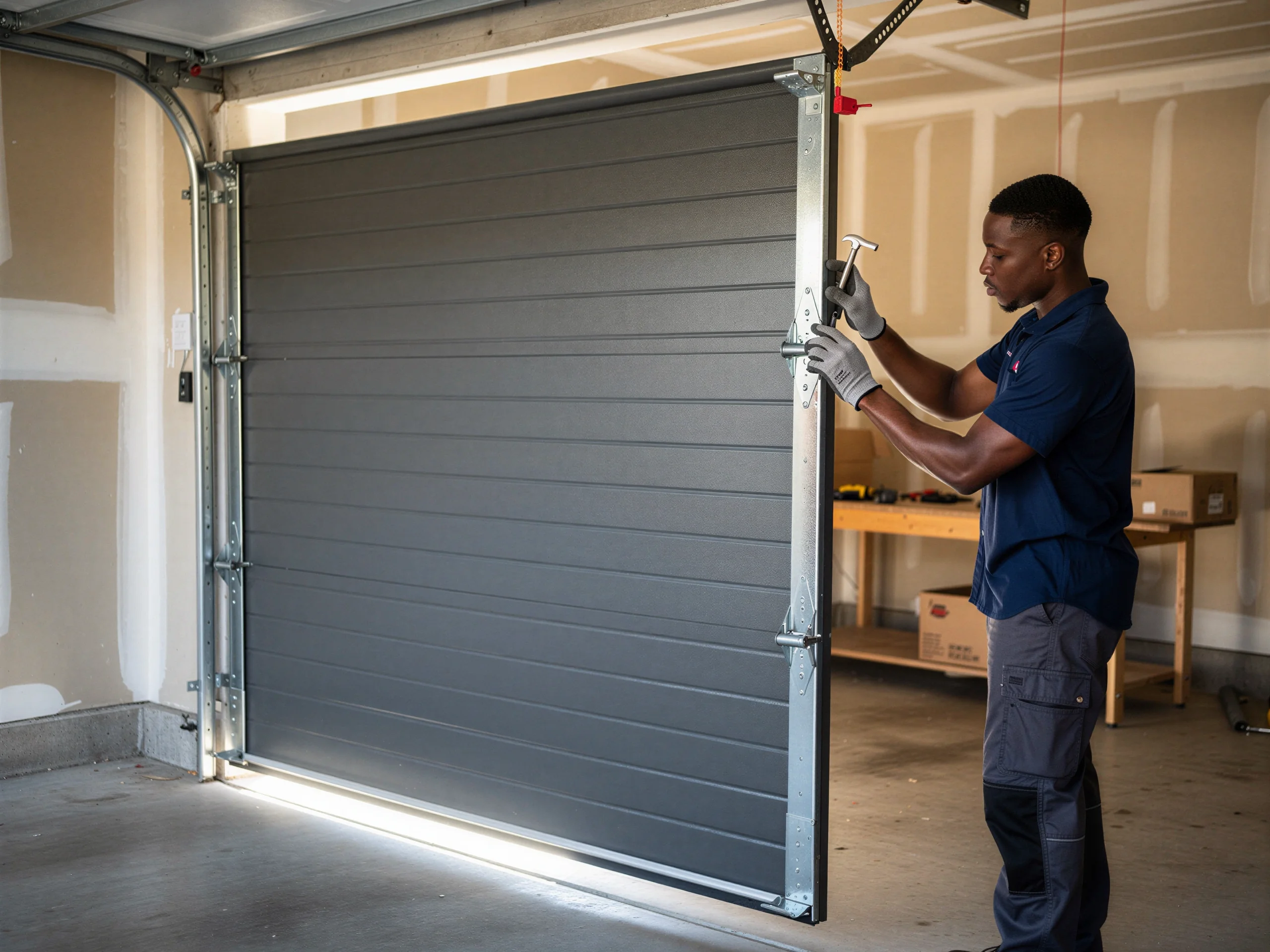
What we don't carry on the truck is a matched replacement panel for every original door style still on these garages - some of those profiles haven't been manufactured in years, and if a single panel needs swapping rather than the whole door, that can mean a special order. We'll tell you up front if that's the case rather than make you wait to find out.
Where This Job Goes Sideways
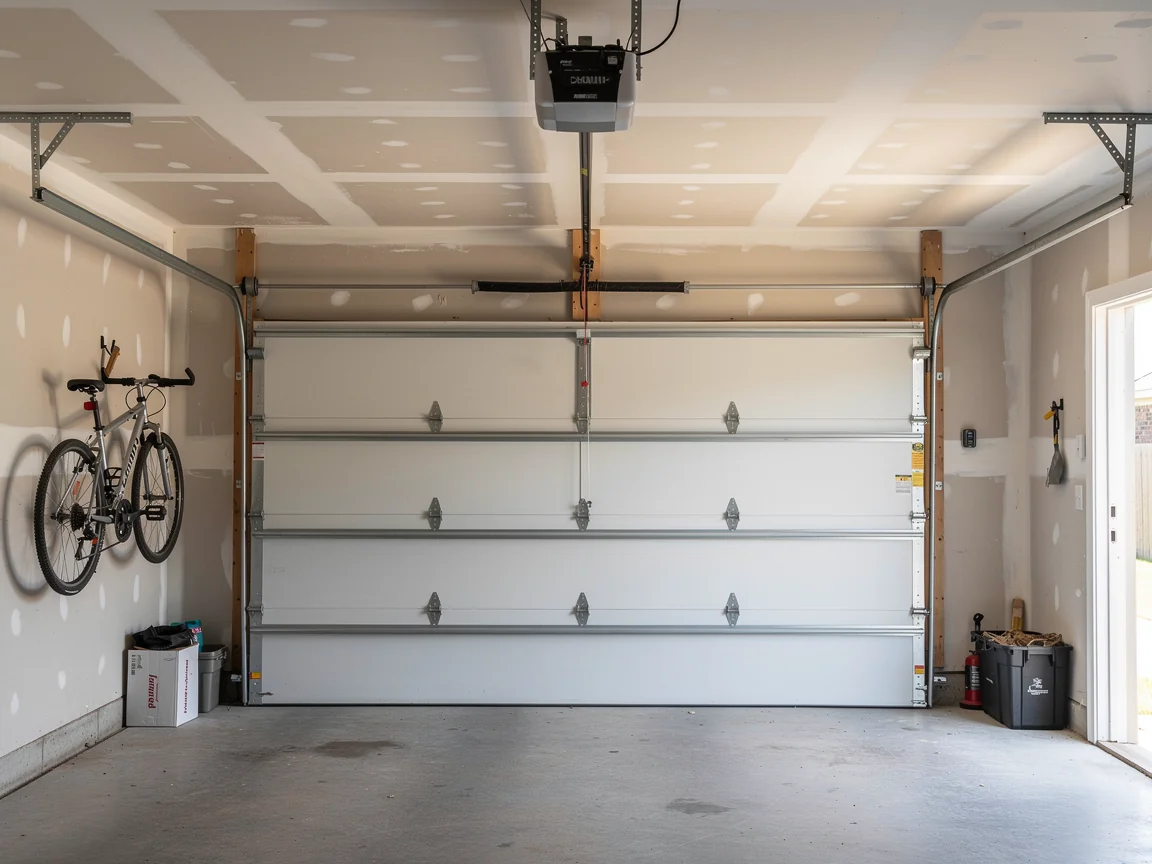
The most common wrong turn on a house this age is sizing the spring to the door instead of to the actual weight on the shaft, especially after a panel's been swapped at some point for a heavier steel one than the original wood.
Narrow-door alignment margin
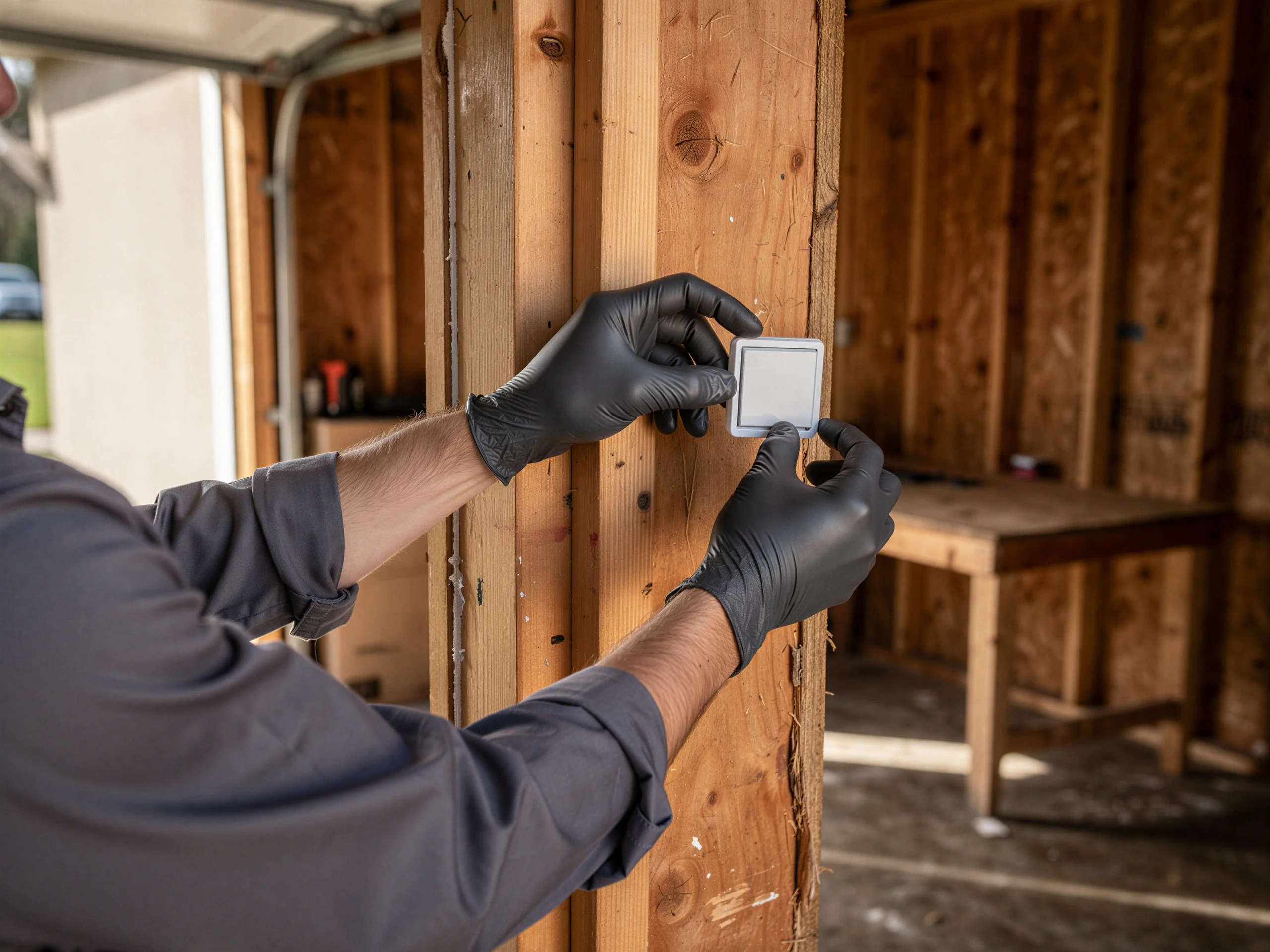
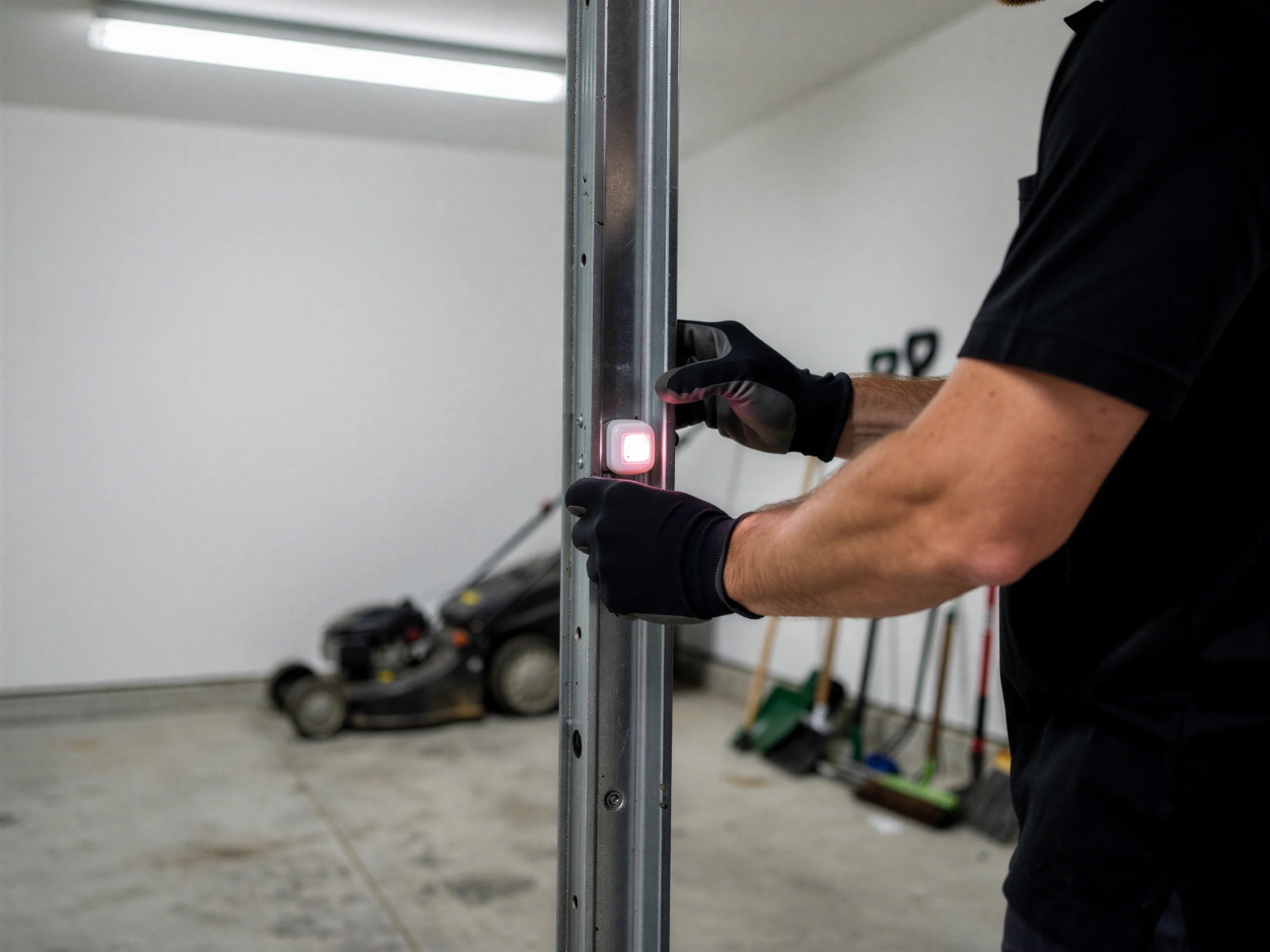
A narrower single-car door also means less margin for error on track alignment - a quarter inch off and the door binds the whole way up instead of just dragging at the top.
Later opener travel mismatch
We've also seen openers added decades after the original door went in, with the opener's travel limits never adjusted to match a door that's since sagged or been rehung. None of that is unusual for 1951 construction; it's just a different set of checks than a door built in the last twenty years.
Bent track straightening limits
The one thing we won't do is force a repair onto hardware that's actively failing - if the track is bent enough that straightening it would just put stress back on the rollers in a month, we'll say so and price the track replacement instead of patching around it.
What You Are Seeing
If the door is binding only in the coldest part of winter and running fine by spring, that's usually the track or the weatherstripping, not the spring.
Sagging and frayed cable
If it's sagging on one side when it's halfway up, or the cable looks frayed where it wraps the drum, that's wear that's been building for a while and it's worth calling before the cable lets go entirely.
Close-force reversal cause
A door that reverses on its own partway down is almost always the opener's close-force setting fighting a door that's gotten heavier or stiffer than it was when the opener was installed - common on houses where the opener was added well after 1951 and never recalibrated.
Roller riding bare metal
Loud grinding on the way up, especially on a narrower single-car door, often points to a roller that's worn past its bearing and is now riding on bare metal. None of these are emergencies that need to be worked around overnight, but none of them get better on their own either.
What Causes It Around Here
The service area sits in a cold climate zone with severe winter stress on garage hardware, and a door built to 1951 specifications wasn't engineered with today's spring cycle ratings or insulation standards in mind. Metal contracts in the cold, which tightens tolerances on an already narrow single-car track, and galvanized hardware from decades of installs and re-installs doesn't always hold up the same as what goes in new. Huntington Woods itself is a small town by household count - 2,325 households against 288,119 across the full area this company covers - so a lot of these garages share the same construction era and the same age-related wear showing up around the same time. Household income here runs close to $188,229, well above the $70,185 median for the service area as a whole, which tends to mean owners replace a worn opener or door sooner rather than running it to total failure - but the springs and cables underneath an otherwise well-kept door still age on the same clock as everyone else's.
The DIY Question
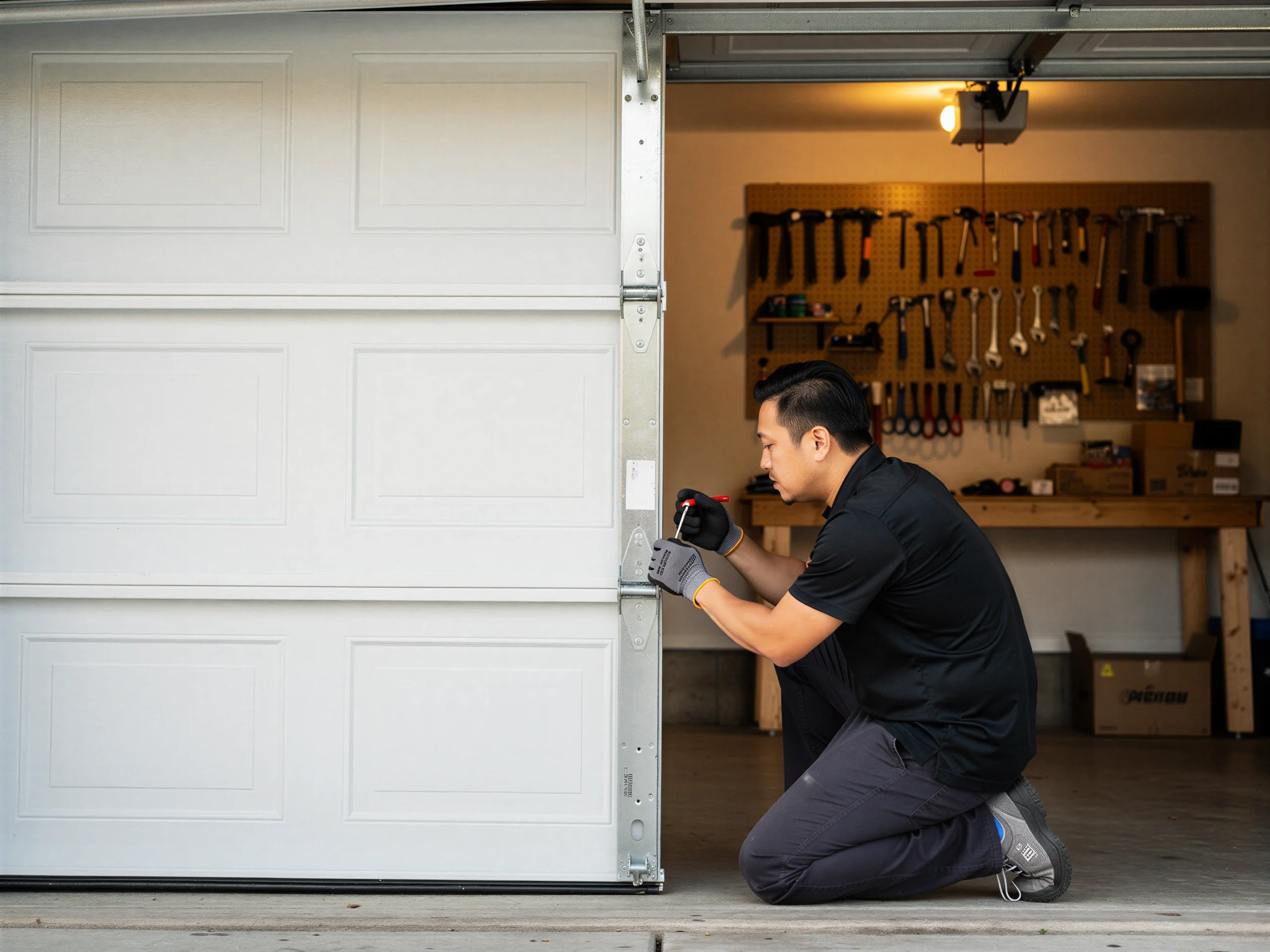
Swapping a roller or tightening loose hardware on a track is reasonable for most homeowners who are comfortable on a ladder.
Spring danger on 1951
A torsion spring is not - it's under enough tension to cause real injury, and on a narrower 1951-era single-car door the spring is often sized differently than what's sold off the shelf at a hardware store, which means a wrong guess doesn't just fail, it fails dangerously.
Safe self-checks
Cable work carries the same risk. We'll walk you through what's safe to check yourself - does the door bind at the same spot every time, is the opener's force setting too aggressive, is weatherstripping letting in enough cold air to stiffen the track - before we ever quote a repair.
Honest limit on parts
If it turns out to be a five-minute fix, we'd rather tell you that than bill for a visit. The honest limit here: if the original panel or track profile is no longer made and needs a special order, we can't make that part appear faster than the supplier can ship it.
How Long It Takes
A spring swap or roller replacement on a standard single-car door is usually a same-visit job once we're looking at it in person - most of the time on site goes into confirming spring size and checking the rest of the hardware, not the swap itself. Track straightening or alignment takes longer than people expect, because getting it right means checking the whole run, not just the bent section. The slow part, when it happens, is parts that aren't common stock - a panel matched to an original 1951 profile, or hardware for a track style that's not what's sold today. We'll give you a real estimate on timing once we've seen the door, rather than a number that fits every job the same way. The two miles in from Royal Oak doesn't add meaningfully to any of this - it's the parts and the door's own history, not the drive, that decide how long a job takes.
Talk to a local pro
Garage door service in Royal Oak?
Same-day service with honest, upfront quotes.