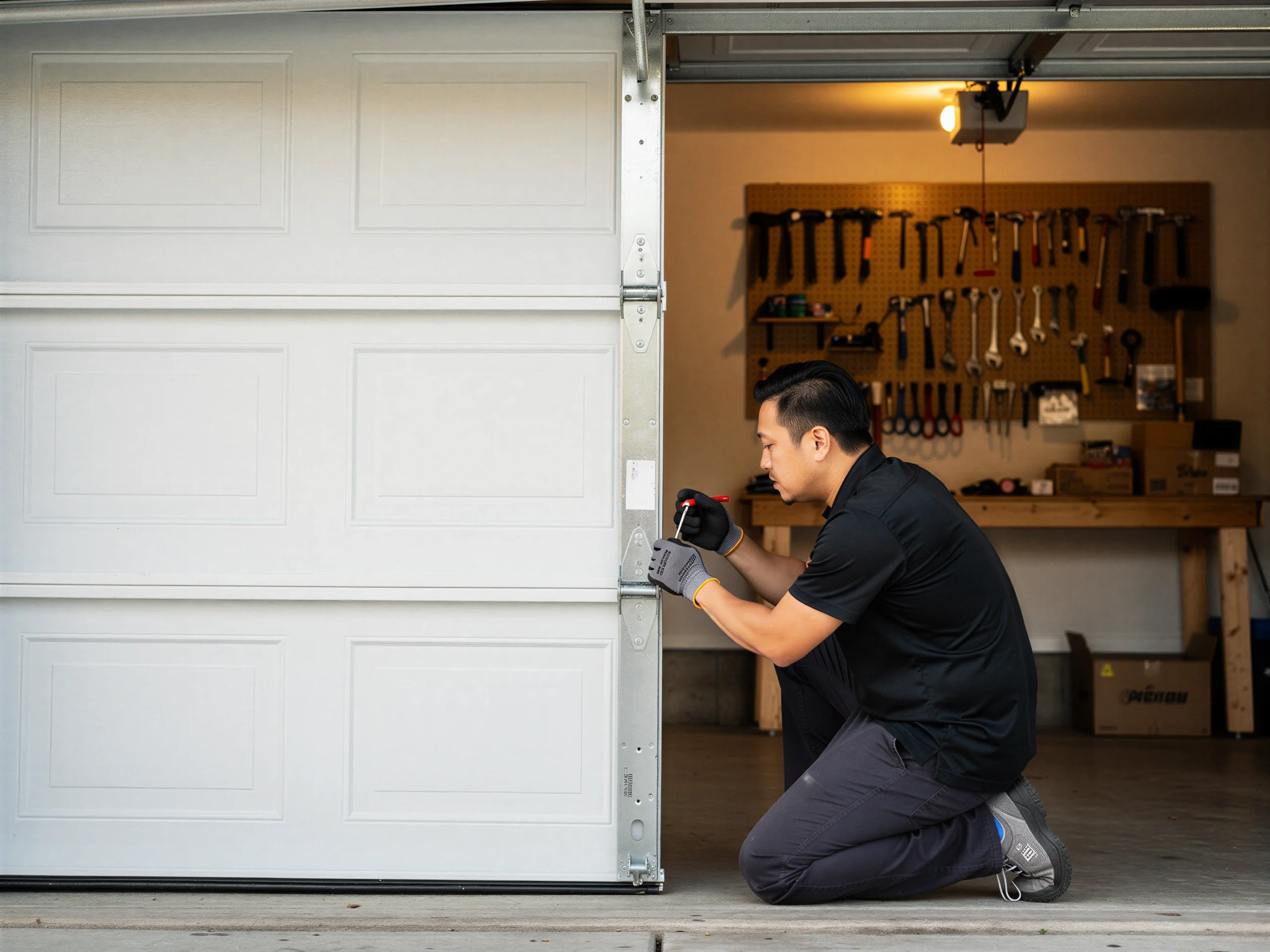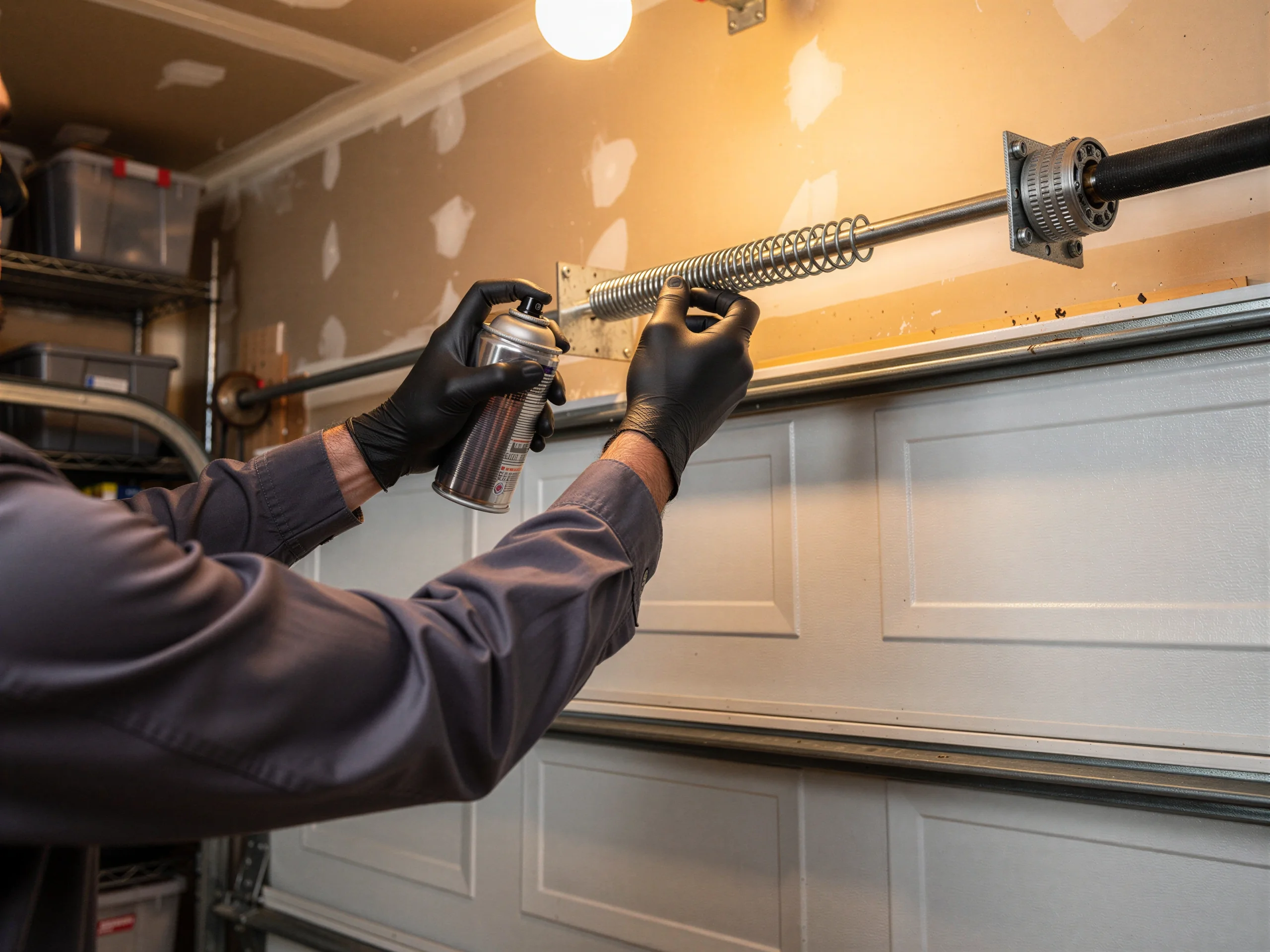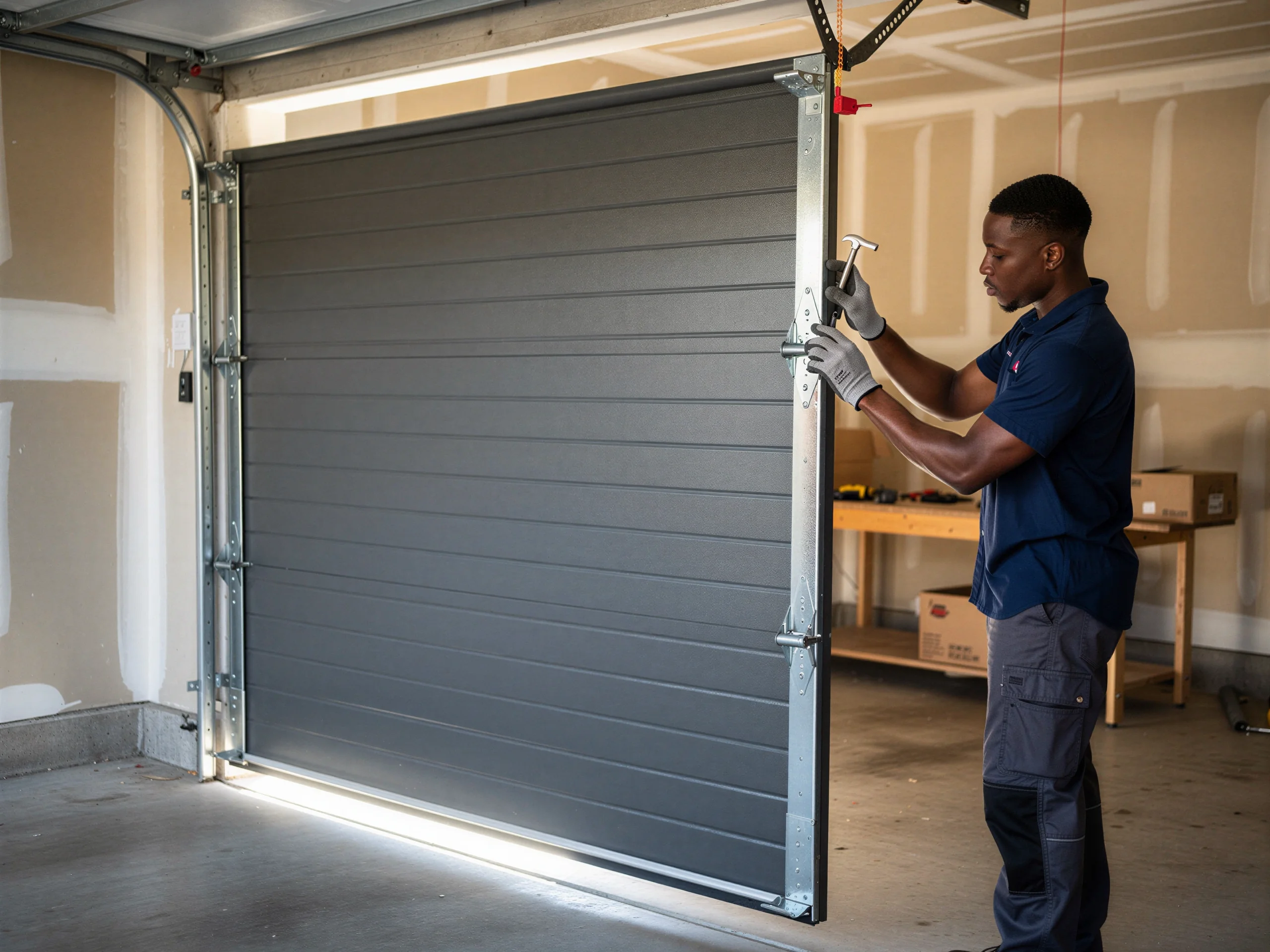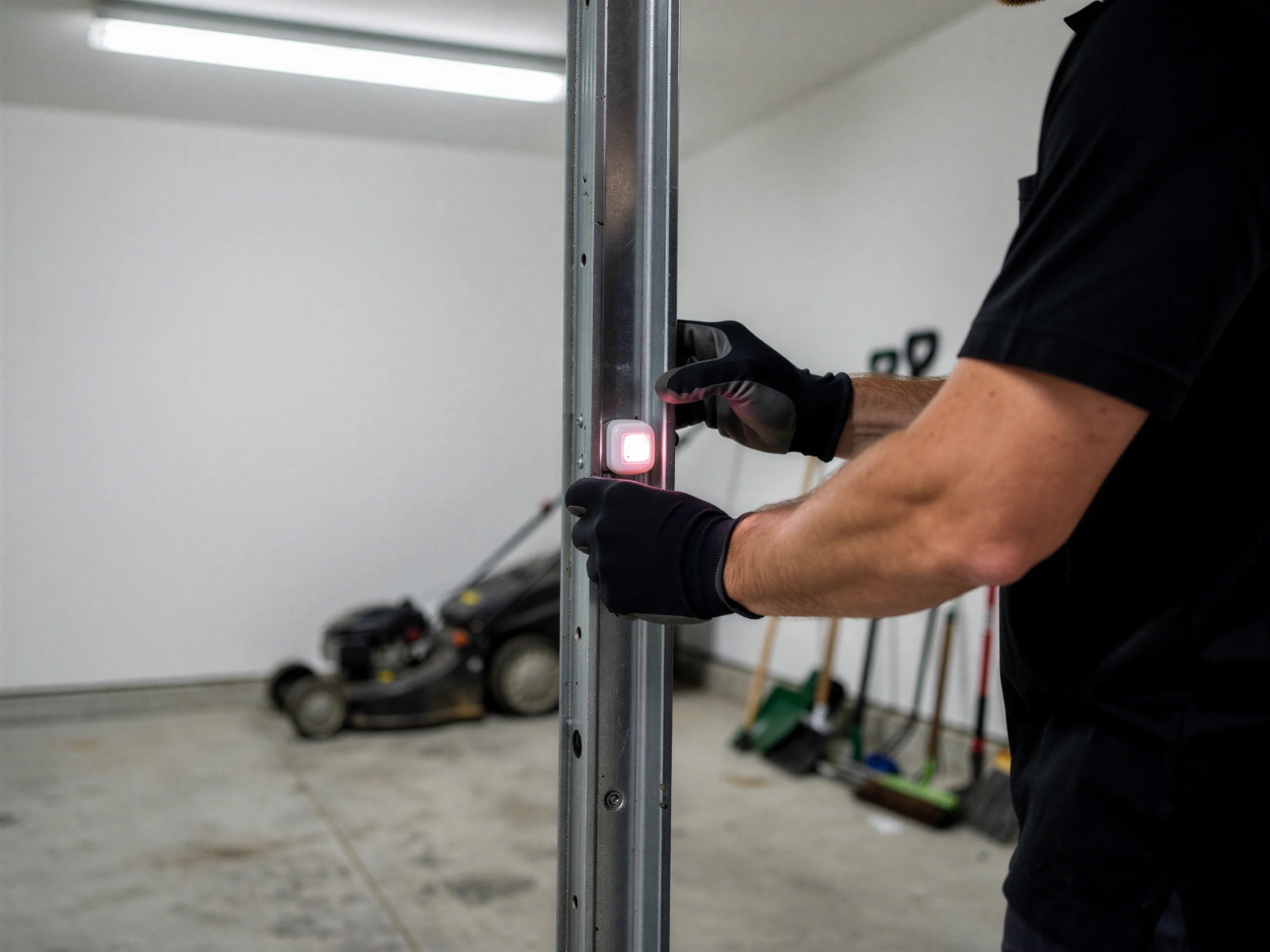
Parts We Carry
Huntington Woods carries a median household income of $188,229, well above the $70,185 median across the rest of our Royal Oak service area. That number matters here more than most places, because it moves the math.
Repair versus new cost
On a house where the opener is original to a 1951 build, a $400 repair bill isn't a hard sell against a $900 new unit, and most owners here choose the new unit once they hear the old one has no safety reversal sensors.
Drive horsepower matching
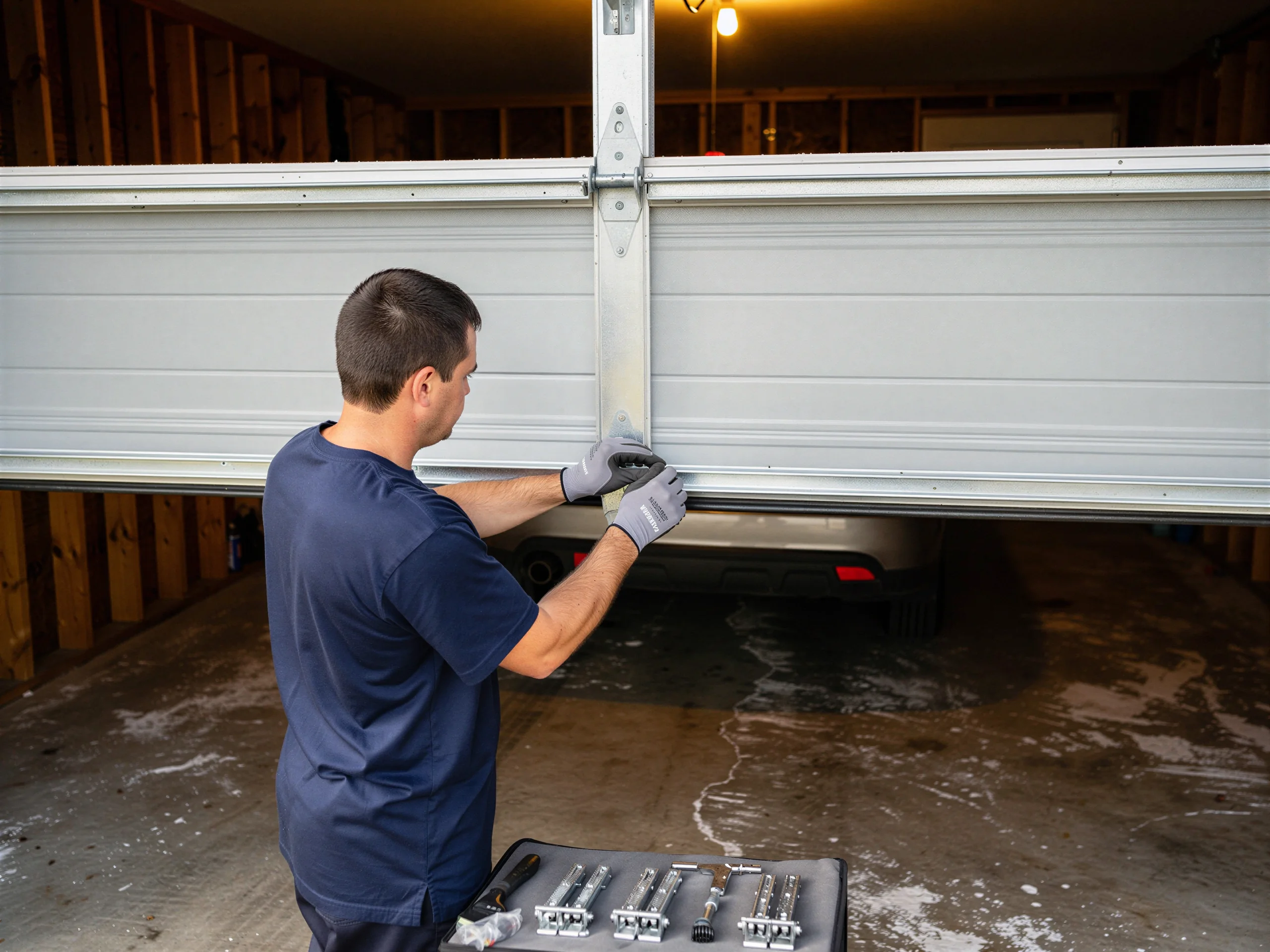
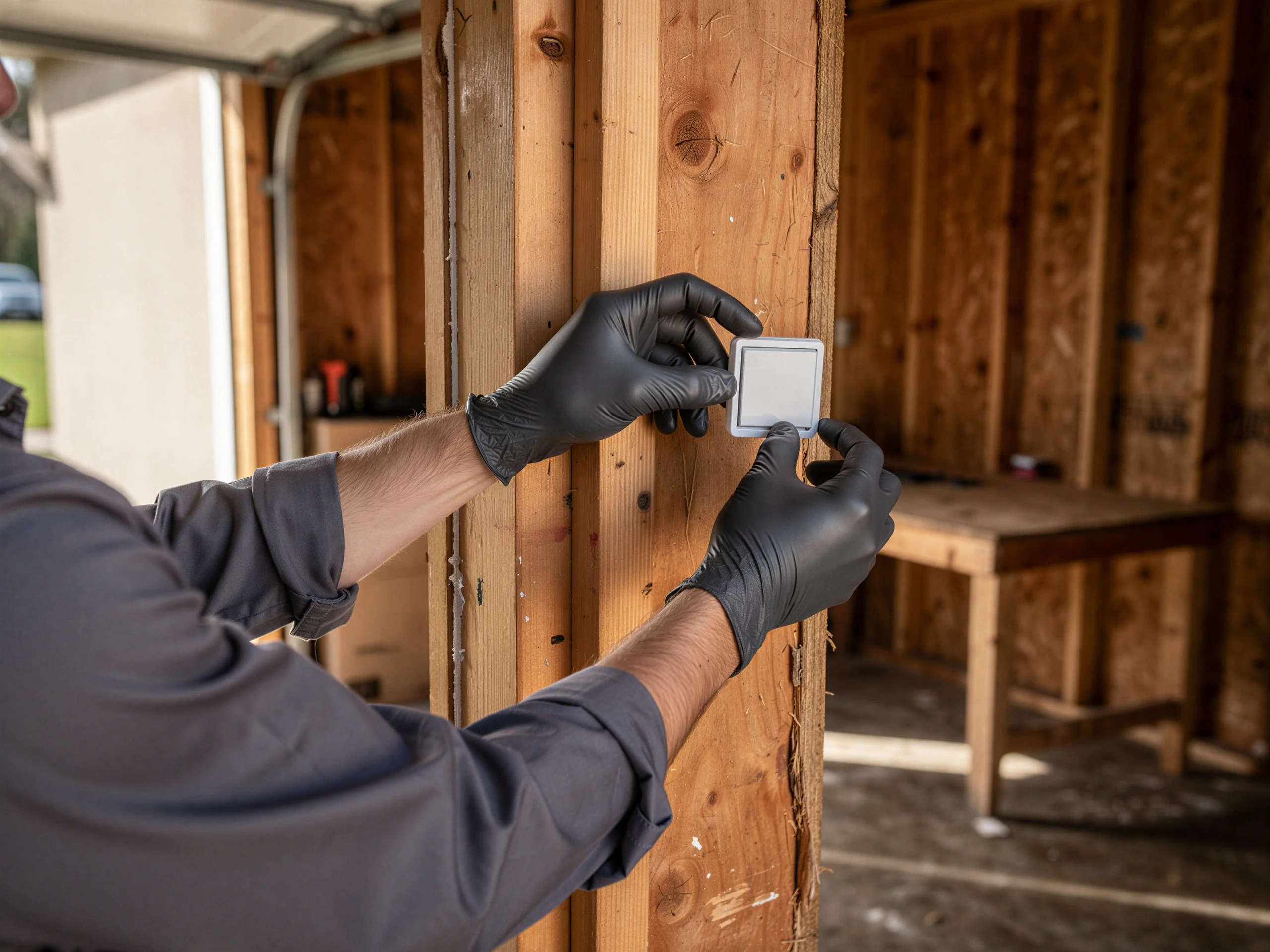
We carry belt-drive and chain-drive openers in the horsepower ranges that match the door sizes common to this era of build, along with the wall-mount brackets that older low-headroom garages need. We also stock the wiring harnesses and safety sensor kits that retrofit onto openers from houses where the original unit predates photo-eye requirements entirely.
Pull-chain release swap
If your garage still has the pull-chain manual release and no sensors at all, that's the first thing we swap, regardless of what opener you pick. We don't carry every proprietary remote or keypad on the market. If you want to match a very specific smart-home ecosystem, tell us before the job, not after, since some of those parts carry a longer order lead time than a standard install.
Where This Job Goes Sideways
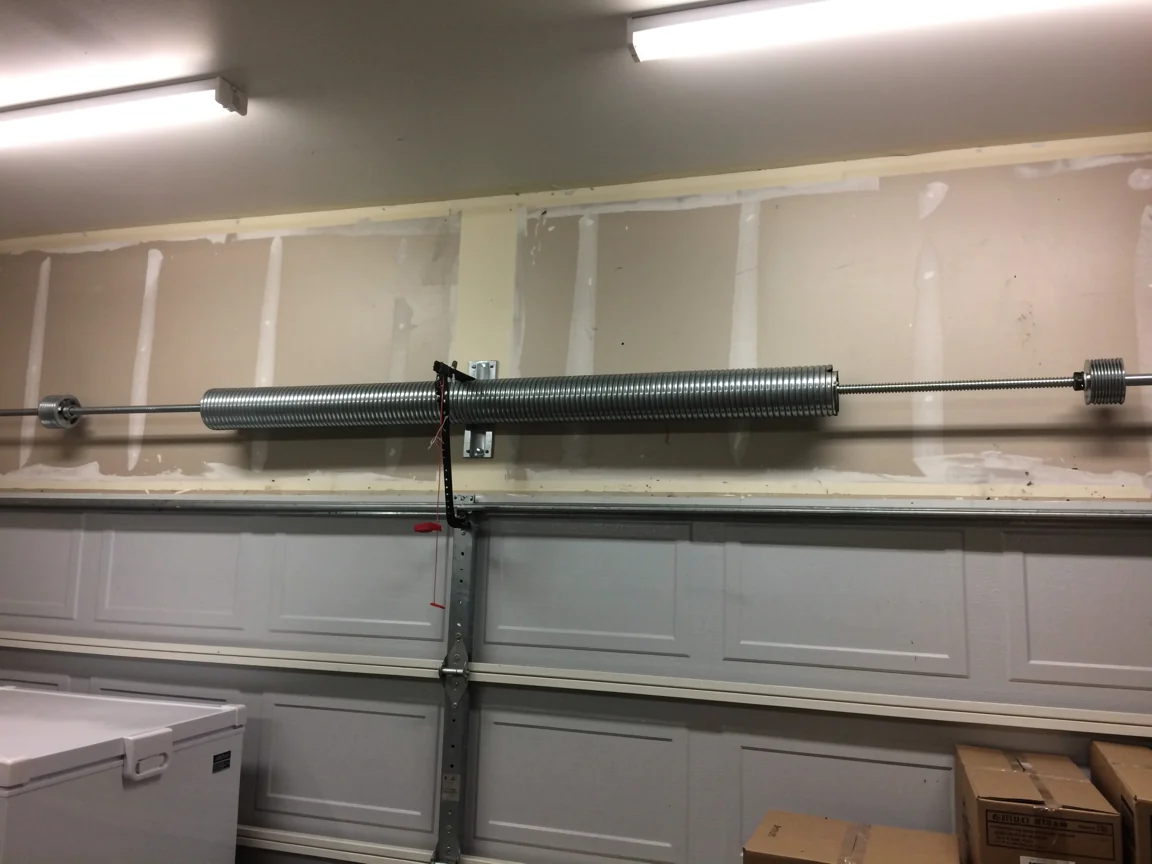
The trouble in Huntington Woods isn't usually the opener itself. It's what's behind the wall it bolts to. Houses here went up mostly in 1951, which means ceiling joists and header framing built for a hand-cranked or chain-pull door, not a motor unit pulling against a torsion spring.
Missing rail blocking
We've opened ceilings here to find no blocking at all where the rail bracket needs one. The second sideways turn is the electrical. A lot of these garages were wired once, decades ago, for a single bulb, not a dedicated outlet.
Outlet near header
Running new circuit work isn't something we do as part of an opener install, so if your garage has no outlet near the header, that's a conversation to have before we show up, not during. Third, and this one surprises people: the door itself.
Spring balance pre-check
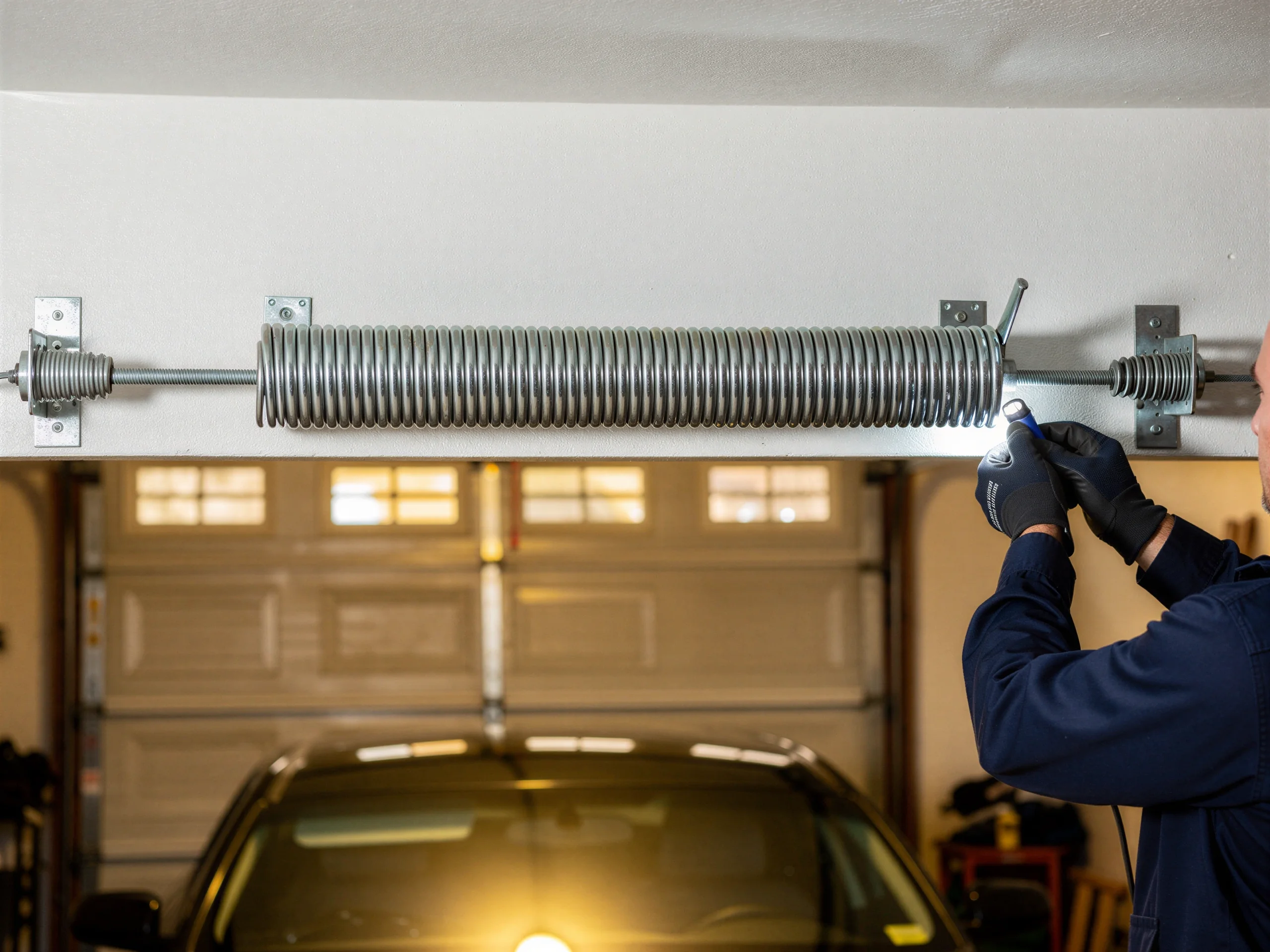
An opener rated for a standard door will fight a heavier, poorly balanced one built to older spring tension, and it'll wear out the gears faster than the warranty card suggests. We check spring balance before we mount anything, every time, because skipping that step is how you get a callback in eight months instead of a job that holds.
What You Are Seeing
If your opener is original to a Huntington Woods house built around 1951, you're likely seeing one or more of three things: a motor that runs but the door barely moves, a unit that reverses on its own halfway up, or a remote that's stopped working while the wall button still does.
Stripped gear versus balance
The first usually means the drive gear has stripped. The second is almost always a spring balance issue, not an opener fault, something that gets blamed on the motor when it isn't the motor's job to fix.
Dead frequency board
The third is often just a dead frequency board, cheap to replace on a newer unit, not worth chasing on anything installed before photo-eye sensors were standard. We also see chain-drive units here that have never been lubricated, which in a cold-severe climate band is a slow failure, not a sudden one.
Cold chain capacitor strain
The chain stiffens, the motor strains to pull it, and eventually the capacitor gives out trying to force a cold start. If your opener groans before it moves on a January morning, that's what's happening, and it's a sign the unit is near the end, not something a tune-up fixes for good.
What Causes It Around Here
Two things line up in Huntington Woods that you don't get everywhere. First, the housing stock: most of it dates to 1951, square in the middle of the 1938 to 1990 range that covers this whole area, and that means original garage structures sized and wired for the openers of that decade, not this one. Second, the climate band here is rated cold-severe, and that combination is what actually breaks openers, not age by itself.
Cold-severe winters mean grease inside a chain-drive unit thickens every year it isn't serviced, and a motor built in the 1980s or 90s doesn't have the torque reserve to push through stiff chain on a ten-degree morning. It strains, overheats slightly, and the capacitor goes. That failure pattern shows up far more in houses with original 1950s-era garage framing than in anything built after code updated for insulated doors and better-sealed openings.
We're not going to tell you the cold caused a specific breakdown we didn't see. But the pattern across houses this age, in this climate band, is consistent enough that when someone calls about a dead opener in January, we already have a guess before we ask a single question.
The DIY Question
Mounting an opener bracket and running a rail isn't beyond a handy homeowner. The part that goes wrong is the spring and cable work next to it, and on a house with original 1950s hardware, that's not a place to learn on the job.
Side-mounted spring hazards
Torsion springs under tension have put people in the hospital, and a lot of Huntington Woods garages still have the older style, side-mounted setups that don't match what current YouTube tutorials show.
Weekend DIY conditions
If you're comfortable with wiring and your garage already has a clean outlet and solid header blocking, swapping a modern opener onto existing hardware is a reasonable weekend project. If any of those three things isn't true, the risk isn't really about the opener, it's about the stuff around it that a DIY install exposes rather than fixes.
Structural carpentry limit
Our honest limit: we don't do the structural carpentry if your header needs rebuilding to carry a new motor mount. We'll tell you that up front rather than bolt an opener to blocking that won't hold, and we'll point you to someone who handles that kind of framing repair.
How Long It Takes
A straightforward swap, where the existing bracket, header blocking, and outlet are all sound, is a same-visit job. Where it stretches out is the stuff this age of house tends to hide: missing blocking, undersized wiring, or a door whose springs need rebalancing before the new opener goes up. We check those before we quote, not after, so you're not surprised mid-job.
We travel from our Royal Oak shop, about two miles from Huntington Woods, so getting here isn't the bottleneck. Parts availability can be, especially for less common belt-drive units or smart-opener modules that aren't stocked on the truck. If your job needs a special order, we'll say so at the estimate, not the day we're supposed to install it.
See our service area coverage for how this fits the rest of what we cover, or check the Royal Oak opener installation page for the broader rundown on makes and models we install across the area.
Talk to a local pro
Garage door service in Royal Oak?
Same-day service with honest, upfront quotes.