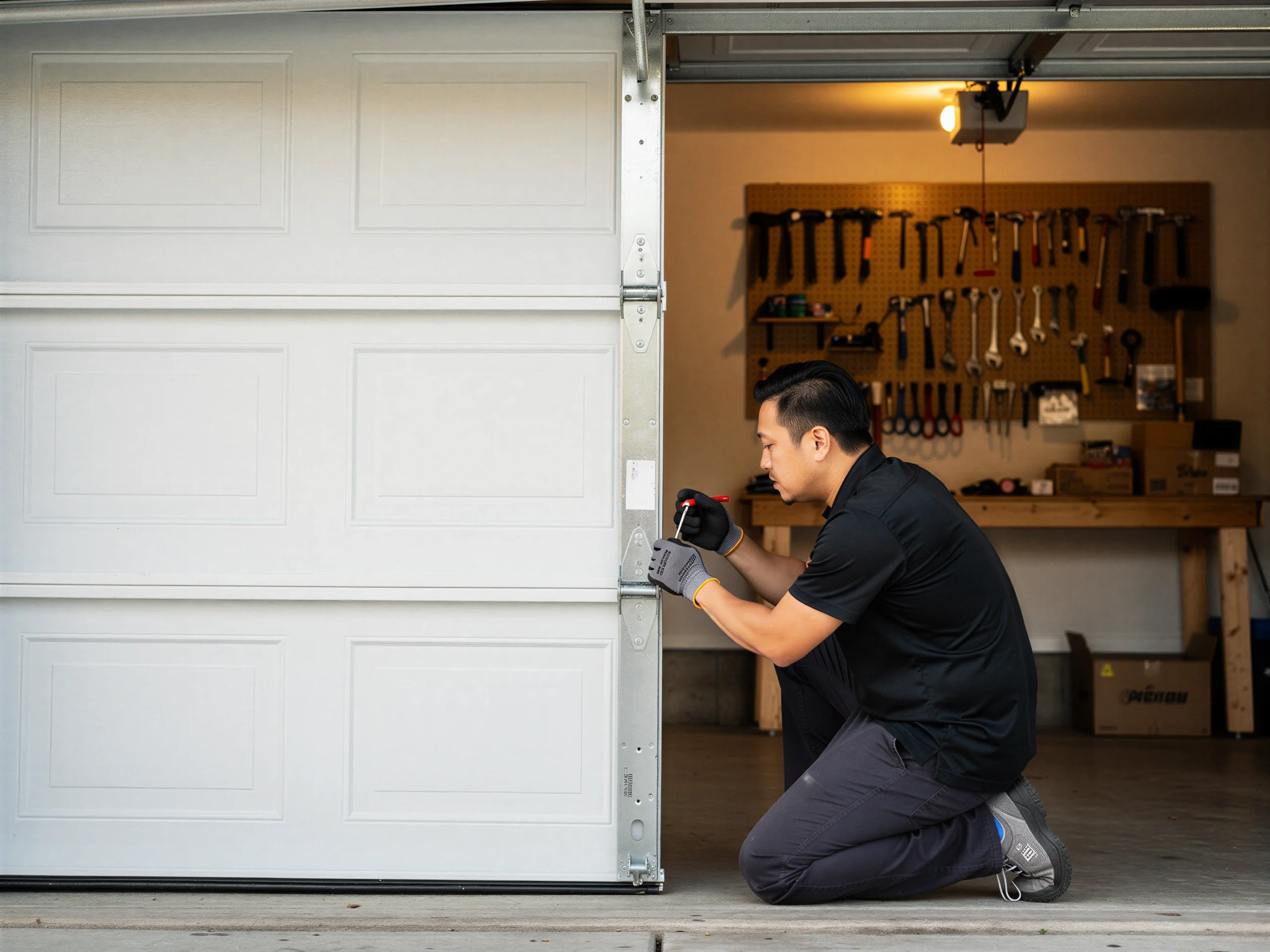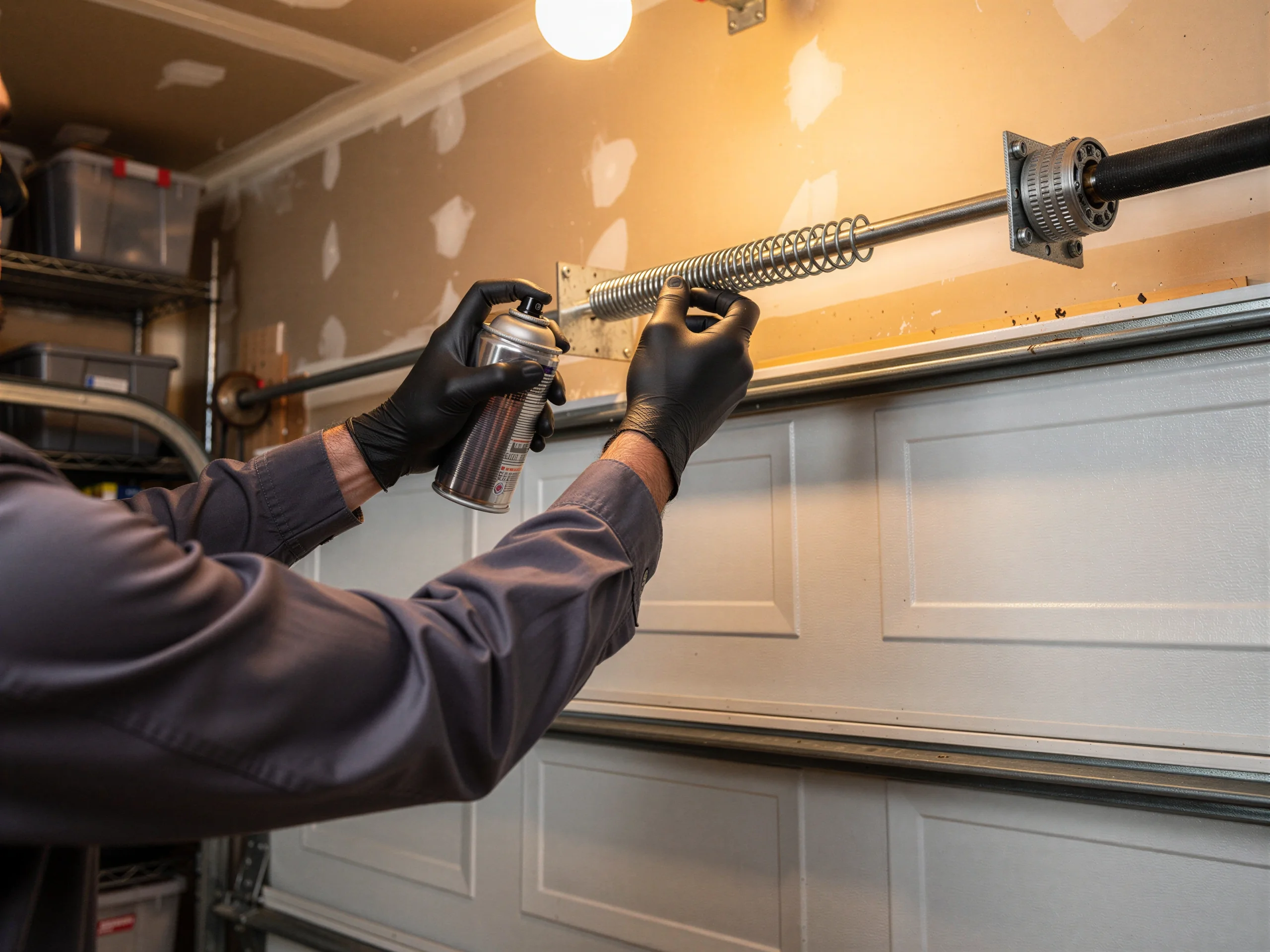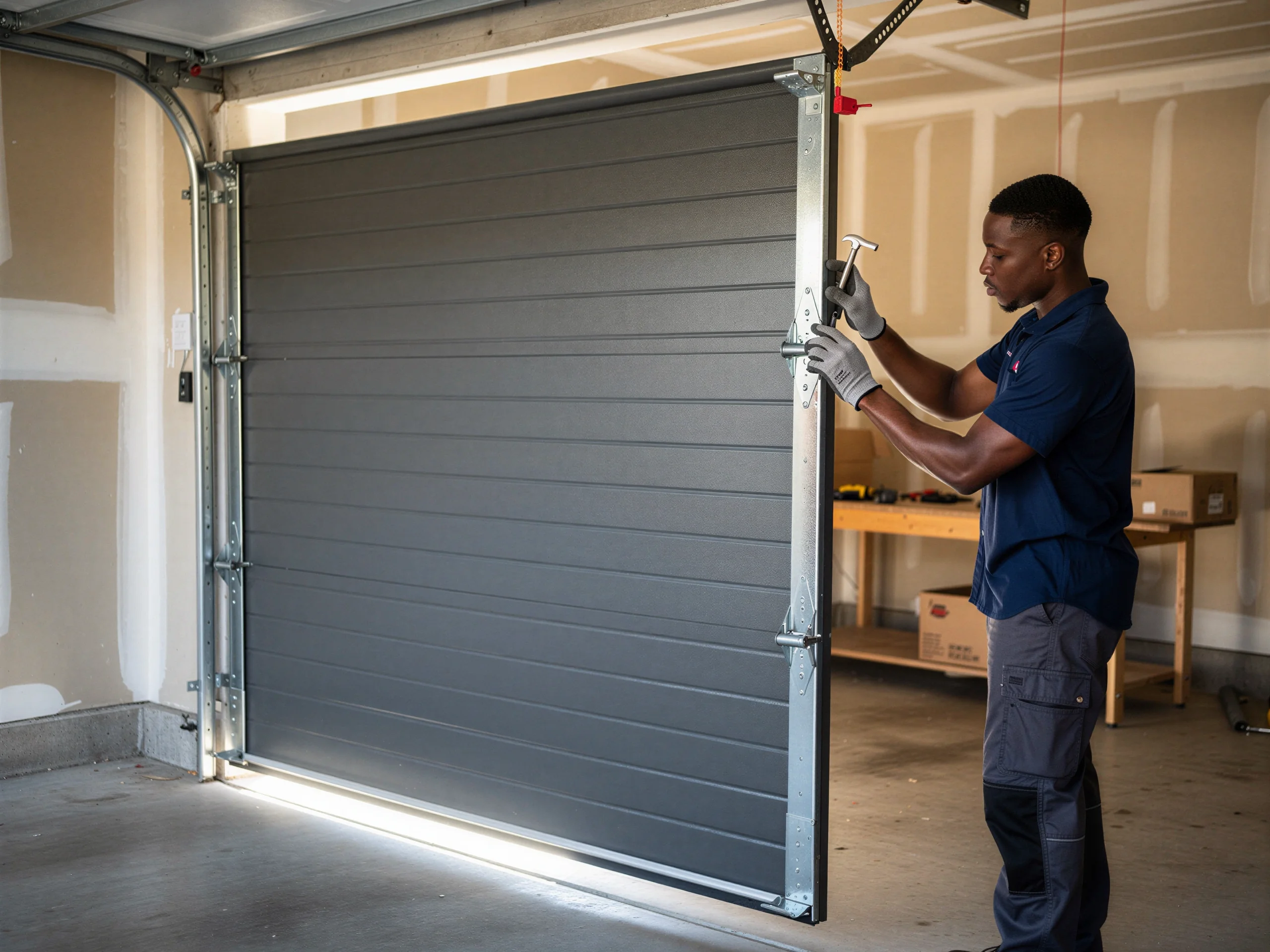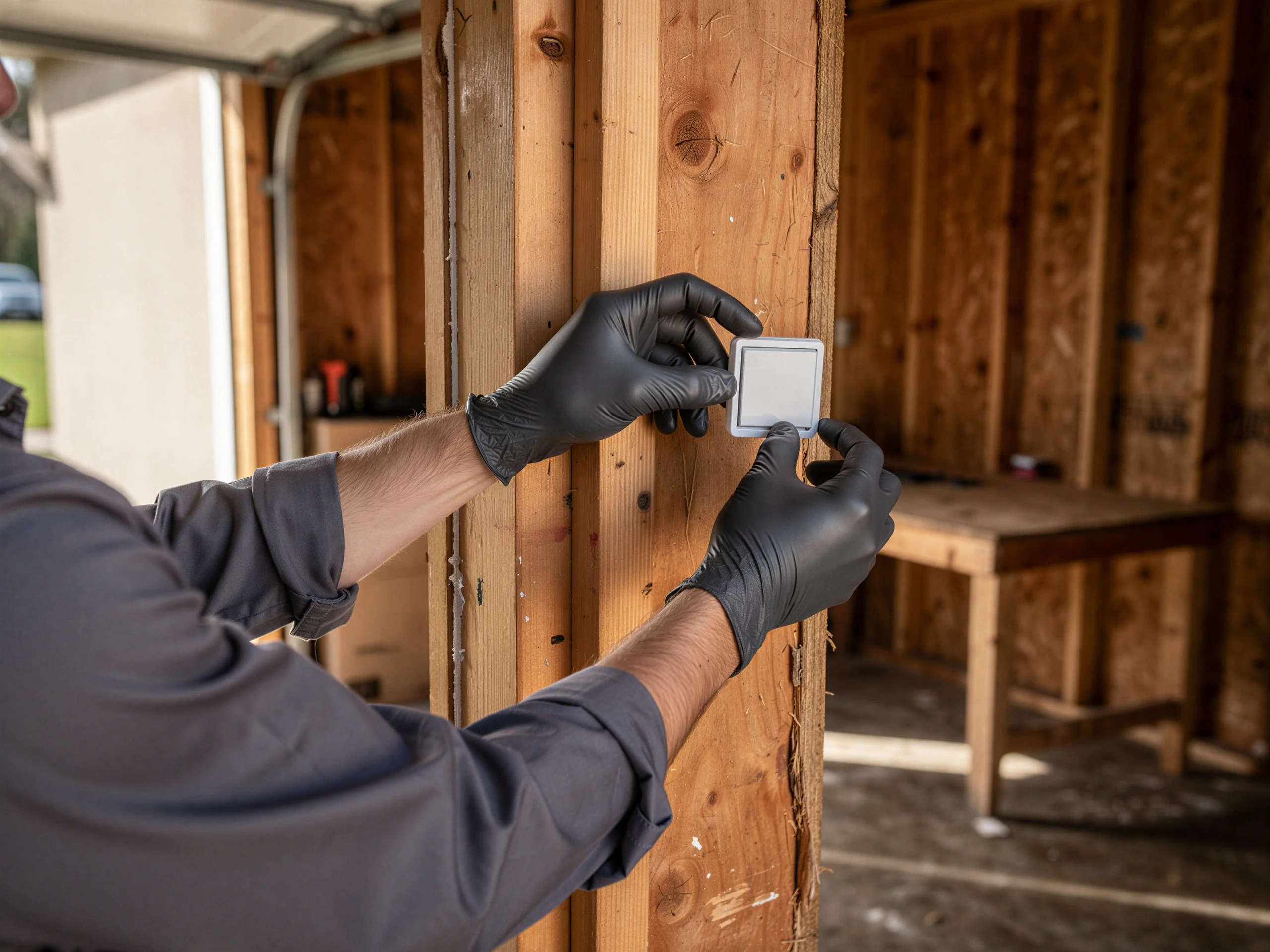
Parts We Carry
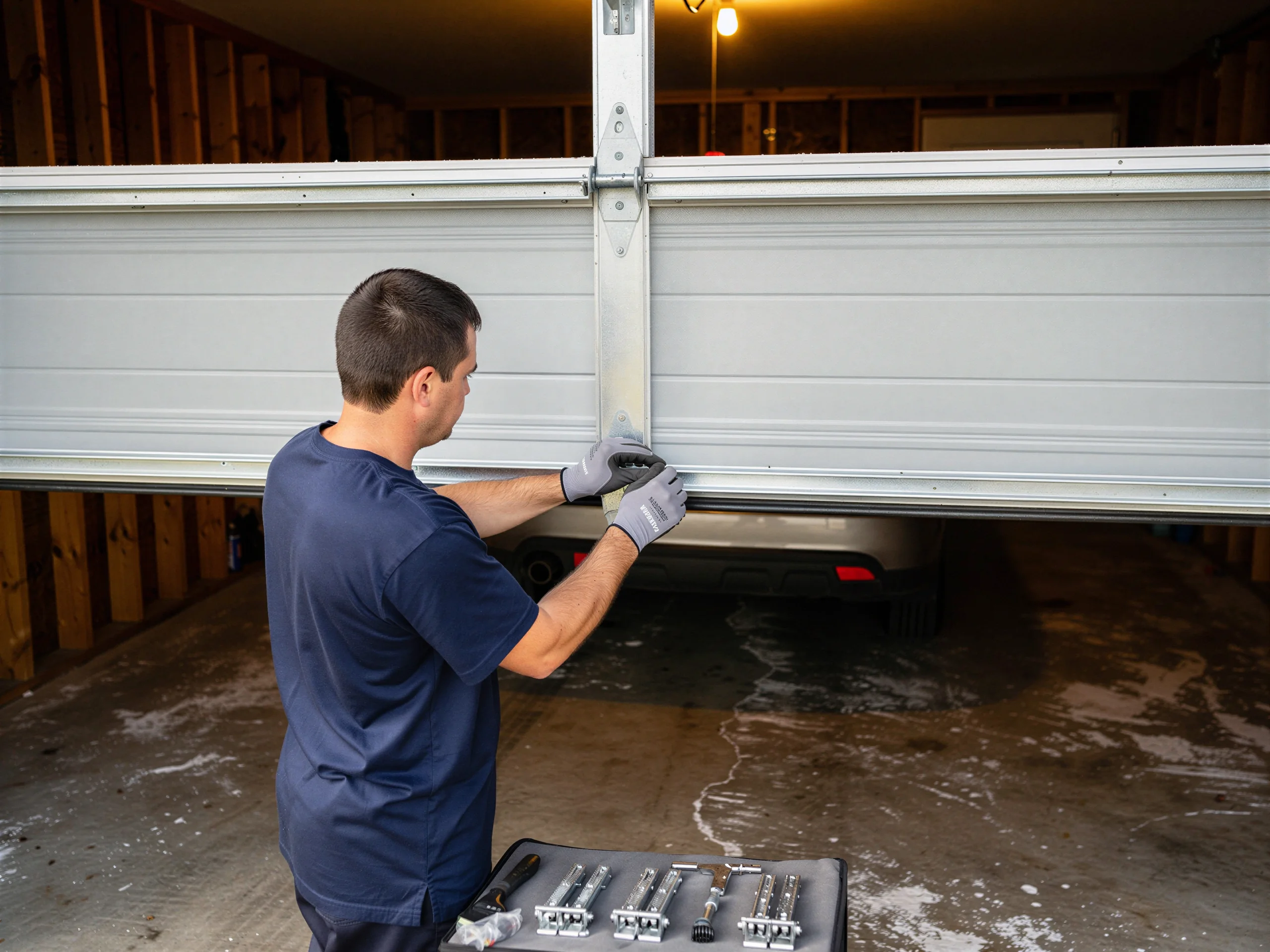
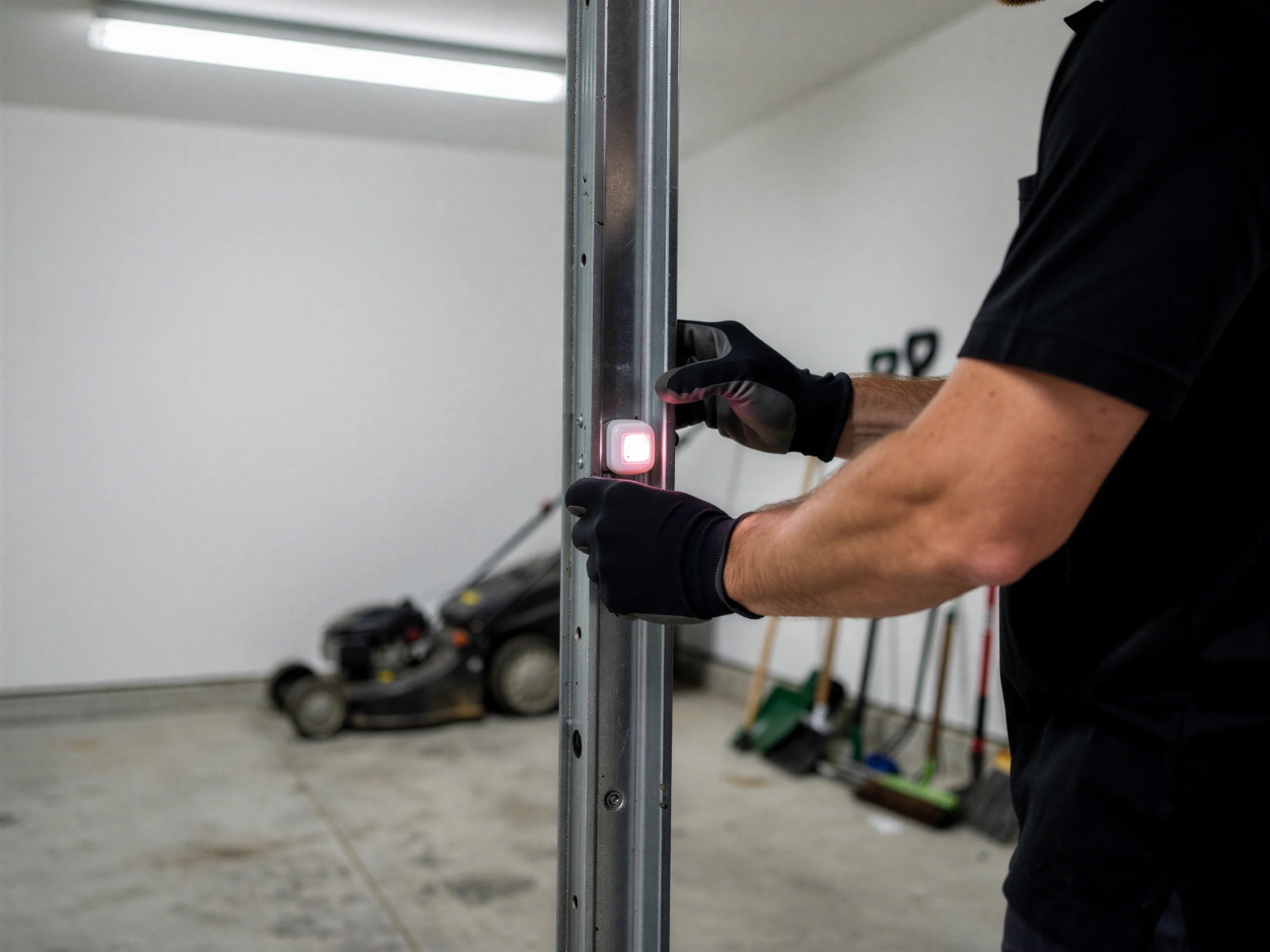
Royal Oak's broader service area spans houses built anywhere from 1938 to 1990, with a median around 1957. Huntington Woods sits older than that median, with most homes going up closer to 1951. That six-year gap matters more than it sounds: openers from that build era were retrofitted in waves, so a single block here can mix a chain-drive unit from the 80s next to a belt-drive from the 2000s, both bolted to the original framing. We carry logic boards, drive gears, trolley carriages, and safety sensor kits that cover the chain and belt-drive units most common on these retrofits. What we don't stock is obsolete screw-drive hardware from certain discontinued brands - if your opener is one of those, we'll tell you straight that a new unit is the faster, cheaper path over waiting on a part.
Where This Job Goes Sideways
The job goes sideways when the opener gets blamed for a door problem. On houses from this era, the original wood jambs have often shifted slightly over seven decades, and a door binding in the track will trip an opener's force sensors long before the opener itself is at fault.
Logic board misdiagnosis
We've seen owners replace a perfectly good logic board when the real issue was a track out of plumb. Another spot it goes wrong: homeowners reset the force or travel limits to fix a 'not closing' complaint, which masks a weakening spring instead of solving it.
Local diagnosis first
With only 2,325 households in Huntington Woods, we're not running a high-volume shop here - we come from Royal Oak, about 2 miles out, so we'd rather diagnose it right the first visit than make a second trip for something we should have caught.
What You Are Seeing
Reversing on contact, a motor that hums but doesn't lift, a remote that works intermittently, or a wall button that does nothing while the remote still fires - these are the usual calls. On a 1951-built house, the symptom often traces back to the opener bracket itself, since many of these homes were never built with a garage opener in mind and the unit was hung later on added blocking that's loosened with age. If your opener light blinks a set number of times and shuts down, that's usually a diagnostic code pointing at the sensors or the drive system, not a mystery fault. We read those codes on-site before opening anything up.
What Causes It Around Here
This region sits in a cold, severe climate band, and that cold is hard on opener electronics and lubrication both. Grease inside a decades-old drive gear thickens in winter, which makes the motor strain and can burn out a capacitor well before the mechanical parts actually fail. In a town where most housing predates 1960, attached garages are often unheated or barely insulated, so the opener lives through the same temperature swings as the outdoors. Combine that with the original, undersized electrical runs common to houses from this build era, and you get openers pulling power through wiring that was never meant for a motor load. That's a wiring issue, not an opener issue, and it's worth ruling out before any part gets swapped.
The DIY Question
Swapping a remote battery or reprogramming a keypad code is fine to do yourself, and most owners manage it without trouble.
Where DIY stops
Where we'd stop a homeowner is the drive gear or the logic board, especially on an opener old enough that its listed torque rating no longer matches the door it's lifting. A door that's been repainted or had panels replaced over the decades can weigh more than the opener's original spec allowed for, and forcing a mismatched unit to keep working is how a motor burns out early or, worse, a door drops unexpectedly.
Basic electrical checks
If you're comfortable with a multimeter and the opener is under five years old, checking a tripped breaker or a loose wire nut is reasonable. Past that, the diagnosis needs eyes on the actual unit.
How Long It Takes
A straightforward sensor realignment or logic board swap is usually a same-visit fix once we're on-site. Jobs get longer when the opener bracket itself needs rebuilding on the original ceiling framing, which is more common on Huntington Woods' older garages than on newer construction elsewhere in the area. We travel the 2 miles from Royal Oak for every call here, so there's no local branch stocking parts on standby - anything unusual gets ordered in, and we'll tell you honestly if that pushes the job to a second trip rather than promise a same-day fix we can't back up.
Talk to a local pro
Garage door service in Royal Oak?
Same-day service with honest, upfront quotes.