Where This Job Goes Sideways
The call we get most from Madison Heights isn't a dead opener, it's a door that's gone heavy on one side and started grinding before it lets go.
Torsion age in 1960 homes
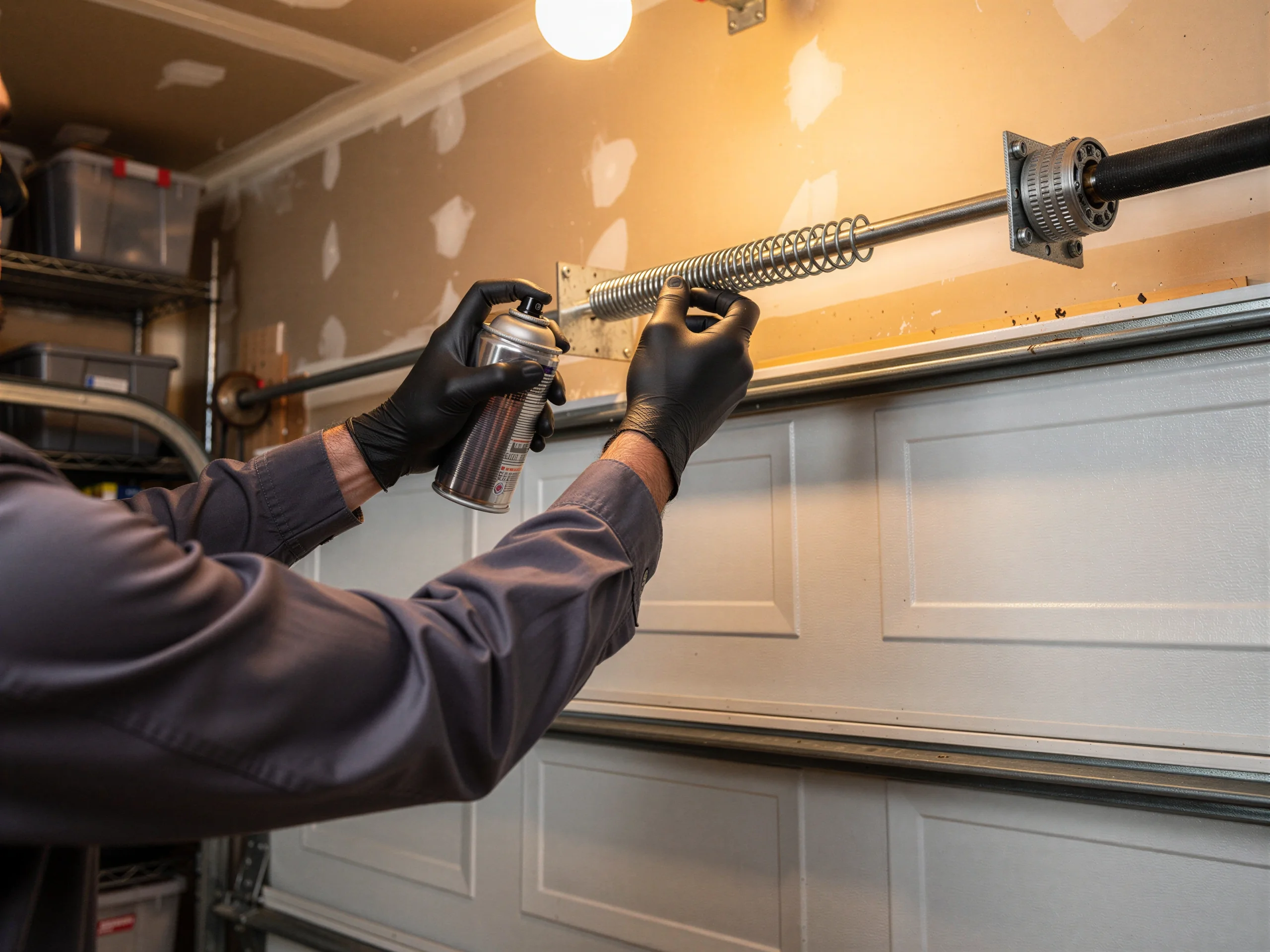
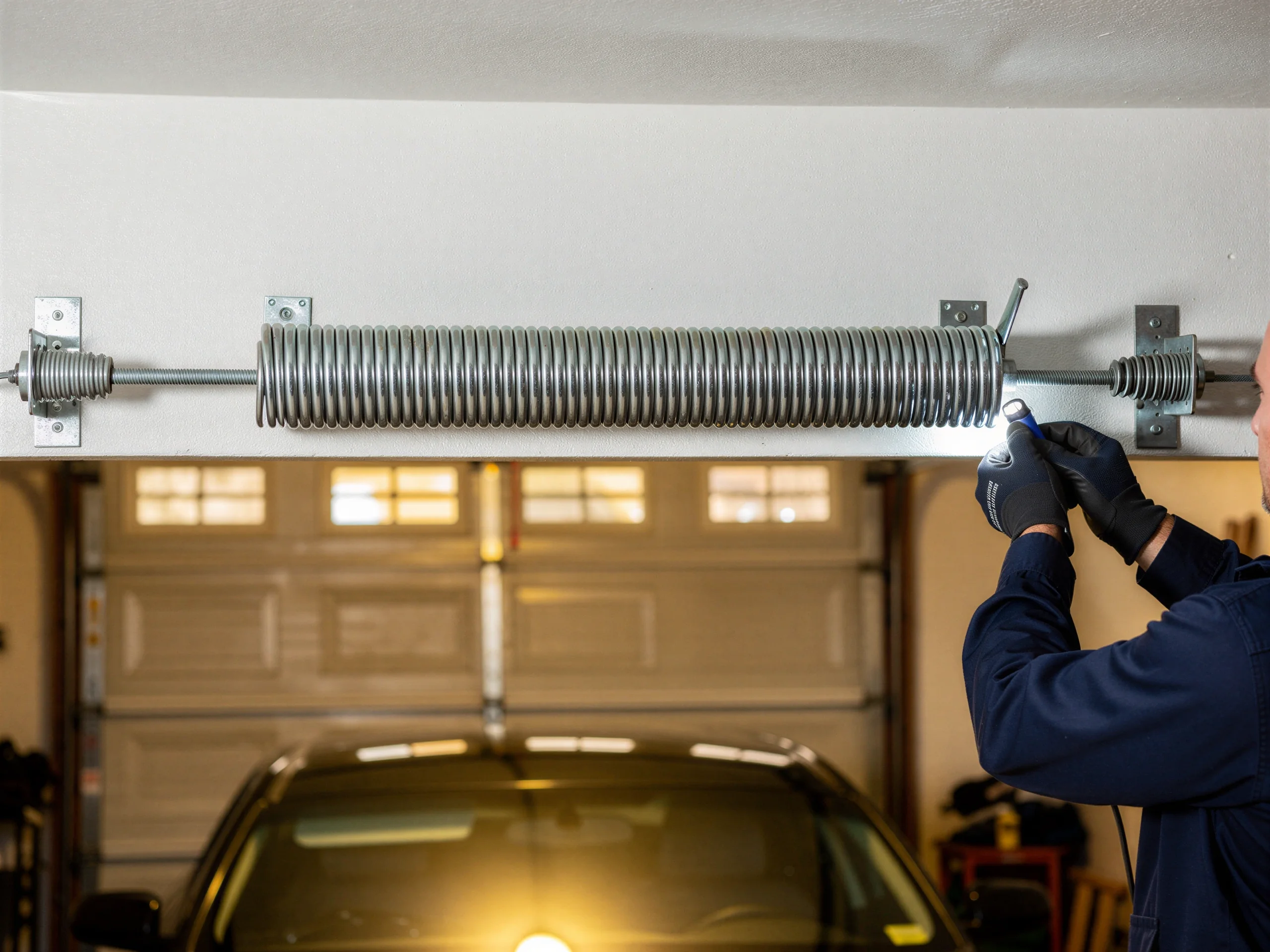
That's a spring problem, and it's almost always tied to the house itself. Median year built here is 1960, which puts a lot of this town's garages on original or first-replacement torsion hardware - thirty-plus-year-old springs carrying a steel door that was never light to begin with.
Worn drum and shaft
What goes sideways is the fix nobody budgeted for. Pull a cracked spring off a 1960-era bracket and you often find the drum or the shaft has worn past matching tolerance, so a "quick spring swap" turns into a bracket and shaft job mid-visit.
Possibility quoted upfront
We see this pattern often enough in this age of housing stock that we quote it as a possibility up front rather than surprise you on site. It's not a Madison Heights-specific defect - it's just what sixty-plus years of use does to the same two springs and the same shaft.
The DIY Question
If your door is sagging on one side or the cable has jumped the drum, that's not a weekend project - torsion springs store enough force to break a hand or worse, and on hardware this old the mounting bolts may not be torqued to anything close to current practice. Leave springs, cables, and torsion bar work to a call.
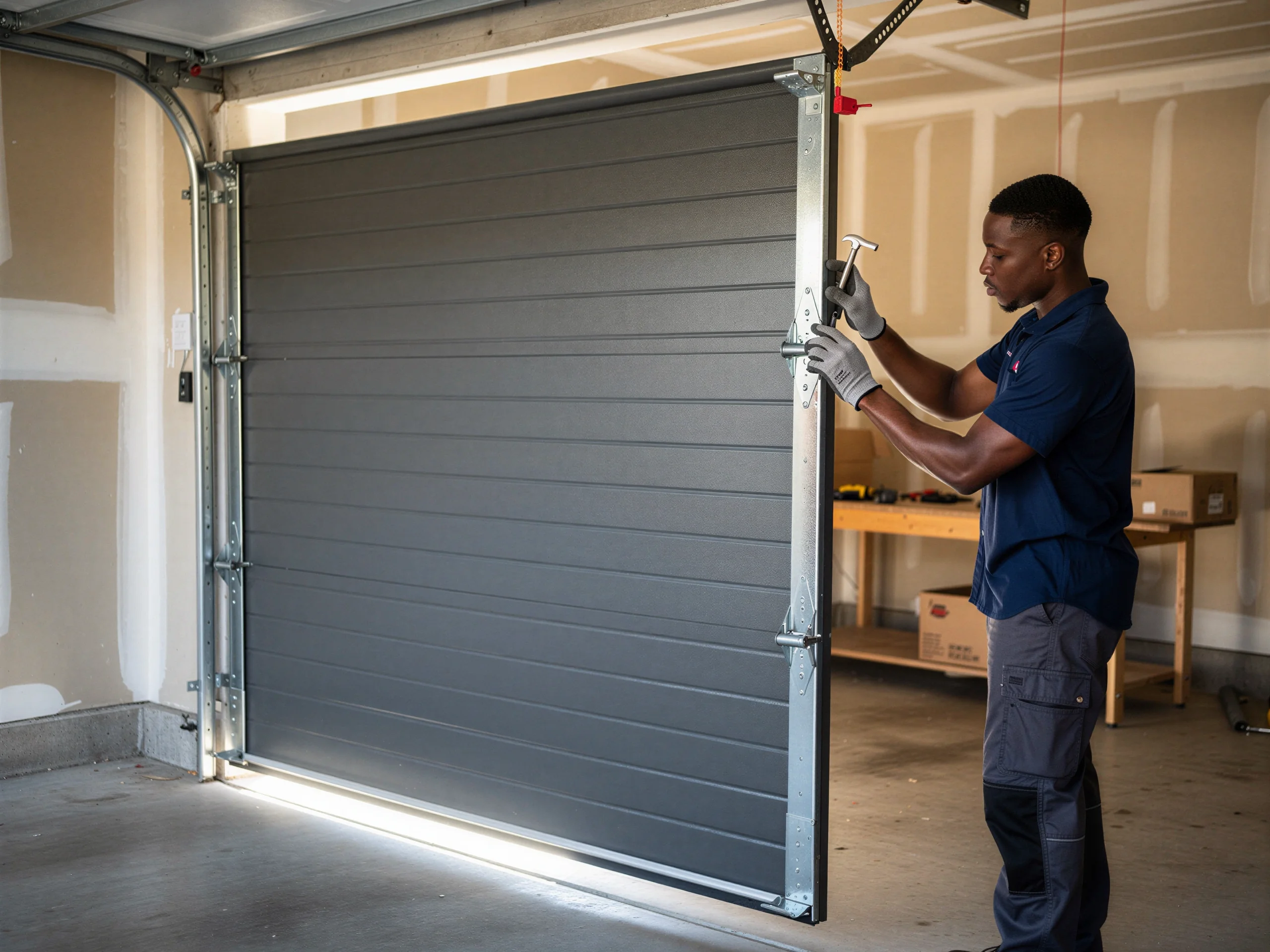
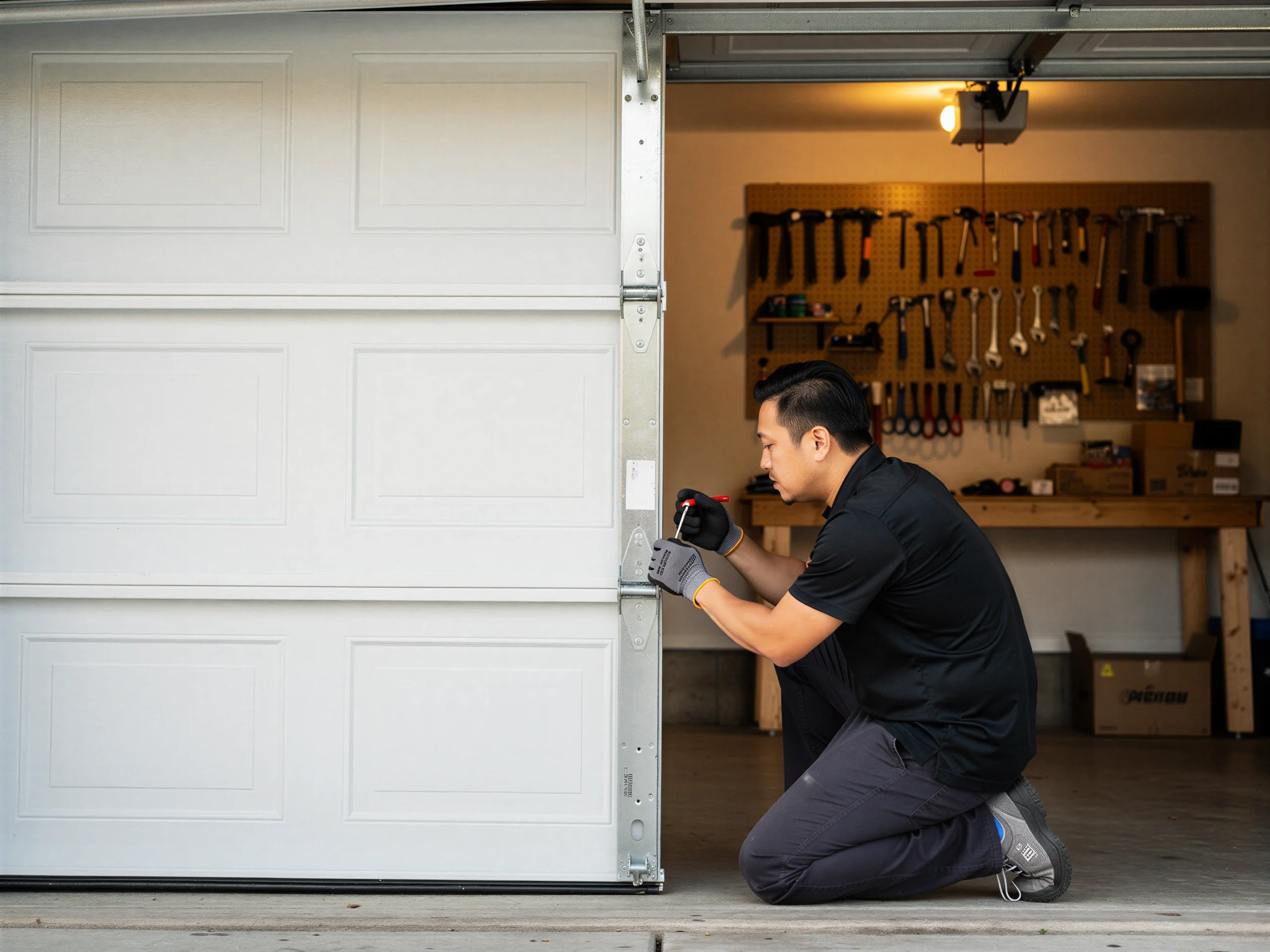
What you can safely check yourself: the track for bent spots, the rollers for cracking or flat-siding, and whether the door is binding against the frame only on one side. On a house from the 1960 era, a binding door is often the frame settling, not the opener - tightening the track bolts evenly sometimes buys you real time before any parts need replacing. If tightening doesn't fix a lean or a grind, that's the point to stop and call rather than keep adjusting.
How Long It Takes
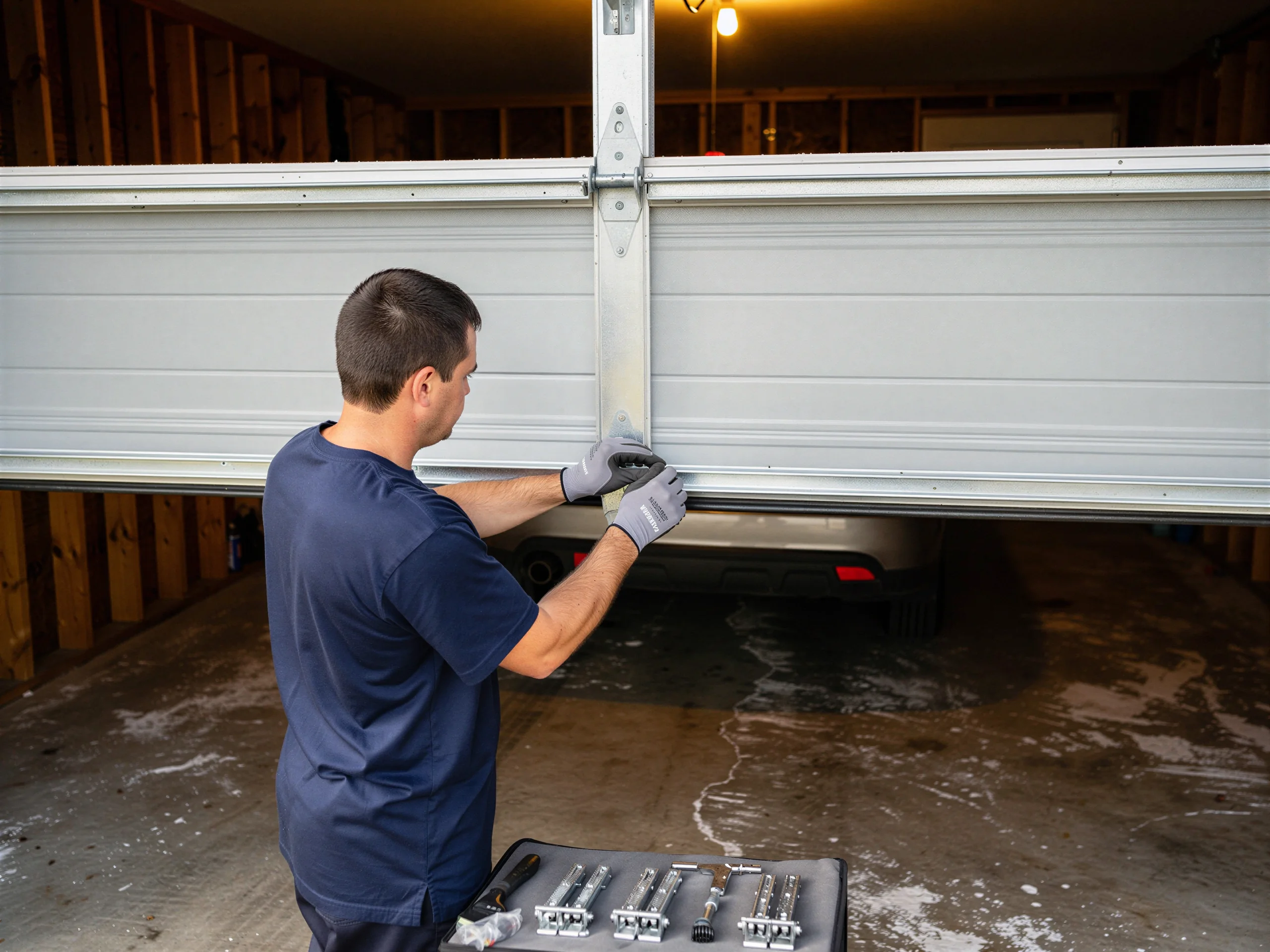
We don't run a branch in Madison Heights - we come from Royal Oak, about three miles out, so travel isn't the long part of the visit. The long part, when it happens, is sourcing. A standard torsion spring or a roller set is a same-visit job. A bracket, shaft, or drum replacement on older hardware sometimes means a short parts wait, because that gauge of hardware isn't what every supplier stocks off the shelf anymore.
We'll tell you on site which kind of job it is once we've had the door open and the spring off. We'd rather give you a real number after a look than a guess over the phone that we have to walk back later.
How to Book
Tell us what the door is doing - grinding, sagging on one side, opener running but door not moving - and we'll bring the right spring stock and tools for 1960s-era torsion hardware rather than showing up and discovering we need a second trip.
Coverage check page
See our service area page for Madison Heights for coverage details, or check the Royal Oak repair page for the full list of what we fix.
Direct crew dispatch
We book the visit, confirm the address, and head out from Royal Oak. No dispatch center, no call center routing - the same crew that answers is the one driving over.
What You Are Seeing
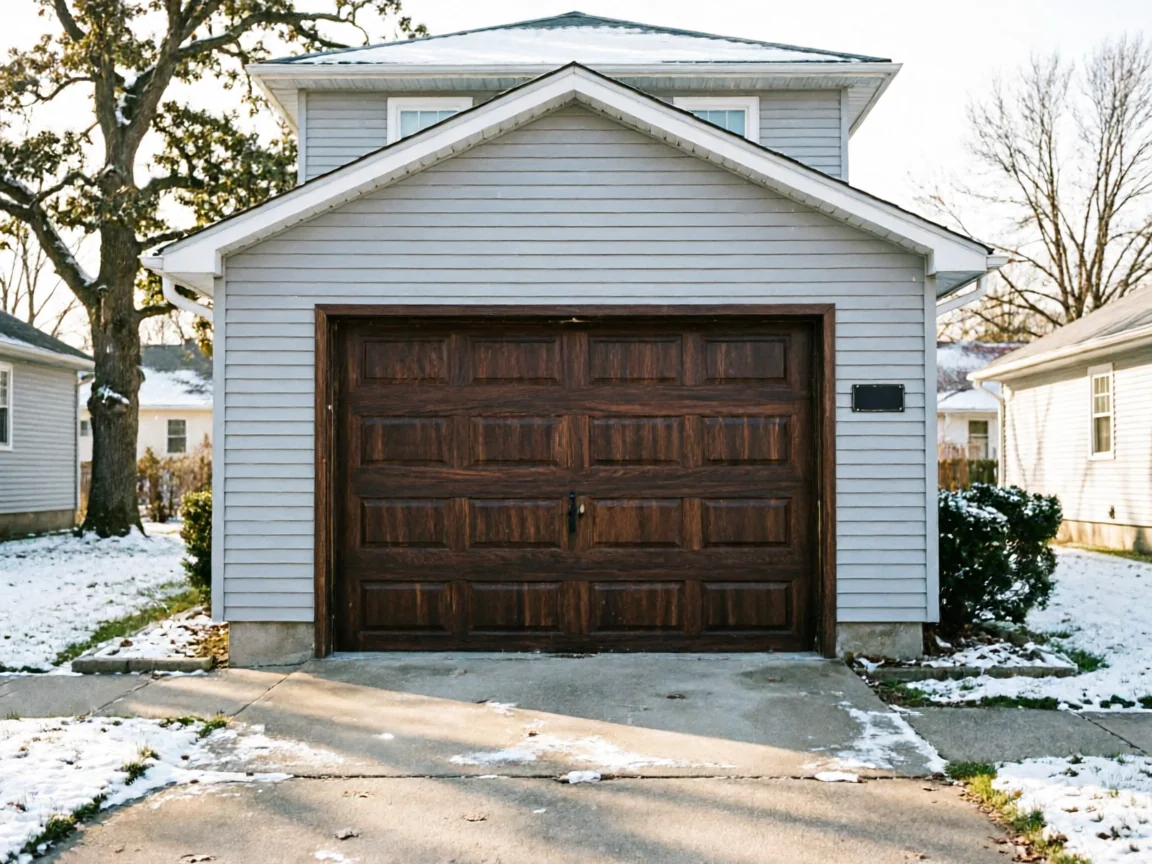
Madison Heights has 13,685 households, a smaller base than some of the suburbs around it, and that size shows up in the housing stock itself: a lot of single-garage and narrow two-car setups built to one era's standard rather than a mix of decades. With median household income at $66,726, we see plenty of repair-over-replace calls here - fixing the spring and the roller set rather than swapping the whole door, when the door itself is still sound.
That's usually the right call on a 1960-era door with a steel panel that hasn't rusted through. Where it isn't the right call is when the track has warped from years of an unbalanced spring pulling it sideways - at that point you're paying for a new track anyway, and a full door swap stops making the repair look cheap by comparison. We'll say so if we see it, not just quote the smaller job.
Talk to a local pro
Garage door service in Royal Oak?
Same-day service with honest, upfront quotes.