Where This Job Goes Sideways
Madison Heights sits three miles from our shop in Royal Oak, and the housing stock here centers on 1960 - late enough that most garages are full two-car bays, early enough that a lot of them still run on the extension springs and galvanized track that came standard back then.
Missing safety cables
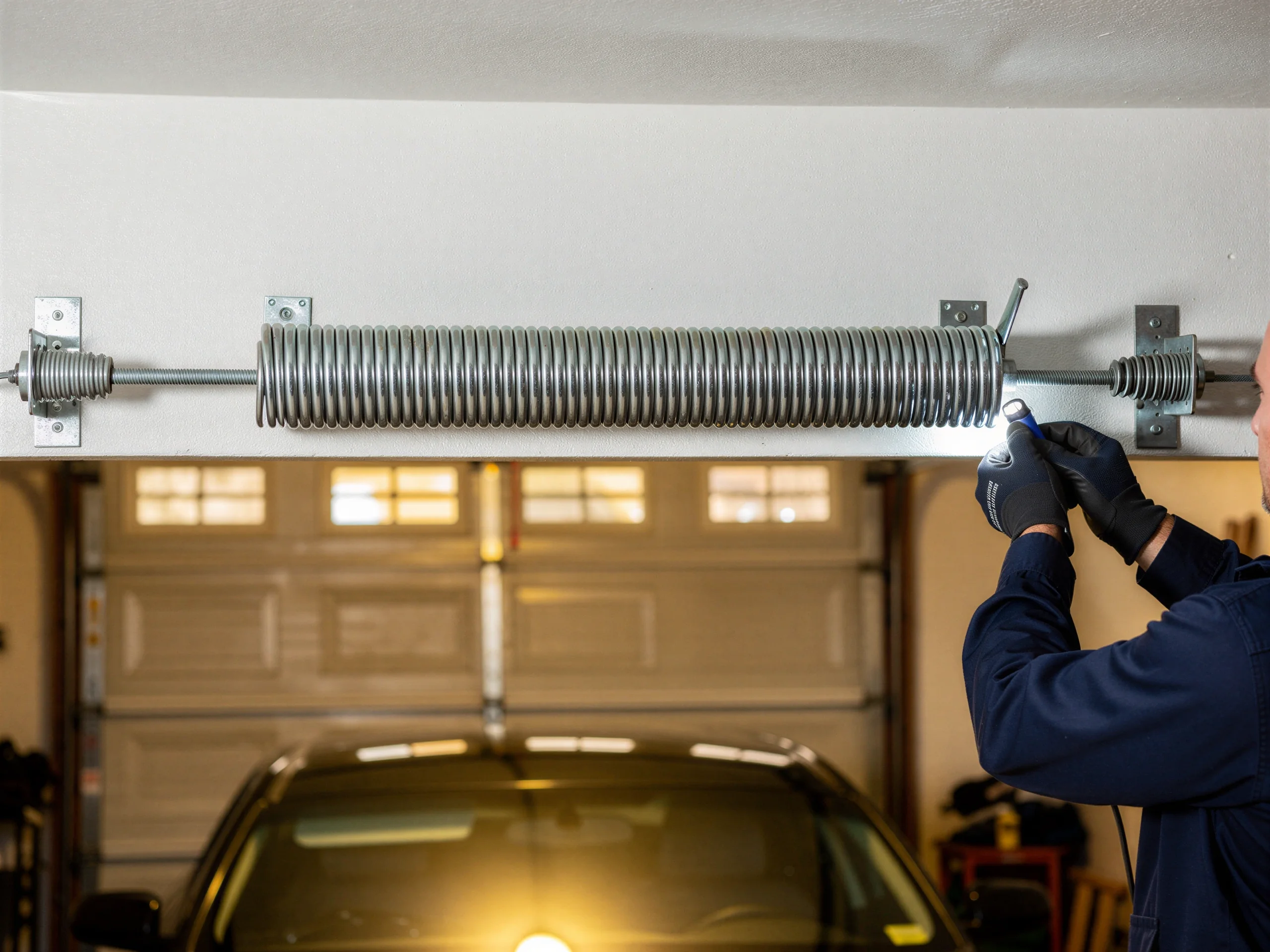
The trouble spot is the safety cable. Doors built or retrofitted before cable requirements became routine often have bare extension springs stretched over the horizontal track with nothing to catch them if a spring snaps.
Safety-first repair calls
We see that setup a lot in this part of the service area, and it's the single most common fix-it-before-it-hurts-someone call we get out here. The other pattern tied to the 1960 build year is opener age.
Photo-eye alignment after swaps
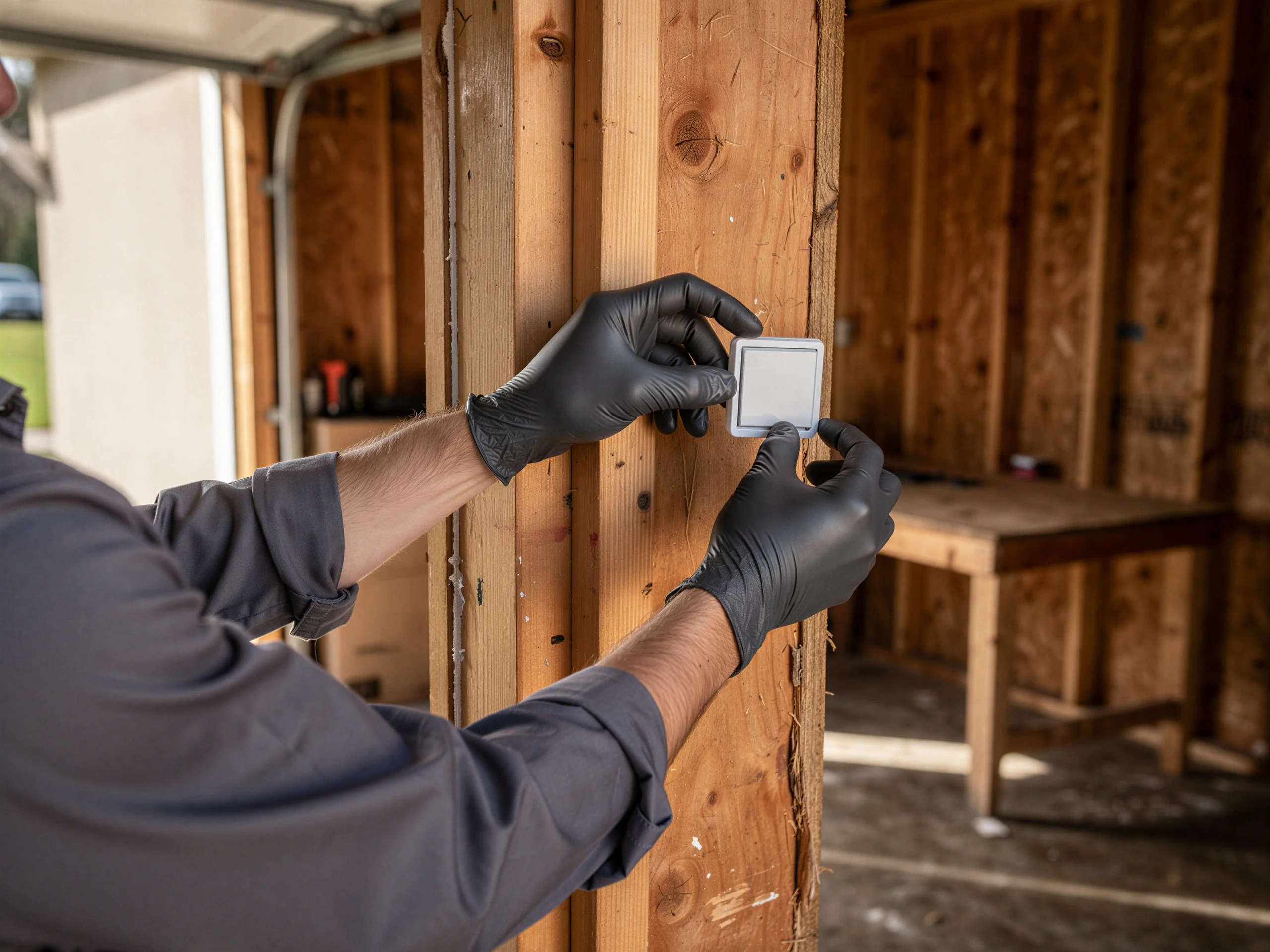
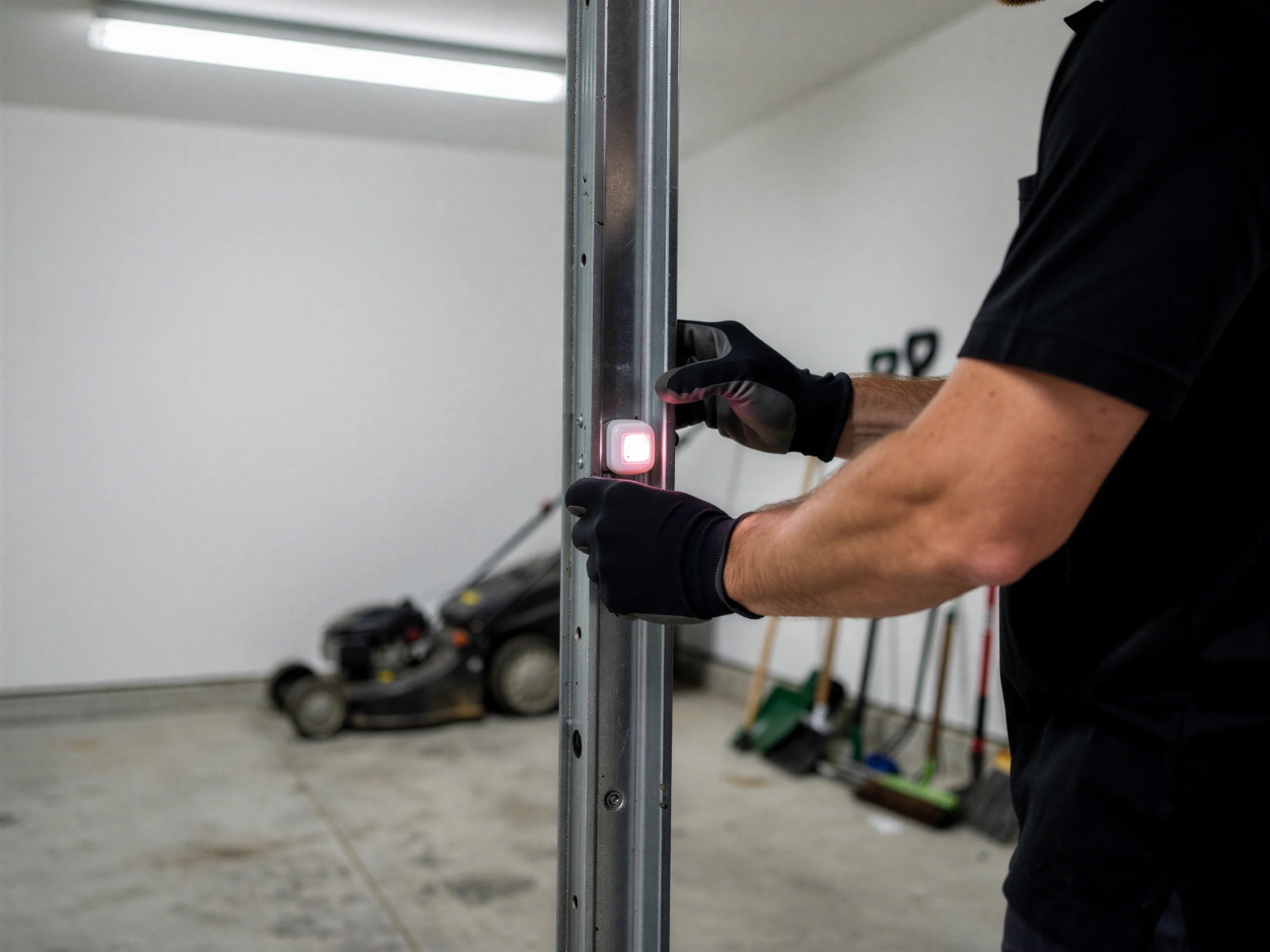
A house that old has usually had two or three openers over its life, and whichever one is in there now may or may not have modern auto-reverse photo-eyes wired in correctly. Cold-climate swings crack old eye brackets and misalign the beam, which is a separate problem from the springs but shows up on the same visit more often than you'd think.
The DIY Question
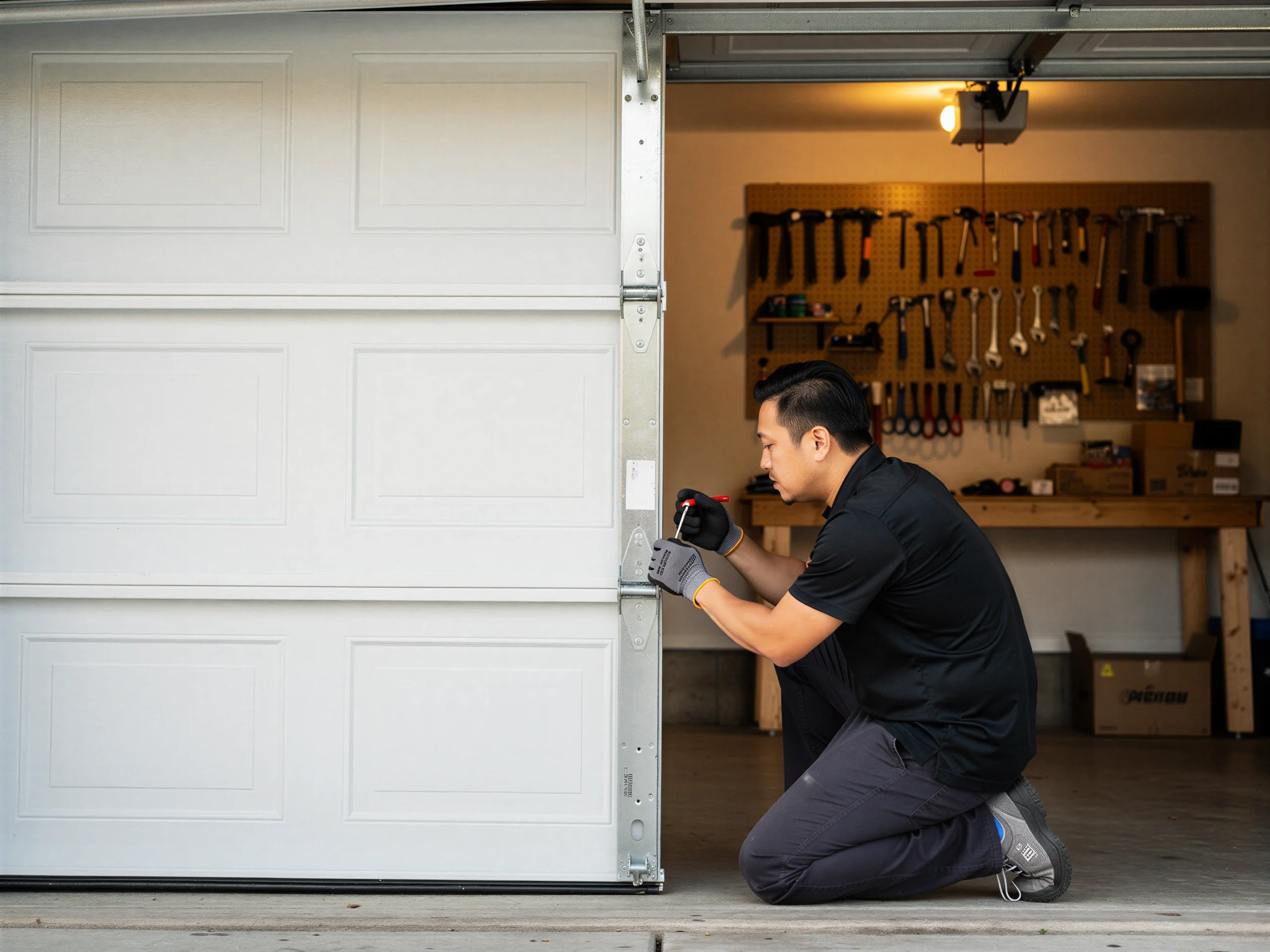
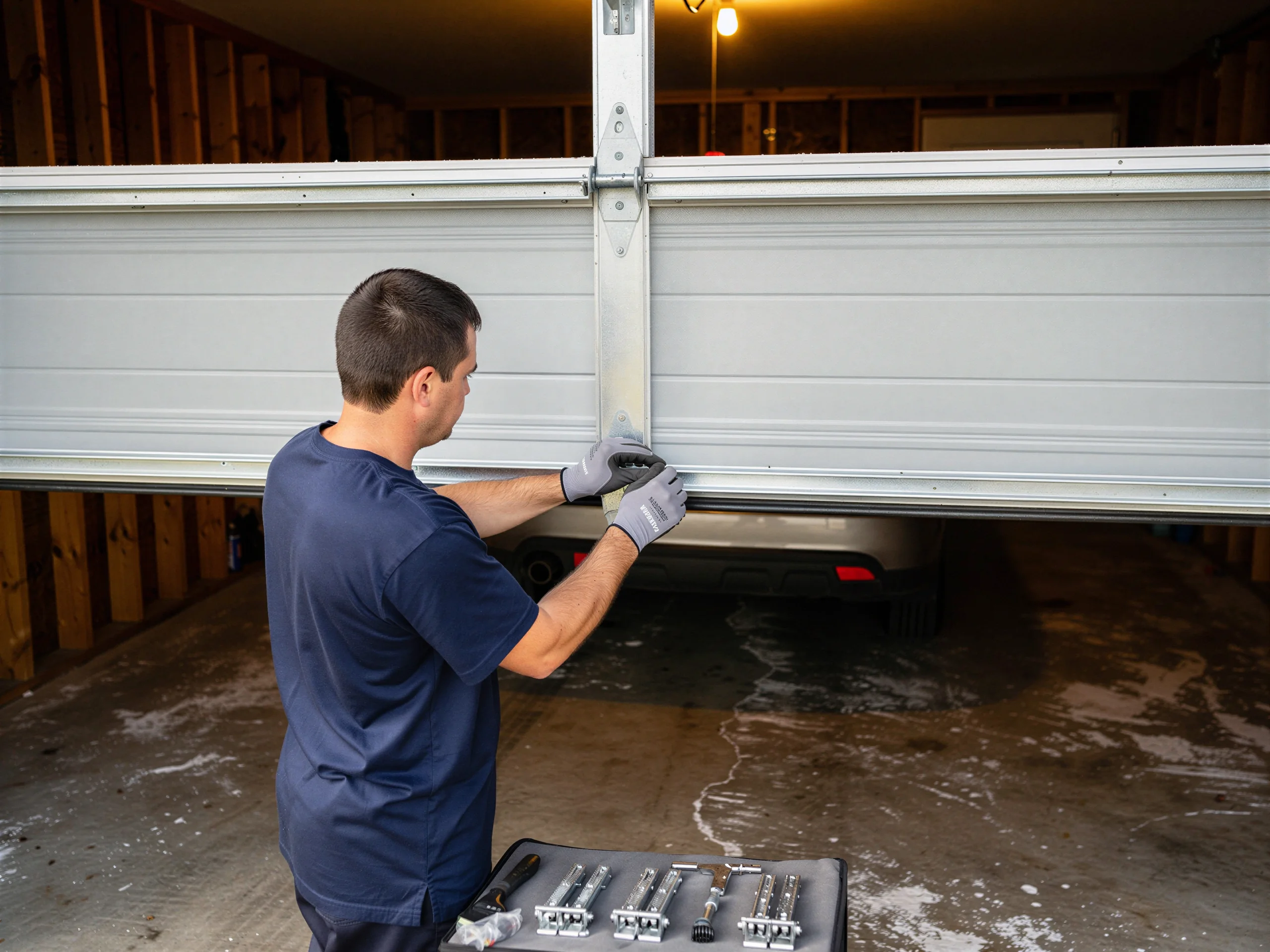
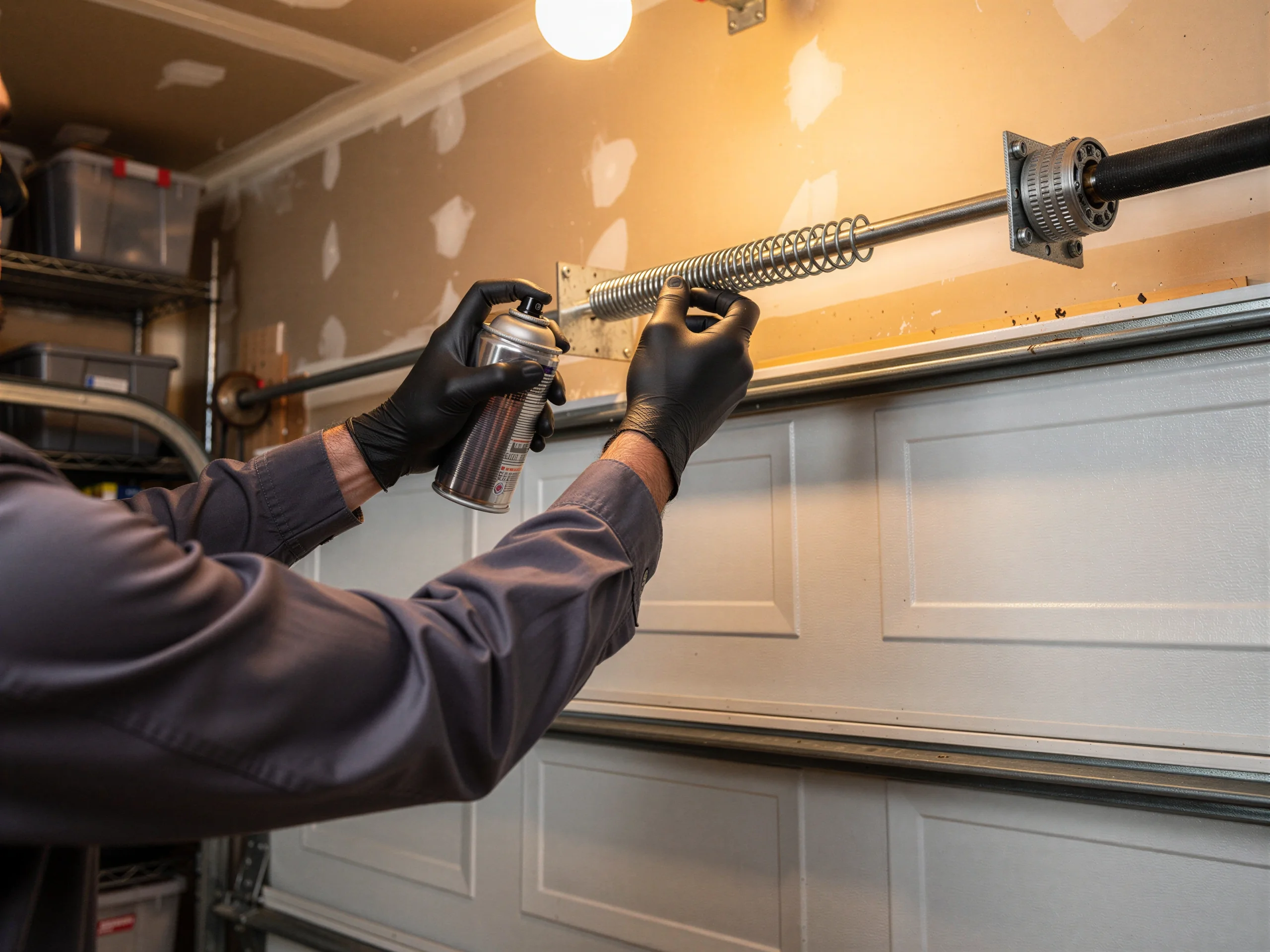
You can do real maintenance yourself without touching the springs. Wipe down and lubricate the rollers and hinges, check that the track bolts are snug, and watch how the door moves through a full cycle - any hesitation, grinding, or lean to one side is worth noting before it gets worse.
Spring-off-limits rule
None of that requires tools beyond a wrench and a can of the right lubricant. What you should not do on a house from this era is touch the spring.
Extension spring injury risk
Extension springs under tension have put people in the hospital, and on a 1960-vintage door without a safety cable, there's nothing between that spring and whoever's standing nearby if it lets go.
Torsion bar same rule
Same goes for the torsion bar if the door's been upgraded at some point - different hardware, same rule. If the door won't open, won't stay open, or makes a bang when it closes, that's a call, not a weekend project.
How Long It Takes
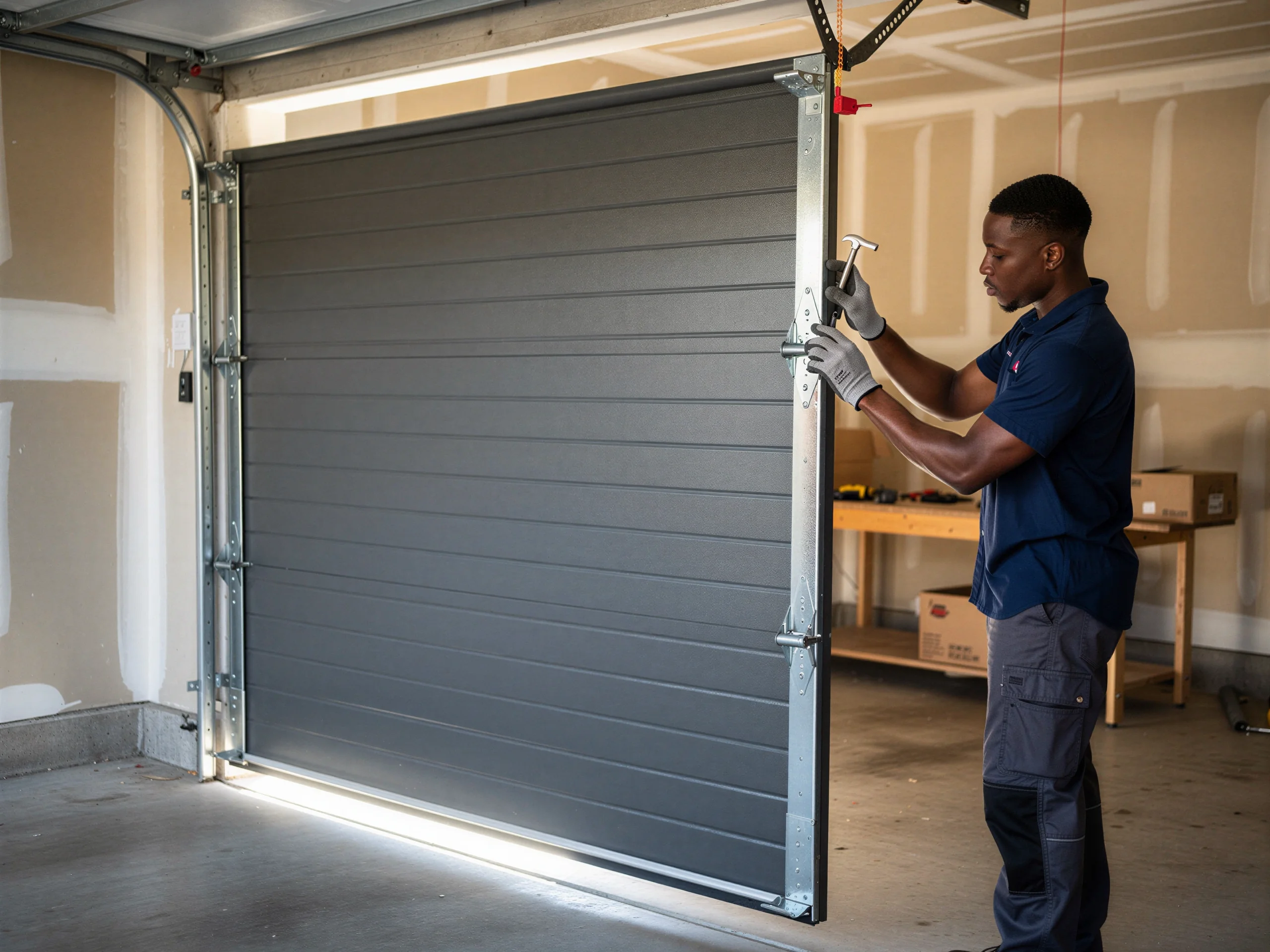
A standard maintenance visit - lubrication, hardware check, balance test, opener inspection - runs on the shorter end of our schedule. Add time if the visit turns up a cracked panel seam or a roller that's worn its track groove, which happens more often on doors that have been running since the 1960s without much attention in between.
Discovery drives duration
We're coming from Royal Oak, three miles away, so travel isn't the variable that stretches a job here; what stretches it is what we find once the door's open.
Uncommon part availability
One honest limit: if a part needs replacing and it's an odd extension spring size or a discontinued hinge pattern from an older door, we may not have it on the truck.
Possible return visit
That means a return trip instead of a one-visit fix. It doesn't happen on every call, but it happens enough on houses this age that we'd rather tell you up front than surprise you.
How to Book
We service Madison Heights from our Royal Oak location, three miles away, as part of the wider coverage area. If you want to see which other suburbs we reach and how maintenance is handled from the main shop, the Royal Oak maintenance page covers the service in general. For details specific to this suburb, including coverage notes, check the Madison Heights service area page.
Booking is straightforward: tell us the age of the house if you know it, describe what the door's doing - slow, noisy, uneven, won't reverse - and we'll bring the right stock for a 1960s-era setup rather than guessing on site. That's the main thing age tells us before we even arrive: whether to expect extension springs or torsion, and whether the opener wiring is original or already been swapped once.
What You Are Seeing
On a house built around 1960, the symptoms we hear about most are a door that sags at one corner, rollers that have worn a groove into the track and rattle going up, and springs that look stretched or discolored compared to a new one. All three trace back to decades of cycles on hardware that was never meant to be maintenance-free forever.
Cold weather makes it worse. Severe winter swings in this climate band stiffen old lubricant, shrink metal fractionally on the coldest mornings, and that's usually when a marginal roller or a tired spring finally gives out - not in July, but on the first real cold snap. If your door's been fine all summer and suddenly groans or sticks once the temperature drops, that's not a new problem, it's an old one finally showing itself. Catching it before the drop is cheaper than catching it after.
Talk to a local pro
Garage door service in Royal Oak?
Same-day service with honest, upfront quotes.