Where This Job Goes Sideways
Madison Heights has about 13,685 households, which is enough volume that we see the full range of opener problems a town this size generates - not just dead remotes, but openers that have been replaced once already by a previous owner and wired into a door they were never matched to.
Stacked opener retrofits
The median house here went up around 1960, so a lot of these garages started with a chain-drive unit from decades back, got a second or third opener bolted onto the same old rail, and now have a logic board that's fighting hardware it doesn't talk to cleanly.
Misdiagnosed closing faults
That mismatch is where this job goes sideways: a tech shows up for 'the opener won't close,' and the real issue is a sensor bracket bent from one of those swaps, or a circuit board rated for a lighter door than what's hanging on the track now.
Coldest-morning gear failures
The cold winters this area gets don't help - stiff grease and frozen rail sections make a marginal gear set fail outright on the coldest mornings, which is usually when you first notice it.
The DIY Question
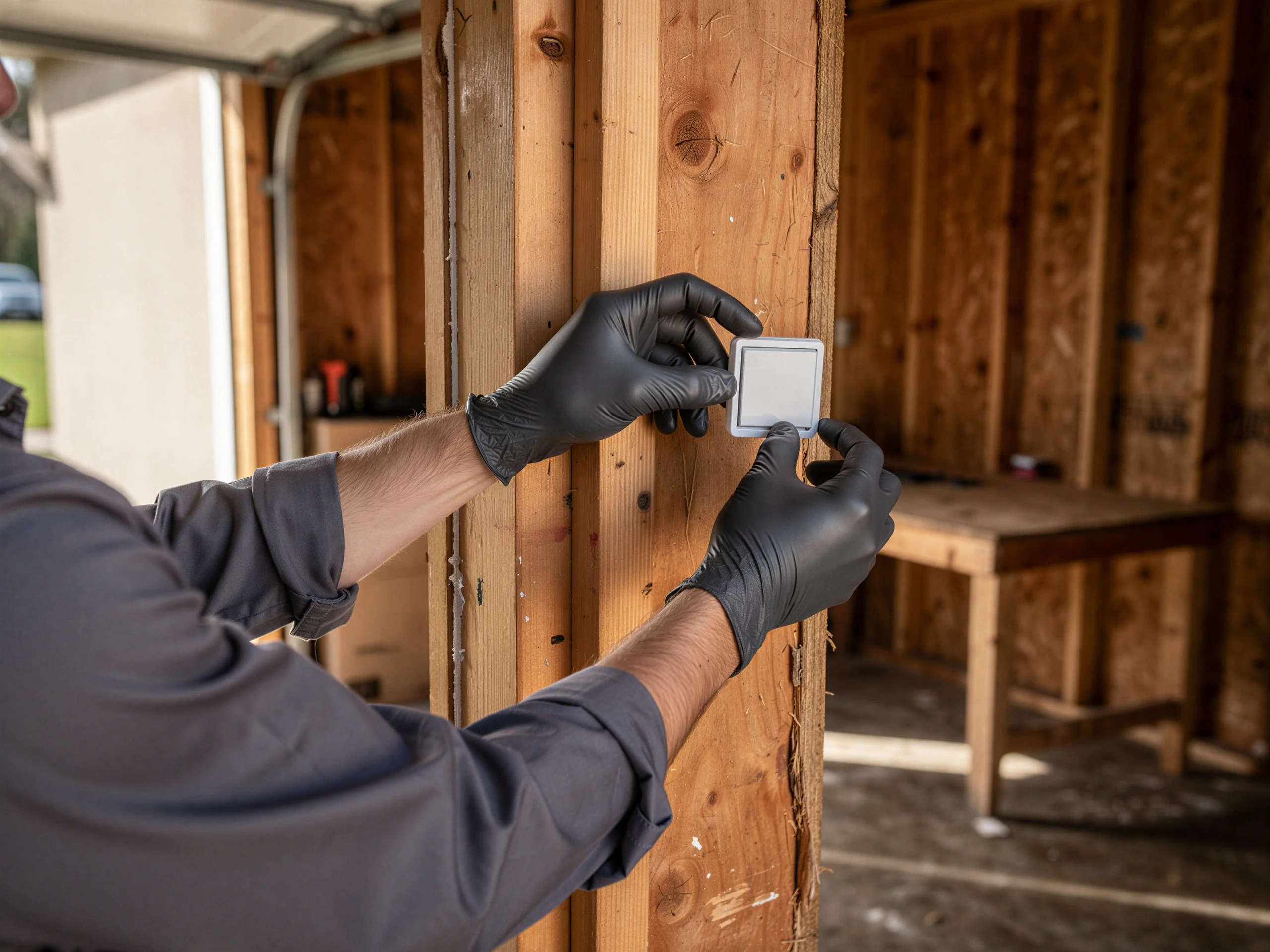
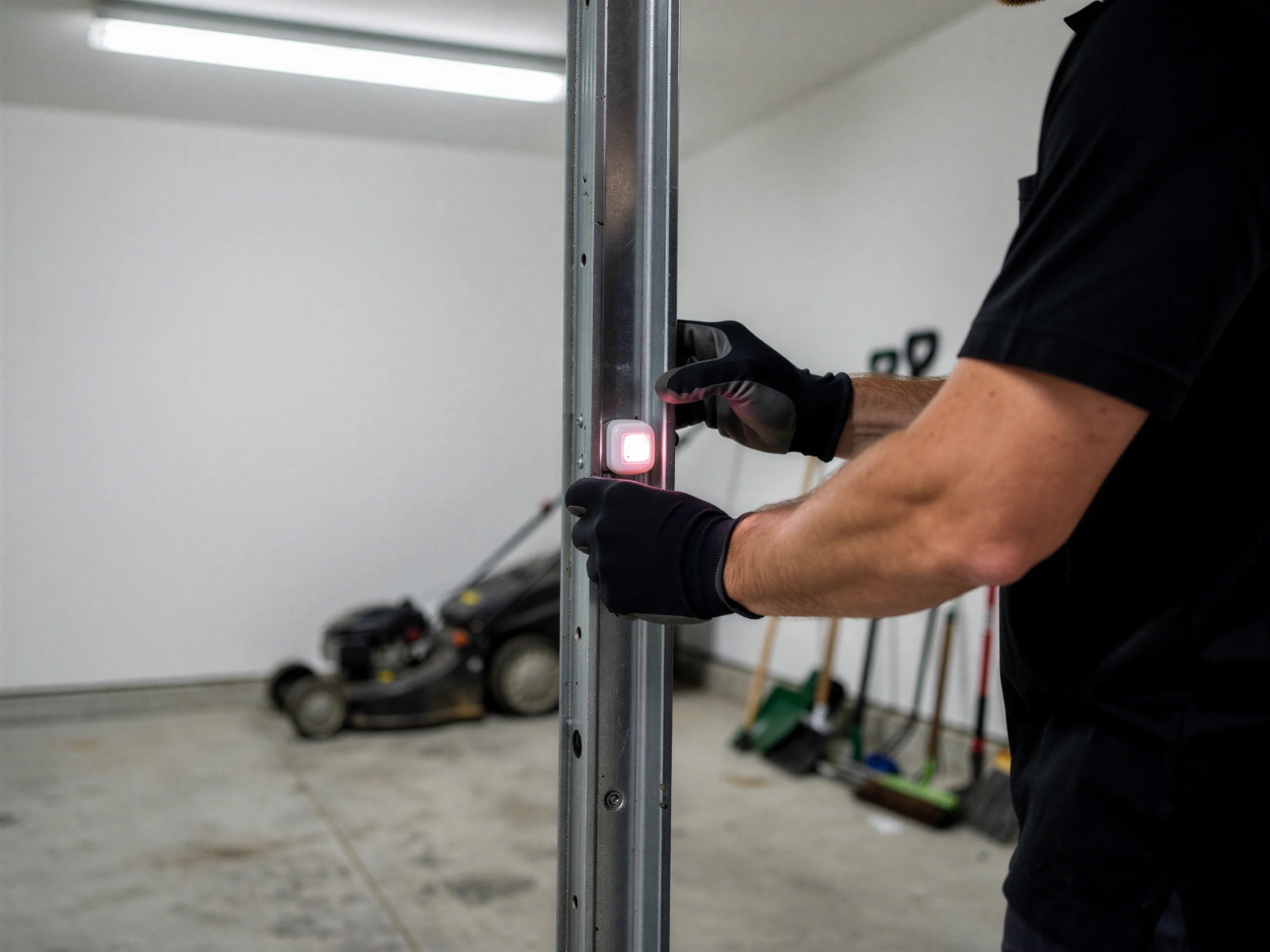
Some of this you can handle yourself. Reprogramming a remote, replacing the wall button, checking that the safety sensors are lined up and the lenses are clean - those are reasonable weekend jobs. Where we'd tell you to stop: the logic board itself, the drive gear inside the opener housing, and anything that involves the high-voltage side of the unit. If your opener is original to a house built close to that median 1960 date, parts for it may not exist anymore, and a repair attempt can turn into a wasted afternoon before you call anyway. Our honest limitation here: if the opener is old enough that the manufacturer no longer makes the board or gear kit, we're not going to pretend we can source it. At that point replacement is the real fix, not another repair.
How Long It Takes
The time a job takes in Madison Heights depends less on the fix itself and more on what's behind the wall panel. A sensor realignment or wall-switch swap is quick. A logic board replacement takes longer if the opener is an older model and the board has to be matched to an opener that's no longer in production - in those cases, a universal board sometimes works, sometimes doesn't, and that gets sorted on site. Houses built around 1960 often have openers that have already been through one replacement cycle, so we're frequently working with a newer motor on an older rail, which adds a step to confirm the travel limits and force settings are actually set for the door hanging on it, not just the opener's factory defaults.
How to Book
We run out of Royal Oak, three miles from Madison Heights, so getting a truck to your garage isn't a logistics problem - it's a short drive.
Opener or door diagnosis
Check our service area page to confirm coverage, or if you're not sure whether this is an opener issue versus a door or spring issue, our main opener repair page walks through the symptoms we handle most.
Details for the call
Have the opener's brand and the approximate age of the house on hand when you call - in a town where most openers have already been swapped once, that detail saves a lot of back-and-forth.
What You Are Seeing
The opener hums but the door doesn't move - usually a stripped gear or a disconnected trolley. The door reverses right after it starts closing - almost always the safety sensors, either misaligned or blocked, though on older installs it can be a worn limit switch. Lights on the opener blink a number of times and stop - that's a manufacturer fault code, and the count tells us what's wrong before we even open the housing. Remote works intermittently, wall button doesn't - that's wiring, not the remote. A chain-drive opener that's suddenly loud and jerky in cold weather is often just old grease seizing up, which is a cheap fix if caught early and an expensive one if the motor burns out compensating for it.
Talk to a local pro
Garage door service in Royal Oak?
Same-day service with honest, upfront quotes.