Where This Job Goes Sideways
A lot of garages in Madison Heights date to right around 1960, which puts them square in the middle of the postwar building boom that shaped this whole corner of Oakland County.
Original narrow openings
The doors that went up with those houses were almost always single-layer steel or wood-panel, sized for the narrower openings builders used then - often a touch under the 16-foot double-car width you'd spec today, or a single 8 or 9-footer on the smaller lots. No insulation core, thin steel skin, track hardware sized for a lighter door than anything on the market now.
Straight swap pitfalls
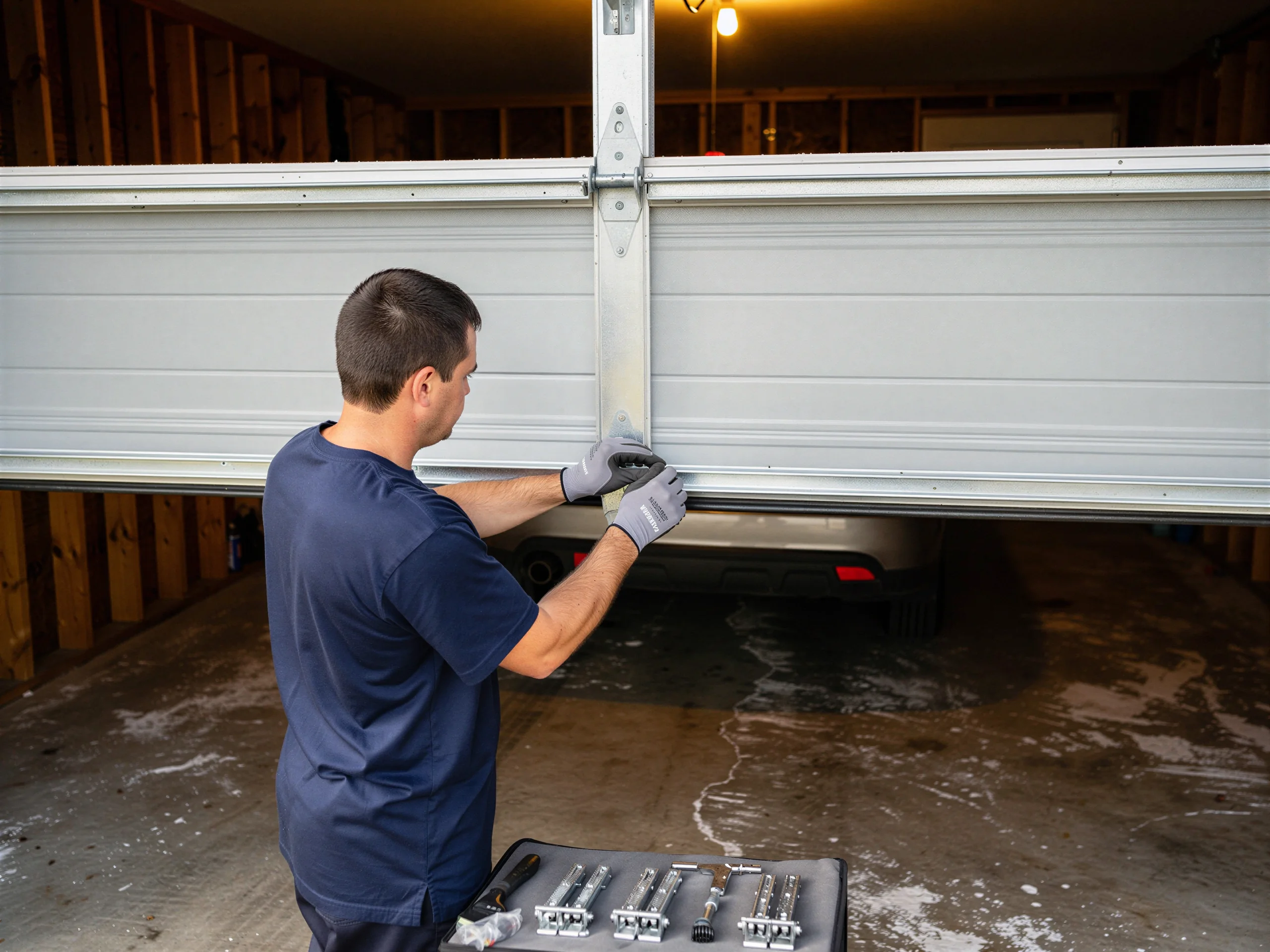
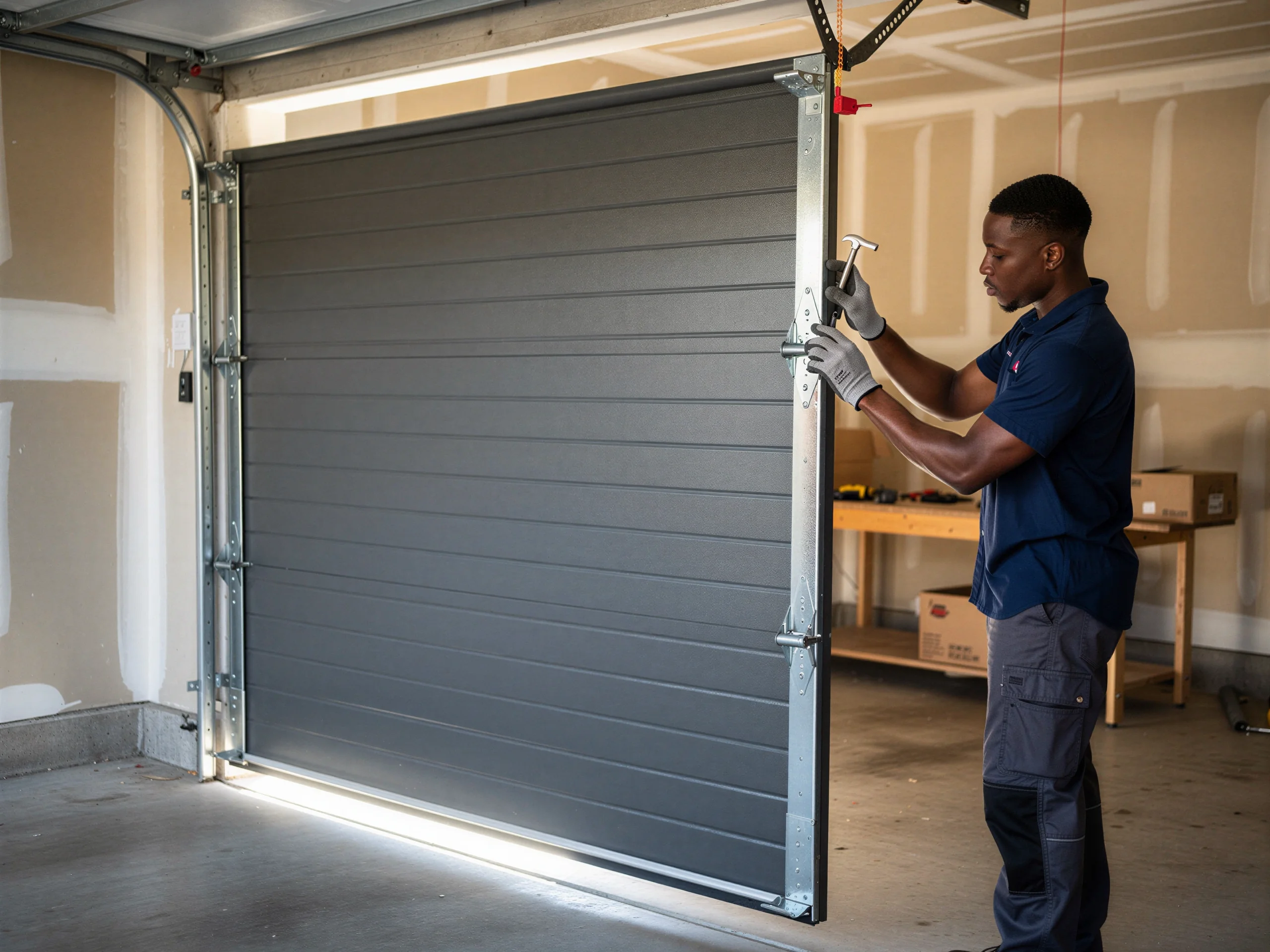
That's where the trouble starts when a homeowner calls for a straight swap. The opening itself is often slightly out of square after sixty-plus years of settling, the jambs aren't always plumb, and the header framing wasn't built with a modern insulated door's weight in mind. We've pulled old doors here and found the track bolted straight into framing that needs sistering before a new door can hang right.
Hidden opening surprises
You don't always know until the old door's off the hinges. This is a cold-climate market - real winters, real temperature swings - so a straight material swap without addressing the opening just moves the same problem to a heavier, better-sealed door that still rattles in its frame. Get the opening right first.
The DIY Question
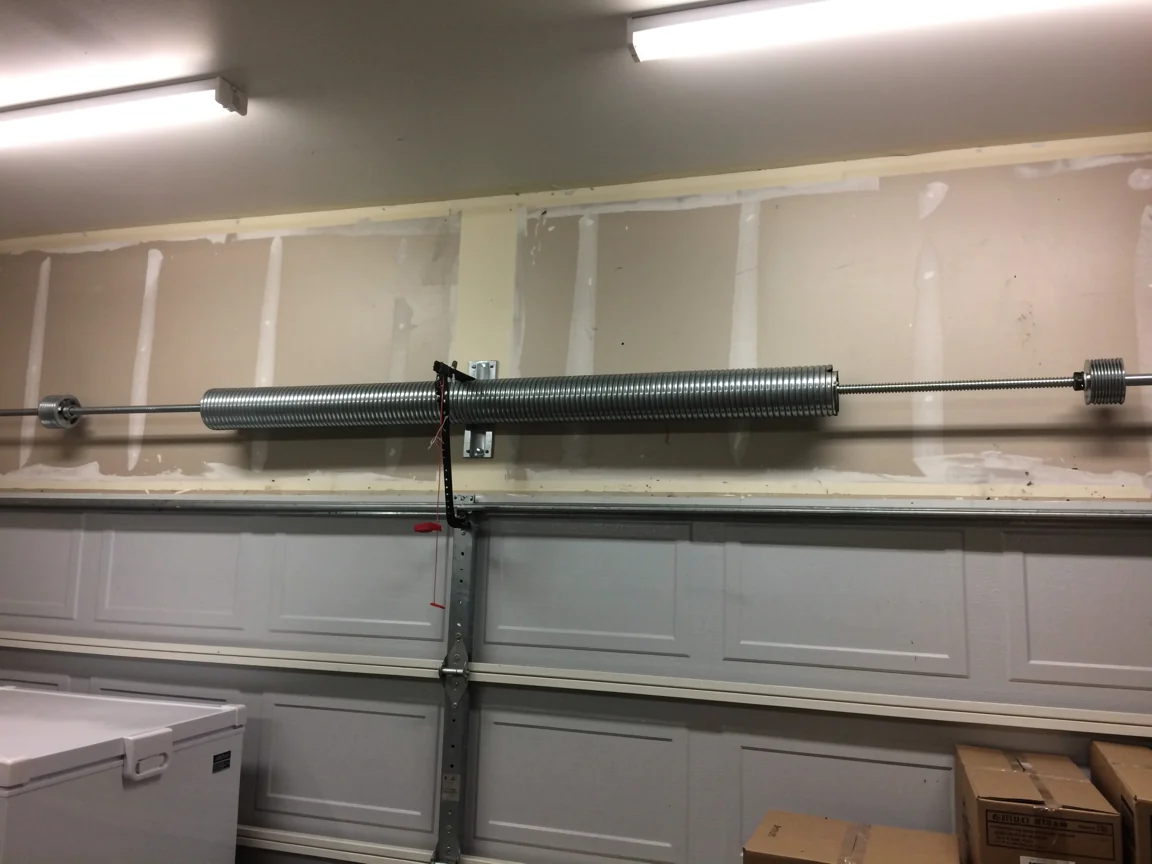
Swapping a garage door yourself is possible if the opening is square, the track is in good shape, and you're installing a door close in weight to what came off.
Framing damage signs
That's not the usual case in a neighborhood where most houses were built around 1960. An out-of-square jamb, a header that's shifted a quarter-inch over sixty years, or old lag bolts stripped out of softened framing - any of these turn a weekend project into a door that binds, won't seal, or comes off the track within a season.
Homeowner prep work
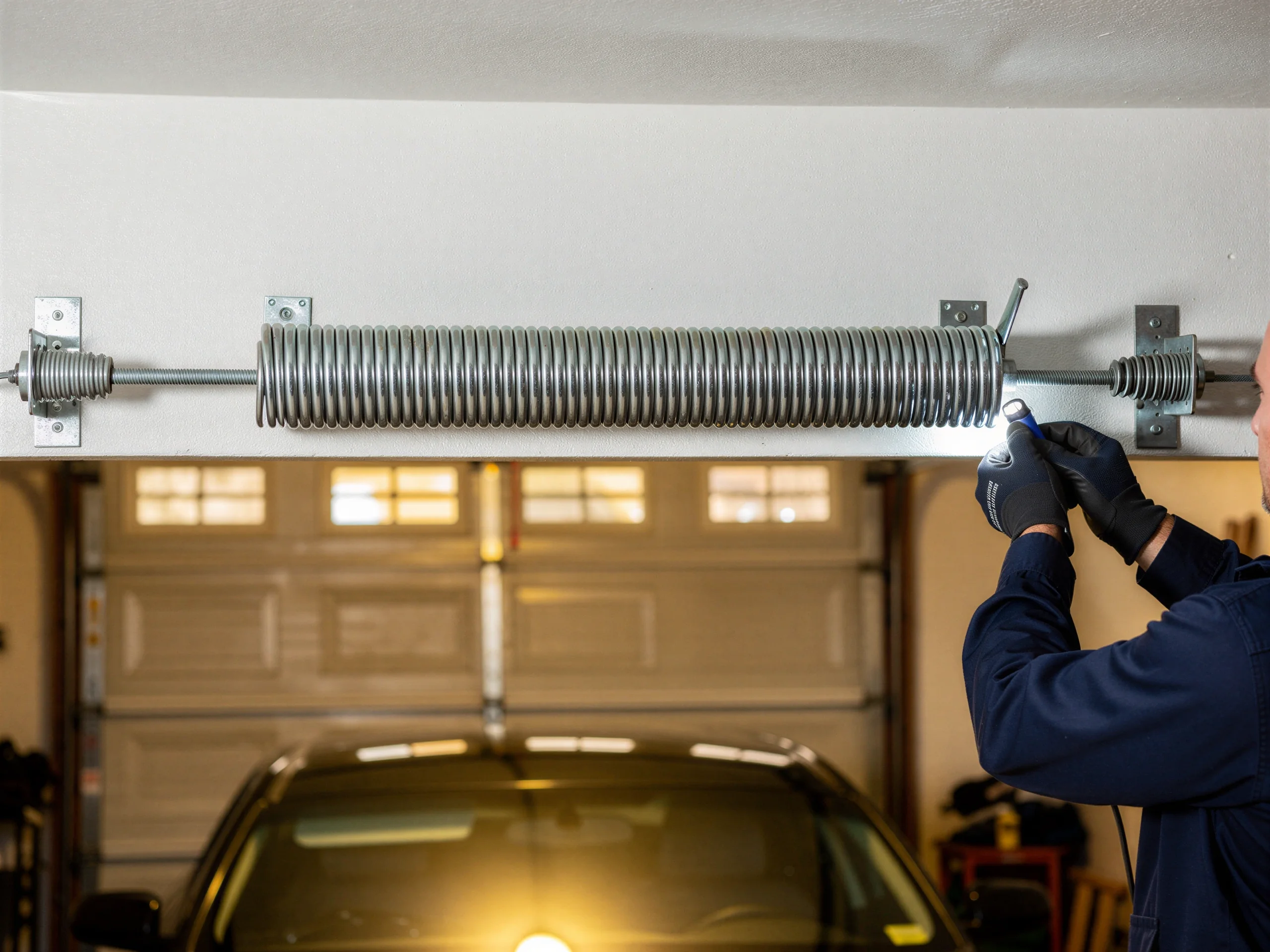
The part we won't talk you out of: measuring your own opening, pricing panel styles, and deciding on insulation level before we ever show up. That's homeowner work and you should do it. Where we draw the line is the install itself, especially spring tensioning on anything heavier than the old door you're replacing - that's not a corner to cut.
Carpentry handled separately
Honest limitation: we don't do framing or structural carpentry. If your header or jamb needs rebuilding before a door can hang square, that's a call to a carpenter first, us second. We'll tell you straight if that's what we're looking at rather than forcing a door onto an opening that isn't ready for it.
How Long It Takes
A standard replacement on an opening that's still square - new door, same size, no framing work - usually goes in over the course of a single visit.
Upgrade time impact
Add in a track upgrade or opener swap and it runs longer, but still same-day in most cases. Where the timeline moves is the framing problem described above: if the header or jamb needs shoring up first, that's a separate step before the door itself ever goes in, and it adds a visit.
Shop-to-site drive time
We come from our shop in Royal Oak, about 3 miles out, so there's no depot or branch sitting in Madison Heights itself - just a short drive to get the truck to your garage.
Winter scheduling delays
That distance doesn't change the install time once we're there, but it's worth knowing when you're scheduling, especially around a Michigan winter when icy driveways and short daylight can push a job later in the day than you'd planned.
How to Book
Call or request a quote and tell us the age of the house if you know it - for a lot of Madison Heights addresses that puts us in the 1960 build era right away, which tells us a lot about what we'll find on the opening before we even get there.
Current door sizing details
If you can give us the rough size of the current door (single or double, 7-foot or 8-foot header), that helps us bring the right hardware on the first trip instead of a second one.
Walkthrough before work
We'll walk the opening, check square and the condition of the jamb and header, and talk through door material and insulation options that make sense for this climate before any work starts.
Coverage and install pages
See our Madison Heights service area page for coverage details, or the Royal Oak installation page for the full rundown of how we handle installs out of our shop.
What You Are Seeing
If your door is original or close to it, look for a thin steel skin with no visible foam backing when you lift it, rollers that have gone from steel to a cracked nylon, and a bottom seal that's hardened and no longer makes contact with the slab. On a house from the 1960 era, it's also common to find the track mounted slightly crooked relative to the opening - not enough to notice day to day, but enough that a new, heavier insulated door will bind against it.
Watch for daylight around the top corners when the door's closed; on an opening that's shifted over sixty years, that gap is often wider on one side than the other, which is a framing tell, not a weatherstripping problem. And if the door sags visibly in the middle when raised halfway, the panel itself has fatigued - at that point you're looking at replacement, not repair, regardless of what the springs and track are doing.
Talk to a local pro
Garage door service in Royal Oak?
Same-day service with honest, upfront quotes.